How Yoga Helps You Breathe Better and Relax Your Mind explores targeted strategies for recovery. Discover new paths to mobility, healing, and personalized care.

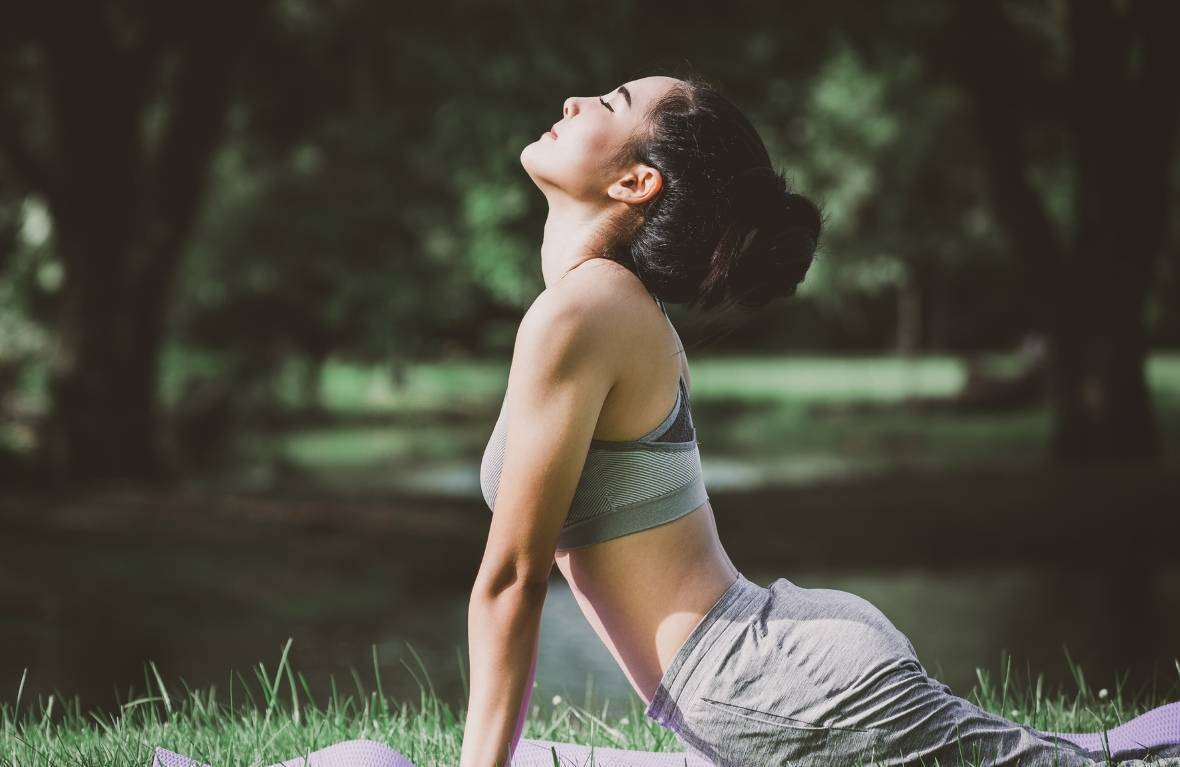
At YourFormsUX, we often say that yoga isnt just about moving your bodyit’s also about deepening your breath and quieting your mind. And when it comes to true wellness, those two elements are just as important as physical strength or flexibility.
Breath is the bridge between body and mind. Yoga gives us tools to explore and refine our breathing, leading to better physical health, calmer thoughts, and emotional resilience. If you’re looking for a natural way to breathe deeper and feel more at peace, yoga is one of the most effective paths.
The BreathMindBody Connection
We breathe all day without thinking. But how often do we breathe well?
Most people fall into shallow, chest-based breathing, especially when under stress. This kind of breathing:
Limits oxygen intake
Keeps the body in a state of mild tension
Fuels anxiety and poor posture
Yoga reverses that by training you to breathe deeply, rhythmically, and consciouslyprimarily through the diaphragm. This kind of breathing activates the parasympathetic nervous system, also known as the rest and digest state.
The result? A calm, clear, and centered state of being.
What Is Yogic Breathing (Pranayama)?
In yoga, breath control is called pranayama. It includes a variety of techniques designed to:
Expand lung capacity
Increase oxygen flow
Soothe the nervous system
Balance energy in the body
Some common pranayama practices include:
Ujjayi (Ocean Breath): A slow, audible breath that warms and relaxes the body. Often used during asana practice.
Nadi Shodhana (Alternate Nostril Breathing): A balancing breath used to calm the mind and bring emotional stability.
Belly Breathing (Diaphragmatic Breath): Simple yet powerful, it invites deep calm and releases chronic tension in the chest and abdomen.
Each breath pattern has its purpose, but they all share one thing: they train your mind to focus inward and stay present.
How Yoga Improves Breathing Function
Yoga enhances your breathing through both posture and breath control:
Posture Correction
Poor postureespecially rounded shoulders and collapsed chestrestricts the lungs. Yoga postures like Mountain Pose, Bridge, and Fish Pose open the chest and restore natural breathing mechanics.
Spinal Mobility
Breathing well requires spinal flexibility. Twists, backbends, and side stretches all free up space around the ribcage and diaphragm, giving your breath more room to expand.
Strengthening the Diaphragm
Conscious breathing activates and strengthens the diaphragm, the key muscle for optimal respiration.
BodyBreath Awareness
Yoga teaches you to watch your breathits rhythm, depth, and quality. That awareness helps you intervene when breathing becomes shallow or erratic, like during stress.
By working on these aspects together, yoga trains your body to breathe the way it was designed todeep, smooth, and powerful.
The Mental Benefits of Conscious Breathing
Youve probably heard the advice, Take a deep breath when things feel overwhelming. Thats not just a clichéits neuroscience.
When you slow and deepen your breath, you:
Lower heart rate
Reduce blood pressure
Interrupt stress hormones
Shift brain waves into calm, focused states
In yoga, this practice is amplified. When breath is synchronized with movement, the mind has a focal point. This gently silences the mental chatter that often fuels anxiety and distraction.
Regular yoga practitioners report improvements in:
Sleep quality
Focus and mental clarity
Emotional regulation
Reduced symptoms of anxiety and depression
At YourFormsUX, we often encourage clients to adopt even a short daily breathwork practiceits one of the most accessible, effective ways to support mental health.
Relaxation Through the Nervous System
One of the most powerful benefits of yoga is nervous system regulation. Most of us live in overdrive: multitasking, stress, overthinking. This keeps the sympathetic nervous system in a constant state of alert, which can lead to burnout, fatigue, and health issues.
Yoga flips that switch.
With consistent practice, especially through gentle flows and breathwork, yoga activates the vagus nerve, the bodys reset switch. This shifts you into a healing state where:
Muscles relax
Digestion improves
The mind slows down
The body repairs itself
This is why even a 15-minute evening practice can help ease insomnia, tension headaches, and daytime fatigue.
Breathing Techniques You Can Try Today
Here are three simple breath-based yoga practices you can do from your chair or mat:
1. Three-Part Breath (Dirga Pranayama)
Inhale first into your belly, then into your ribs, and finally into your chest. Exhale slowly from the chest, ribs, then belly. Repeat for 35 minutes.
2. Box Breathing
Inhale for a count of 4, hold for 4, exhale for 4, hold for 4. Great for calming nerves before sleep or meetings.
3. Alternate Nostril Breathing
Close your right nostril and inhale through the left. Switch and exhale through the right. Inhale through the right, exhale through the left. Continue for 5 rounds.
These techniques reset your breathand your mind.
A Path to Everyday Calm
You dont have to be in a yoga studio to use these tools. The breath you cultivate on the mat follows you into your day:
Before a stressful conversation
During traffic
When waking up or winding down
It becomes your anchor.
In Closing
At YourFormsUX, we believe in the transformative power of yoganot just for the body, but for the breath and the mind. When you learn to breathe better, you live better. Your body relaxes, your thoughts settle, and your capacity to handle lifes challenges grows.
Whether you’re new to yoga or deepening your practice, remember: your breath is your greatest resource. Use it with intention, and peace will follow.