How Yoga Improves Flexibility and Range of Motion explores targeted strategies for recovery. Discover new paths to mobility, healing, and personalized care.

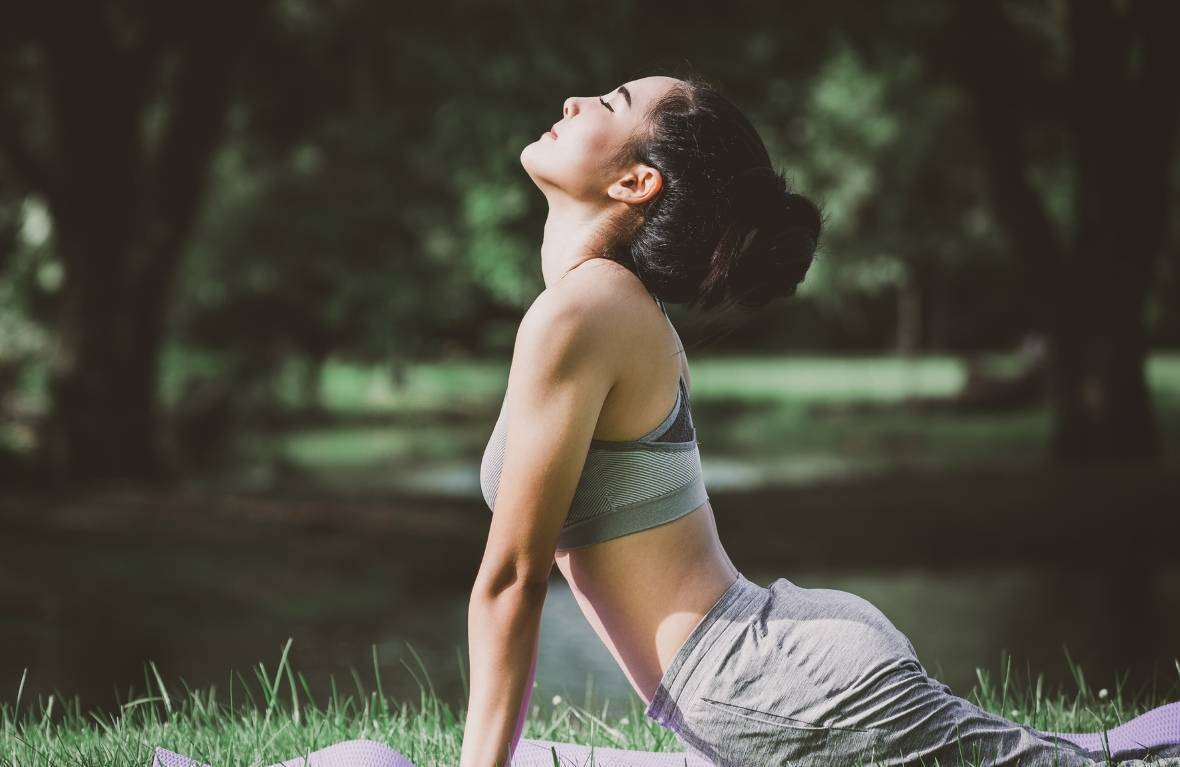
Breathing is something we often take for granteduntil it becomes shallow, rapid, or irregular due to stress, anxiety, or health issues. The breath is the bridge between body and mind, and improving how we breathe can dramatically enhance relaxation, emotional balance, and overall health. Yoga therapy offers powerful breathing techniques that not only improve lung function but also reduce stress and promote deep relaxation.
Why Breathing Matters for Health and Relaxation
Proper breathing supports oxygen delivery to every cell in the body, fuels the brain, and regulates the nervous system. When youre stressed or anxious, breathing often becomes shallow and quick, triggering a fight or flight response that raises heart rate and tension. Over time, this can contribute to chronic stress, fatigue, and emotional imbalance.
Yoga breathwork, or pranayama, trains the respiratory system to breathe more efficiently and intentionally. This training activates the parasympathetic nervous system, promoting a state of calm and relaxation that counters the stress response.
Key Yoga Breathing Techniques for Relaxation
Here are some of the most effective and beginner-friendly yoga breathing techniques you can use daily to improve breathing and induce relaxation:
Diaphragmatic Breathing (Belly Breathing): Focus on breathing deeply into your belly rather than shallow chest breathing. This increases oxygen intake and stimulates relaxation.
4-7-8 Breath: Inhale quietly through the nose for 4 seconds, hold the breath for 7 seconds, then exhale slowly through the mouth for 8 seconds. This technique calms the nervous system and reduces anxiety.
Alternate Nostril Breathing (Nadi Shodhana): Using your fingers to close one nostril at a time, breathe alternately through each nostril. This balances the nervous system and clears mental fog.
Ujjayi Breath (Victorious Breath): Breathing with a slight constriction at the back of the throat creates a soothing ocean-like sound. It increases focus and relaxes the body.
How Yoga Breathing Improves Lung Capacity and Efficiency
Many people dont realize that poor breathing habits can lead to weakened respiratory muscles and reduced lung capacity. Yoga breathwork strengthens the diaphragm and intercostal muscles (muscles between ribs), making each breath more powerful and effective.
Improved lung function enhances endurance, energy levels, and the bodys ability to detoxify. It also supports better posture and reduces tension in the neck and shoulders, common areas where stress is held.
Breathing and Mindfulness: A Perfect Pair
Yoga breathing is inherently mindful it requires focus on the breath, which grounds your attention in the present moment. This mindful breathing practice helps break the cycle of negative thoughts and emotional overwhelm that often accompany stress and anxiety.
When combined with gentle yoga poses and meditation, breathwork creates a deeply restorative experience that rejuvenates both mind and body.
Practical Tips for Incorporating Breathwork Into Your Day
You dont need to set aside hours to practice yoga breathing. Heres how to integrate these techniques easily:
Start your day with 5 minutes of diaphragmatic breathing to set a calm tone.
Use alternate nostril breathing before stressful meetings or challenging situations.
Practice 4-7-8 breath in the evening to wind down and prepare for restful sleep.
Combine Ujjayi breath with gentle yoga stretches or meditation for a complete relaxation routine.
Why YourFormsUX Values Holistic Wellness Practices
At YourFormsUX, we understand that emotional and physical wellness are deeply connected. Offering tools to simplify your workflow goes hand in hand with promoting lifestyle habits like yoga breathing that support mental clarity and stress reduction. Integrating these practices helps you maintain focus, creativity, and resilience in both professional and personal life.