How Yoga Improves Postural Alignment and Reduces Muscle Tension explores targeted strategies for recovery. Discover new paths to mobility, healing, and personalized care.

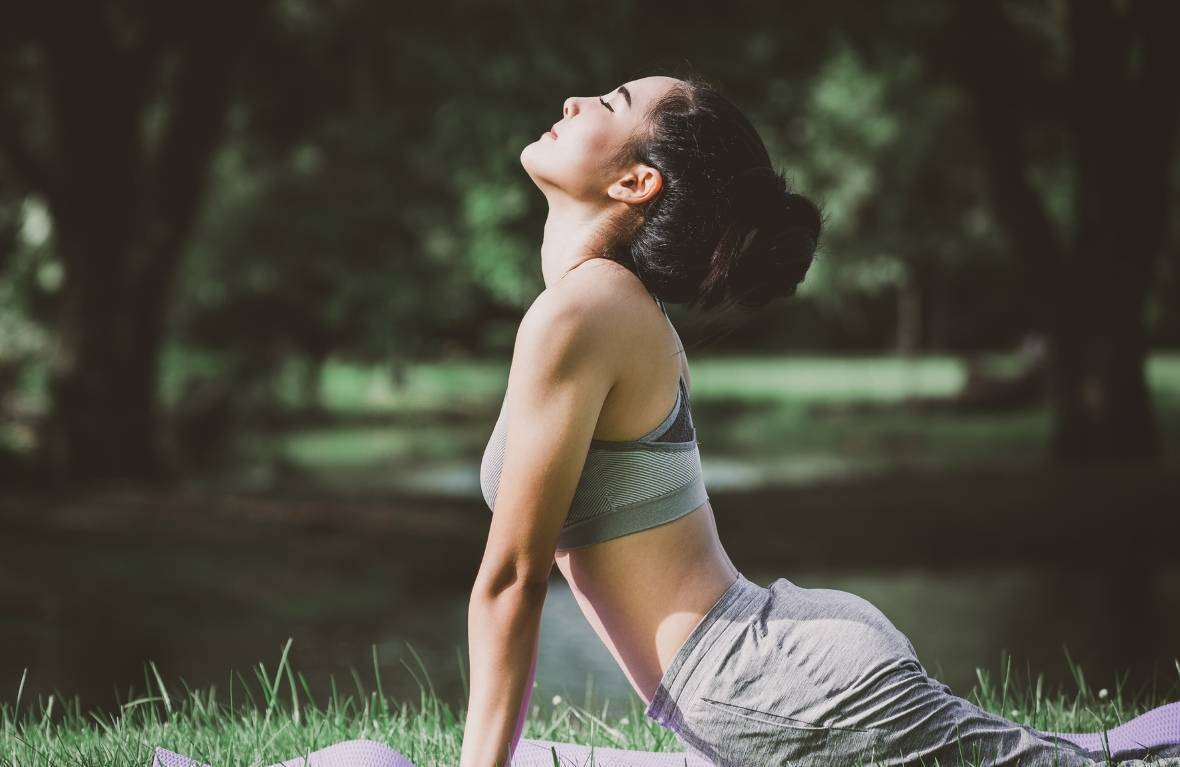
Lets face itmodern life isnt exactly posture-friendly. From slouching at desks to hunching over phones, poor alignment has become the norm. Over time, this leads to muscle imbalances, joint strain, and chronic discomfort. But heres the good news: yoga can help realign your body and relieve that built-up tension, naturally and effectively.
Whether youre feeling stiff after hours of screen time or dealing with persistent back and neck pain, yoga offers practical tools to reset your posture and support long-term musculoskeletal health.
Why Posture Matters More Than You Think
Posture affects more than just your appearance. When your body is out of alignment, it can trigger a domino effect of physical issues, including:
Chronic neck and shoulder tension
Lower back pain
Reduced lung capacity
Headaches and fatigue
Poor digestion and circulation
When alignment is off, certain muscles become overactive while others weaken. This imbalance leads to tension, compensation, and even injury over time. Yoga helps break this cycle.
How Yoga Restores Postural Alignment
Yoga is more than stretchingits mindful, intentional movement. It teaches your body to move in harmony, balance strength and flexibility, and return to its natural alignment. Here’s how:
1. Lengthens Tight Muscles
Prolonged sitting shortens the hip flexors, hamstrings, and chest muscles. Yoga gently lengthens these areas, restoring balance and freeing up movement.
2. Strengthens Postural Muscles
Poses like Plank, Bridge, and Locust engage the core, back, and gluteskey muscles that support upright posture and spinal health.
3. Improves Spinal Awareness
Through breath-guided movement and alignment cues, yoga improves your ability to sense and adjust your spinal position throughout the day.
4. Releases Holding Patterns
Habitual tension builds up in areas like the jaw, neck, and shoulders. Yoga helps identify and release these holding patterns through mindful breathwork and deep stretches.
Common Postural Issues Yoga Can Help Correct
Whether youre a student, office worker, athlete, or retiree, youve probably experienced at least one of these:
Forward Head Posture: Often caused by phone use or computer work.
Rounded Shoulders: A result of tight chest muscles and weak upper back.
Anterior Pelvic Tilt: Common in people who sit for long hourstilts the hips forward, straining the lower back.
Flat Back: Lack of spinal curvature can make movement less efficient and more painful.
Yoga addresses these issues holisticallyby correcting movement mechanics, improving mobility, and teaching you how to move with better alignment in daily life.
Poses That Support Postural Correction
You dont need an advanced practice. Just a few focused poses can make a big difference when practiced regularly:
Mountain Pose (Tadasana): Teaches proper alignment from feet to crown.
Cat-Cow Stretch: Mobilizes the spine and helps develop segmental awareness.
Cobra or Sphinx Pose: Strengthens the upper back and opens the chest.
Bridge Pose: Engages the glutes and posterior chain to correct pelvic alignment.
Wall Angels: A standing posture exercise to improve scapular mobility and shoulder alignment.
Use props like blocks and straps to support good form and avoid overexertion.
The Role of Breath in Postural Health
Breathing isnt just about oxygenits a posture tool. When youre hunched or compressed, your breath becomes shallow and chest-dominant, creating even more tension.
Yoga uses diaphragmatic breathing to:
Encourage upright alignment
Activate the core from the inside out
Calm the nervous system and reduce stress-based muscle tension
A few minutes of mindful breathing a day can support better posture and more relaxed movement.
Integrating Postural Yoga into Your Routine
You dont need a full hour-long class to see results. Heres a simple 15-minute daily routine to support alignment:
Begin with breathwork: 23 minutes of deep belly breathing.
Mobilize the spine: 5 minutes of Cat-Cow, gentle twists, and Downward Dog.
Strengthen: Hold Bridge or Locust for 35 breaths, repeat 23 rounds.
Stretch key areas: Focus on hamstrings, hip flexors, and chest with Forward Fold and Low Lunge.
Close with alignment in Mountain Pose and a brief body scan.
Practice consistency over intensityits about daily realignment, not dramatic change overnight.
Who Benefits from Postural Yoga?
Anyone and everyone. But its especially powerful for:
Office and remote workers
Students
Parents of young children (hello, baby-carrying posture!)
Seniors aiming to stay upright and active
Athletes looking to balance training and prevent imbalances
Even if you feel fine now, preventative postural work can help avoid issues down the road.
Final Thoughts: Stand Tall, Move Free
Posture is not about being rigidits about balance, breath, and awareness. Yoga gives you the tools to listen to your body, adjust gently, and move with ease. Over time, youll find yourself standing taller, moving better, and feeling more at home in your body.
So if youre tired of aches, slouching, or stiffness, roll out your mat. A few poses a day could be the key to restoring alignment and unlocking freedom in your movementone breath at a time.