How Yoga Promotes Flexibility and Joint Health in the Elderly explores targeted strategies for recovery. Discover new paths to mobility, healing, and personalized care.

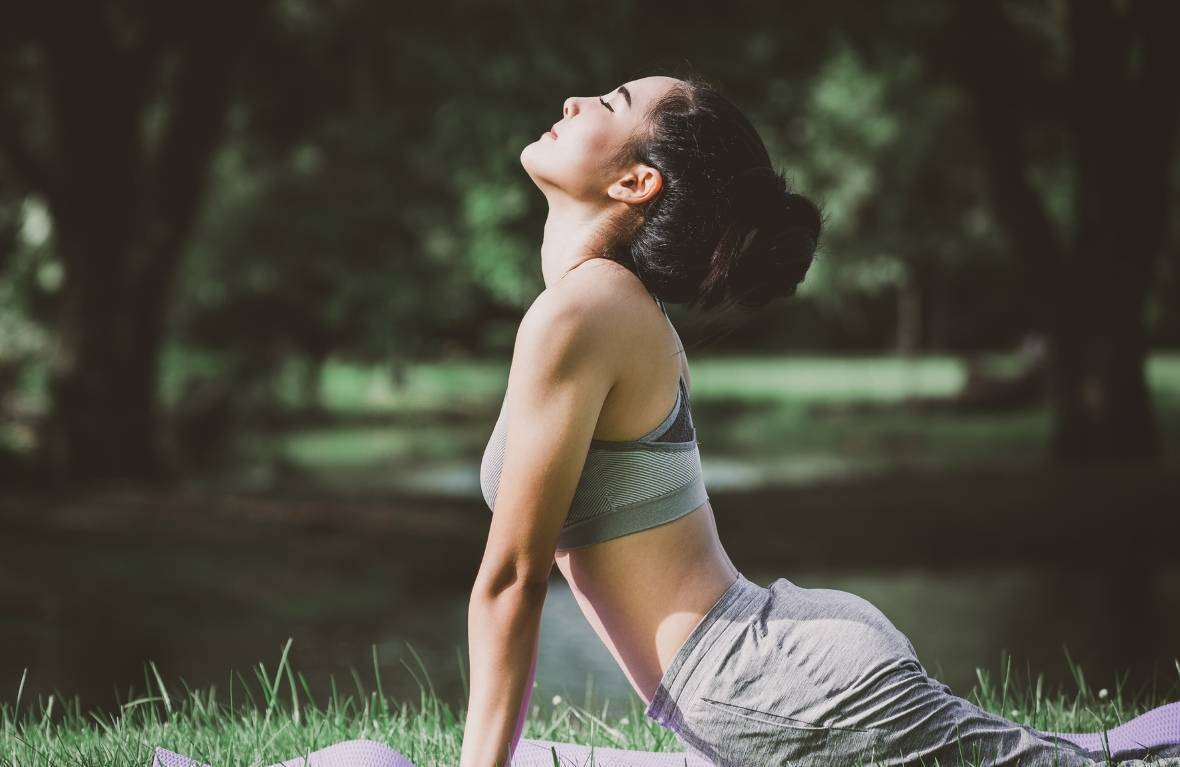
As we age, maintaining flexibility and joint health becomes essential for preserving independence, reducing pain, and preventing mobility issues. Yoga, an ancient practice with a modern twist, offers gentle yet powerful tools to support older adults. From enhancing range of motion to lubricating joints, ease into your golden years with improved physical wellness by embracing yoga for seniors, elderly joint flexibility, and low-impact mobility exercises.
1. Why Flexibility and Joint Health Matter in Later Life
Loss of flexibility can lead to stiffness, reduced daily function, and a higher risk of falls. Joint wear and tearwhether due to osteoarthritis or simple agingcan limit range of motion and increase discomfort. Prioritizing joint health is essential for maintaining a pain-free movement, joint lubrication, and functional independence for seniors.
2. How Yoga Enhances Flexibility in the Elderly
Yoga gently stretches muscles, tendons, and ligaments, progressively improving flexibility over time. Regular practice encourages dynamic flexibilitythe ability to move limbs through a full, smooth rangecritical for daily tasks like reaching, bending, and standing. Using modified poses and props (blocks, chairs, straps) ensures safe progress, especially for beginners. Including keywords like chair yoga for flexibility, gentle yoga stretches, and senior beginner yoga supports search visibility and aligns with user intent.
3. Strengthening Joints with Low?Impact Mobility
Yoga isn’t just about stretchingit’s about reinforcing joint structures. Poses such as Warrior II, Mountain Pose, and seated twists engage surrounding muscles and promote controlled micro-movements within joints. This low-impact resistance enhances muscle support, stabilizes ligaments, and encourages synovial fluid production within joints. Regular engagement helps elderly joint resilience, reduces stiffness, and can slow the progression of degenerative conditions.
4. Key Yoga Techniques for Seniors
Here are a few readily adaptable practice components for older adults:
Chair-supported side stretch Gently opens hips and torso while providing balance support.
Modified Downward Dog With hands on a wall or chair, promoting spine length and shoulder mobility.
Knee-to-chest lying stretch Eases lower back tension, promoting hip flexibility.
Seated spinal twist Maintains spinal mobility, improves posture, and enhances digestion.
Wrist and ankle circles Targets often-neglected joints, supporting better grip and balance.
These techniques provide valuable senior yoga routines, gentle joint mobilization exercises, and elderly flexibility programs suitable for daily practice.
5. Benefits Beyond Stretching
Gentle yoga provides more than a physical stretchit includes breathing, mindfulness, and balance:
Pain Reduction & Joint Comfort Increased blood circulation around joints diminishes discomfort and reduces inflammation.
Enhanced Balance & Stability Improved proprioception from mindful movement can reduce fall riskcritical for senior fall prevention.
Mood Lift & Reduced Stress Breathing techniques like diaphragmatic breathing (pranayama) lower cortisol levels and support mental wellbeing.
Improved Posture Releasing tight muscles (hips, hamstrings, shoulders) helps maintain upright alignment and reduces age-related spinal compression.
6. Tips for Safe and Effective Regular Practice
To maximize benefits and minimize risks:
Consult a healthcare provider before starting, especially with chronic conditions like arthritis or osteoporosis.
Work with a certified senior yoga instructor who understands age-related limitations and can provide hands-on support.
Incorporate yoga 23 times per week, even 2030 minute sessions build flexibility and strength.
Listen to your body avoid pushing into pain; aim for gentle tension instead.
Use props generously chairs, blocks, straps, pillows are allies, not crutches.
Warm-up first simple activities like arm swings or marches prepare joints for yoga’s full movements.
7. Real-Life Testimonial
Consider Margaret, 72, who began practicing yoga twice weekly. After six months, she reported:
Easier reach for kitchen shelves
Less morning stiffness in knees and hips
Improved balance and fewer minor slips at home
Her story illustrates tangible benefits and supports compelling content rich in senior wellness success.
8. Enhancing Yoga with Healthy Habits
Yoga works best when complemented by:
Hydration Essential for maintaining joint cartilage.
Balanced nutrition Omega-3 rich foods (fatty fish, flaxseed) help reduce inflammation.
Low-impact exercise Walking, swimming, and cycling reinforce flexibility gains.
Conclusion
Yoga offers older adults a thoughtfully paced, effective way to boost flexibility, improve joint health, and stave off age-related mobility challenges. With regular, safe practice and attentive instruction, seniors can reclaim confidence, move freely, and age with poise. By integrating flexibility for elderly, senior joint health, and gentle yoga for aging bodies into your content strategy, YourFormsUX can reach and resonate with aging individuals in Canada (and beyond), supporting them on their journey to healthier, more flexible living.