Improving Balance and Coordination for Athletes with Physiotherapy explores targeted strategies for recovery. Discover new paths to mobility, healing, and personalized care.

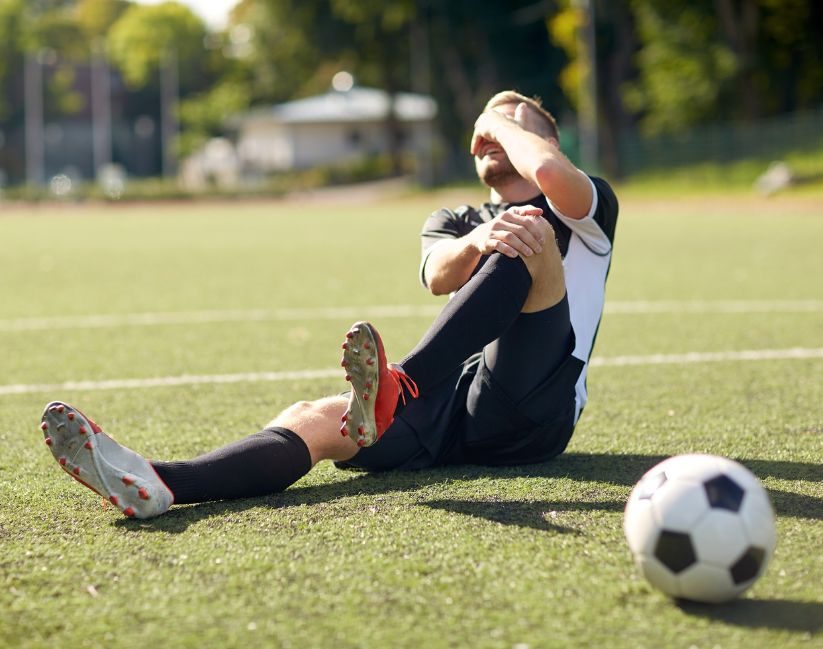
Athletic performance isnt just about speed, strength, or enduranceits also about balance and coordination. Whether you’re a gymnast executing a flawless routine, a soccer player weaving through defenders, or a hockey player pivoting on a dime, balance and coordination are the invisible forces behind nearly every successful movement. And when they’re offeven slightlyit can lead to injuries, decreased performance, or long-term dysfunction. That’s where sports-specific physiotherapy plays a vital role.
At YourFormsUX, we help athletes across Canada regain, enhance, and master their balance and coordination using evidence-based, sport-specific rehabilitation and training techniques. Our approach doesnt just restore function; it elevates athletic potential.
Why Balance and Coordination Matter in Sports
Lets start with a basic truth: you cant generate power without control. Balance and coordination are what allow athletes to:
Change direction quickly without falling
Absorb and redirect force during jumps and landings
Execute complex sport-specific techniques smoothly
React to unpredictable scenarios like contact, slipping, or external pressure
Prevent injuries by maintaining joint and muscular alignment
Many injuriesespecially those involving the ankles, knees, hips, and lower backstem from poor balance or delayed neuromuscular responses. If you lack body control, youre more likely to land awkwardly, roll an ankle, or twist a joint under load.
What Is Balance and Coordination Training in Physiotherapy?
Balance refers to your bodys ability to remain upright and stablewhether static (standing still) or dynamic (while moving).
Coordination is how efficiently your muscles, joints, and nervous system work together to perform complex tasks.
Sports-specific physiotherapy addresses both by:
Reactivating the neuromuscular system
Training joint stability under real-life conditions
Enhancing proprioception (your bodys sense of position)
Improving dynamic control under fatigue
Our programs are tailored to the unique movement patterns of your sport, ensuring you’re not just stablebut stable when it matters most.
Signs You May Need Balance and Coordination Training
Even elite athletes sometimes overlook subtle imbalances until they result in injury or performance decline. Common red flags include:
Frequent ankle sprains or stumbles
Difficulty landing from jumps without wobble
Slow or uncoordinated changes in direction
Core instability or back pain during explosive movements
Dead leg or poor reaction time when adjusting posture mid-play
These symptoms often point to impaired proprioception or neuromuscular disconnectissues that general strength training wont fix alone.
How Sports-Specific Physiotherapy Improves Balance & Coordination
At YourFormsUX, we take a layered approach to restoring and enhancing body control. Heres what our process looks like:
1. Functional Movement Screening
We begin with a comprehensive movement analysis to identify weak links in your chain of motion. This includes:
Single-leg stability tests
Dynamic balance evaluations (e.g., Y-Balance Test)
Core strength and pelvic control analysis
Sport-specific agility testing
Joint alignment and muscle activation sequencing
This data forms the foundation of your customized training protocol.
2. Neuromuscular Re-Education
Neuromuscular control refers to your nervous systems ability to efficiently coordinate muscle firing. Injury or disuse often disrupts this process, leading to inefficient movement.
We use exercises like:
Balance pad drills for reactive joint stabilization
Laser-guided movement retraining
Isolated activation of stabilizer muscles (like the gluteus medius, transverse abdominis, and multifidus)
Each movement is fine-tuned for timing, precision, and control, with progressions designed to simulate your sports tempo.
3. Proprioceptive Training
Proprioception is your body’s internal GPSit tells you where your limbs are in space without needing to look. Poor proprioception often causes instability, especially during quick movements.
We incorporate:
Unstable surfaces like BOSU balls, foam rollers, and wobble boards
Eyes-closed drills to heighten internal feedback
Single-leg hops and landings
Reaction-based exercises with unpredictable cues
These exercises rebuild confidence in movement and help prevent the kind of surprise injuries caused by loss of control.
4. Dynamic Core Stabilization
You cant balance well without a strong and reactive core. We emphasize functional core training that connects upper and lower body:
Anti-rotation exercises using resistance bands or cables
Pallof presses, bird dogs, and plank variations
Movement under load, such as overhead lunges or medicine ball throws
Sport-specific lifting patterns, like barbell squats for skiers or rotational lifts for baseball players
Strong core control means better posture, quicker reaction times, and improved power transfer across joints.
5. Agility and Reactive Control Training
Once you can balance in a controlled setting, its time to add speed and unpredictability:
Agility ladder drills
Cone weaves and shuttle sprints
Cognitive tasks during balance exercises (e.g., memory recall while hopping)
Game-specific movement simulations
Our sports physiotherapists program these drills based on the athletes specific position, sport, and season.
Real-Life Results for Athletes
Athletes who complete our balance and coordination programs often report:
Reduced injury recurrence, especially ankle and knee sprains
Improved performance under fatigue
Faster change-of-direction capability
Better control during explosive lifts
Greater confidence returning to sport
Weve worked with soccer players recovering from ACL injuries, gymnasts with chronic ankle instability, and runners with recurring IT band syndromeeach seeing measurable improvement with targeted balance work.
Why Choose YourFormsUX for Balance & Coordination Rehab?
At YourFormsUX, we combine physiotherapy expertise with athletic insight. We understand that body control is more than just rehabits a competitive edge.
Our differentiators:
One-on-one care from licensed sports physiotherapists
Customized programs based on sport, injury history, and performance goals
Integrated performance testing to track progress
Collaboration with coaches and trainers for seamless return to sport
Whether youre recovering from an injury or looking to elevate your game, our balance and coordination programs deliver results.
Start Training SmarterNot Just Harder
If youre struggling with injury setbacks, instability, or inconsistent performance, it might not be your conditioningit might be your control. At YourFormsUX, we help you build a stronger foundation so you can compete at your best.
Book a balance and coordination assessment with us today, and take the next step toward injury-free, optimized movement.