Improving Core Stability and Flexibility for Spine Injury Recovery explores targeted strategies for recovery. Discover new paths to mobility, healing, and personalized care.

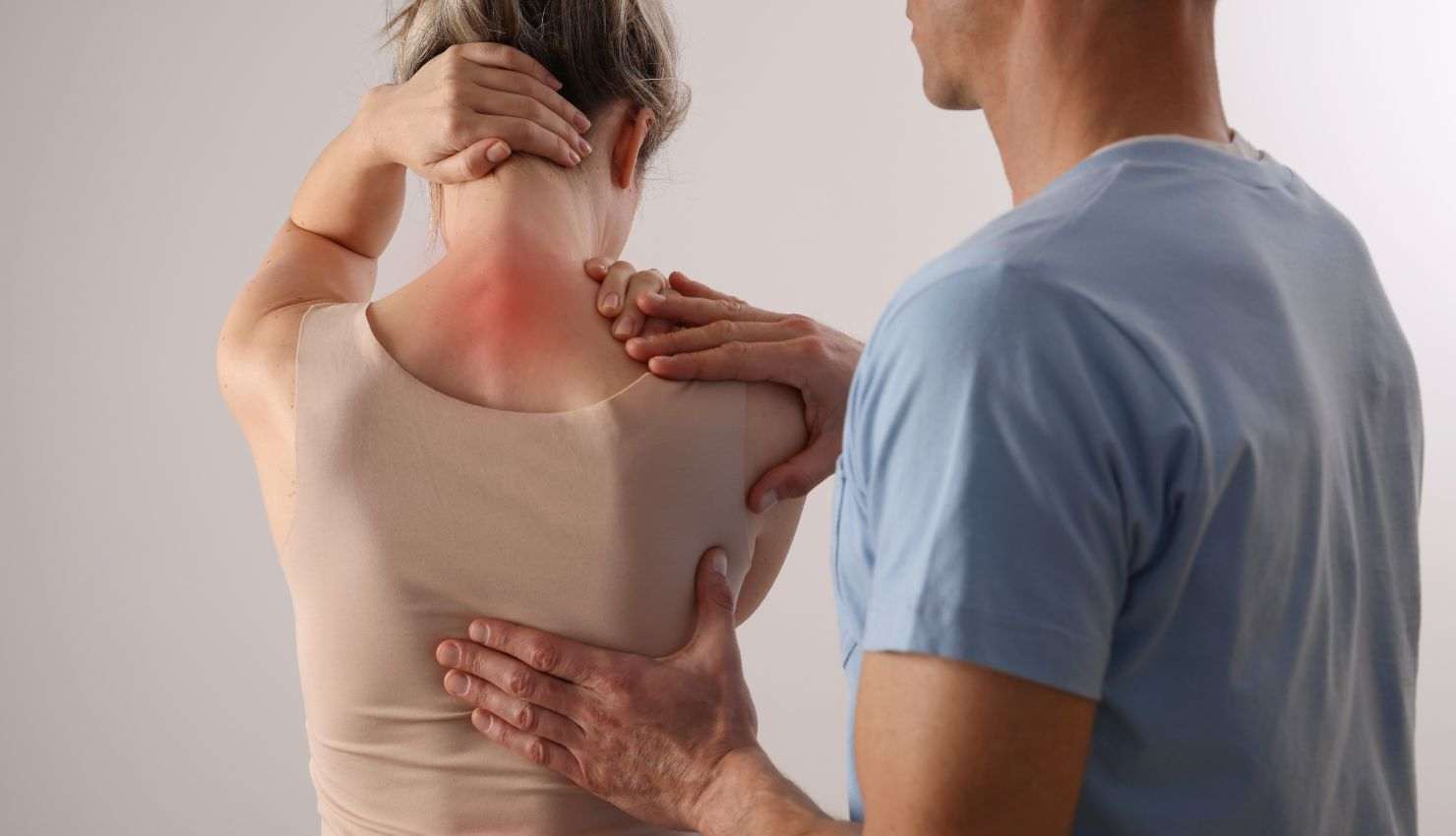
Recovering from a spine injury can feel overwhelming, but focusing on improving core stability and flexibility is a key step toward regaining strength, mobility, and function. At YourFormsUX.com, we emphasize the role of a strong, flexible core in protecting the spine during the healing process and preventing future injury.
If you or a loved one is navigating spine injury recovery, understanding how to safely rebuild your core is essential. Lets explore why core stability and flexibility matter, and how to incorporate targeted exercises into your recovery journey.
Why Core Stability and Flexibility Are Critical in Spine Injury Recovery
The core musclesincluding the transverse abdominis, multifidus, pelvic floor, and diaphragmact as a natural brace for your spine. When these muscles are strong and flexible, they maintain spinal alignment and absorb movement forces, reducing strain on injured tissues.
Following a spine injury, core muscles often weaken due to pain, immobility, or protective guarding. This weakness can lead to instability, compensatory movement patterns, and increased risk of re-injury if not addressed.
Restoring core stability helps rebuild the spines protective support system, while improving flexibility ensures your spine can move comfortably through its natural range without stiffness or pain.
Phases of Core Rehabilitation for Spine Injury Recovery
Successful recovery follows a progression from gentle activation to dynamic strengthening:
Activation Phase:
Focus on gently engaging deep core muscles without causing pain. Exercises like abdominal drawing-in or pelvic floor contractions help reconnect the nervous system to these muscles.
Strengthening Phase:
Once activation is established, introduce controlled strengthening exercises such as bridges, bird-dogs, and modified planks. These build endurance and support for the spine.
Flexibility and Mobility Phase:
Incorporate stretches and mobility work to improve spinal flexibility. Movements like cat-cow stretches and gentle spinal twists promote healthy tissue extensibility.
Functional Integration:
Relearn movement patterns used in daily activities with proper core engagement, including bending, lifting, and twisting safely.
Effective Core Exercises for Spine Injury Recovery
Here are some gentle, effective exercises to consideralways under professional guidance:
Pelvic Tilts: Lying on your back, flatten your lower back into the floor by tilting your pelvis. This activates core muscles and improves lumbar mobility.
Abdominal Bracing: Draw your belly button in toward your spine gently, holding for a few seconds. Focus on controlled breathing.
Bridges: Lift your hips off the floor while squeezing glutes and engaging your core, then lower slowly.
Bird-Dog: From hands and knees, extend opposite arm and leg while maintaining a neutral spine. Hold, then switch sides.
Cat-Cow Stretch: On hands and knees, alternate arching and rounding your back to improve spinal flexibility.
Tips for Safe and Effective Recovery
Always consult your physiotherapist or healthcare provider before starting exercises.
Progress slowly, listening to your body and avoiding movements that increase pain.
Maintain consistent practice to build strength and flexibility over time.
Combine core work with overall fitness and postural habits for best outcomes.
Use ergonomic supports and practice good body mechanics daily.
The Role of Physiotherapy in Core-Based Spine Injury Recovery
Physiotherapy plays a pivotal role in guiding spine injury recovery. Physiotherapists create individualized programs that balance core stability and flexibility training with pain management and functional retraining. Their expert supervision helps avoid setbacks and ensures safe progression.
At YourFormsUX.com, we encourage working closely with physiotherapists to tailor your recovery plan and optimize outcomes.
Benefits of Improving Core Stability and Flexibility After Spine Injury
Enhanced spinal support reduces pain and discomfort.
Improved mobility restores ease of movement in daily life.
Greater stability lowers risk of future injury or re-injury.
Rebuilt muscle coordination enhances balance and posture.
Better function enables a quicker return to work, hobbies, and activities.
Final Thoughts
Improving core stability and flexibility is essential for a strong recovery after spine injury. With patience, professional guidance, and consistent effort, you can rebuild a resilient core that protects your spine and supports long-term health.
If youre recovering from a spine injury, take the first step by incorporating targeted core exercises into your rehabilitation. YourFormsUX.com is here to provide trusted information and support throughout your healing journey.