Improving Dance Performance with Physiotherapy Rehab Programs explores targeted strategies for recovery. Discover new paths to mobility, healing, and personalized care.

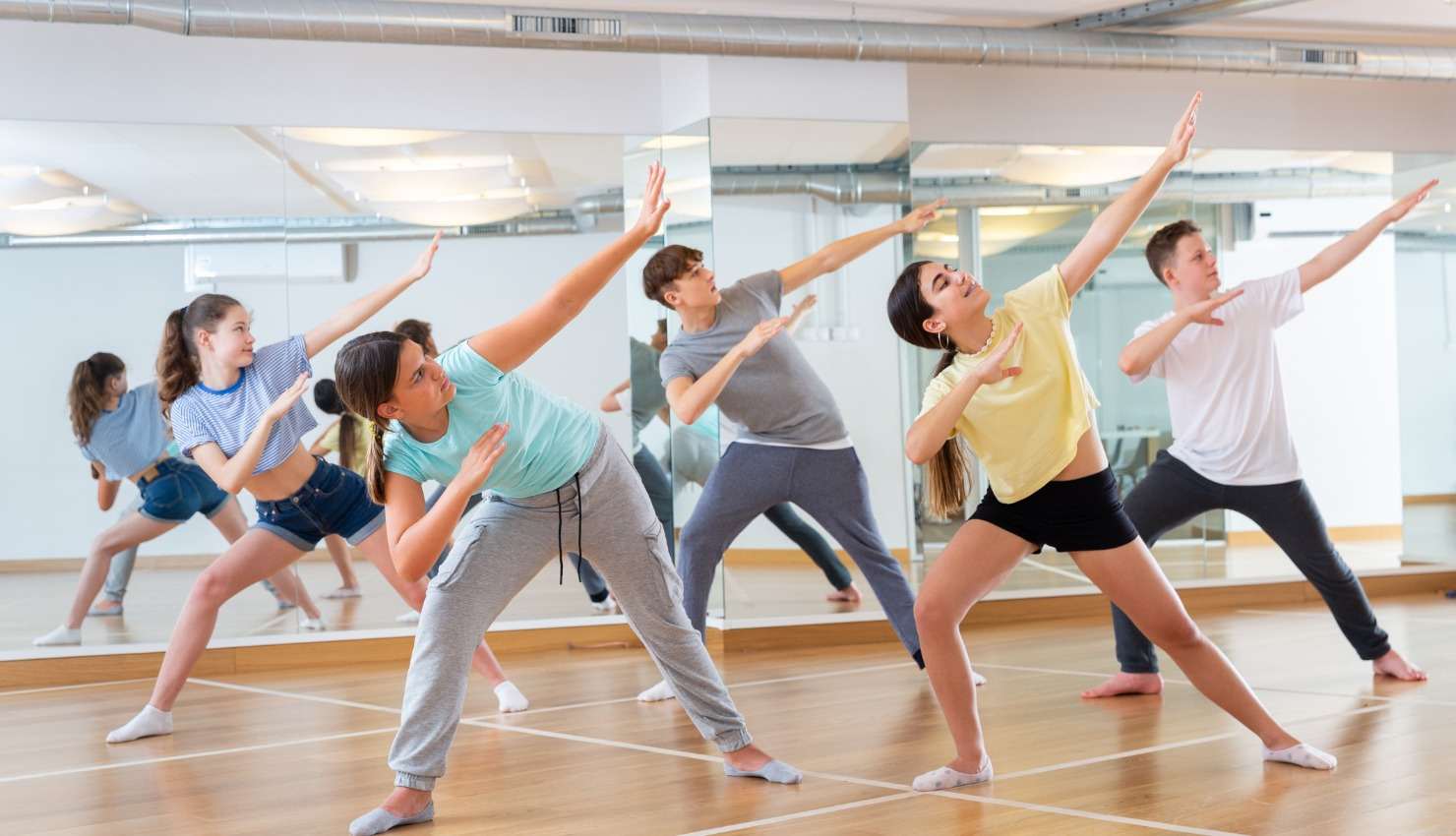
Many dancers only consider physiotherapy when theyre sidelined by pain. But modern physiotherapy takes a performance-based approach, focusing not only on healing but also on optimizing movement, preventing re-injury, and enhancing every aspect of dance ability.
How Physiotherapy Rehab Programs Improve Dance Performance
1. Restores and Enhances Movement Quality
Dancers recovering from injury often develop compensationssubtle shifts in how they move that affect balance, turnout, alignment, or jump technique. Rehab programs:
Address faulty movement patterns
Rebuild proper biomechanics
Reinforce efficient joint and muscle control
? Result: Cleaner lines, smoother transitions, and less wasted energy.
2. Builds Strength and Endurance in Key Muscle Groups
Targeted rehab exercises improve performance by:
Strengthening the core, glutes, calves, and hip stabilizers
Enhancing muscular endurance for long rehearsals and back-to-back shows
Promoting balanced strength between agonist and antagonist muscles
? Result: More power in jumps, better control in balances, and reduced muscle fatigue.
3. Improves Flexibility Without Compromising Stability
Dancers often overstretch in pursuit of extreme rangebut flexibility without control can lead to injury. Physiotherapists guide:
Safe stretching techniques
Functional mobility drills
Stabilization work in end-range positions
? Result: Greater range of motion with control and support.
4. Enhances Neuromuscular Coordination
Rehab focuses on retraining the nervous system to activate muscles precisely and efficiently. This improves:
Timing and responsiveness
Foot placement and balance
Fluidity of transitions in choreography
? Result: Increased grace, precision, and fluid motion.
5. Builds Mental Confidence and Body Awareness
Injury can shake a dancers confidence. Physiotherapy provides:
A structured return-to-dance plan
Gradual progression through movement challenges
Mind-body strategies for mental resilience
? Result: A more confident, body-aware performer ready to take on demanding roles.
Key Components of a Dance-Specific Rehab Program
Functional movement assessments tailored to dance styles
Dance-specific conditioning (plies, relevés, floorwork control)
Cross-training (Pilates, yoga, resistance training)
Injury prevention education (warm-ups, cooldowns, load management)