Improving Fitness and Hormonal Health with Physiotherapy explores targeted strategies for recovery. Discover new paths to mobility, healing, and personalized care.

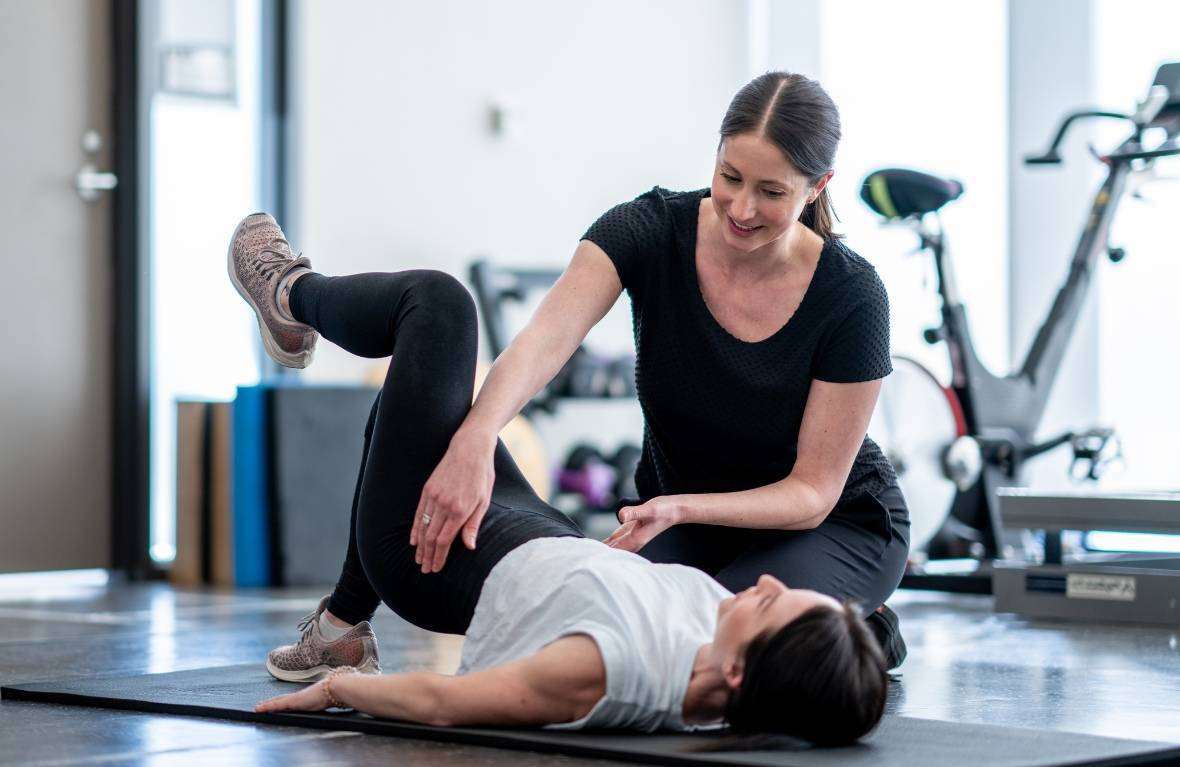
Balancing fitness goals with hormonal health can be challenging, especially for women experiencing shifts due to menstrual cycles, pregnancy, or menopause. Hormonal fluctuations affect energy levels, muscle recovery, fat storage, and even mood, making it important to approach fitness thoughtfully. Physiotherapy offers a tailored, science-backed way to improve fitness while supporting your hormonal health for lasting results.
Why Hormonal Health Matters for Fitness
Hormones like estrogen, progesterone, testosterone, and cortisol influence how your body responds to exercise. For example, estrogen helps with muscle repair and fat metabolism, but its levels fluctuate throughout your cycle. Cortisol, the stress hormone, affects energy and recovery. Understanding these effects is key to designing a fitness program that works with your body, not against it.
How Physiotherapy Enhances Fitness During Hormonal Changes
Physiotherapists specialize in adapting exercise to your unique hormonal profile. They create customized programs that:
Optimize training intensity based on your cycle phase or life stage.
Prevent injuries by addressing biomechanical imbalances and joint stability.
Incorporate recovery strategies to manage fatigue and inflammation.
Strengthen muscles essential for hormonal regulation and metabolic health.
Exercise Strategies for Hormonal Balance
During the follicular and ovulation phases, higher estrogen levels support strength and endurance. Physiotherapists recommend more intense workouts like resistance training and high-intensity interval training (HIIT) in these windows to maximize gains.
In the luteal and menstrual phases, energy and coordination may dip, and fatigue may increase. Focus shifts to low-impact activities such as yoga, Pilates, or gentle swimming. Physiotherapy also integrates mobility and flexibility exercises to alleviate discomfort and maintain activity levels.
Addressing Common Hormonal Fitness Challenges
Hormonal changes can cause joint laxity, muscle soreness, or pelvic floor issuesall of which affect fitness. Physiotherapists evaluate these risks and provide targeted interventions like stability exercises, manual therapy, and pelvic floor rehabilitation to keep you moving safely.
The Role of Recovery and Sleep
Recovery is vital to fitness and hormone balance. Physiotherapy emphasizes techniques to improve circulation, reduce muscle tension, and promote restful sleepall of which enhance recovery and hormone regulation.
Lifestyle Habits Supporting Fitness and Hormones
Physiotherapists also encourage lifestyle habits that complement fitness efforts, such as balanced nutrition, hydration, stress management, and sleep hygiene. This holistic approach supports consistent progress and hormonal health.
Why Physiotherapy in Canada?
Canadian physiotherapists have access to up-to-date training on womens health and hormonal considerations, making them excellent partners in your fitness journey. Their personalized care ensures workouts are safe, effective, and sustainable.
Conclusion
Improving fitness while supporting hormonal health is entirely possible with the right guidance. Physiotherapy provides tailored exercise plans, injury prevention, recovery support, and lifestyle advice that work with your bodys natural rhythms. This integrated approach leads to better performance, fewer setbacks, and enhanced overall wellbeing.
If you want to optimize your fitness without compromising hormonal health, consulting a physiotherapist can help you achieve your goals safely and effectively.