Pelvic health plays a foundational role in a womans overall well-being, impacting everything from bladder and bowel control to sexual health and lower back stability. For many women in Canada, pelvic floor dysfunction goes unnoticed until symptoms like urinary leakage, pelvic pressure, or discomfort during intimacy arise.

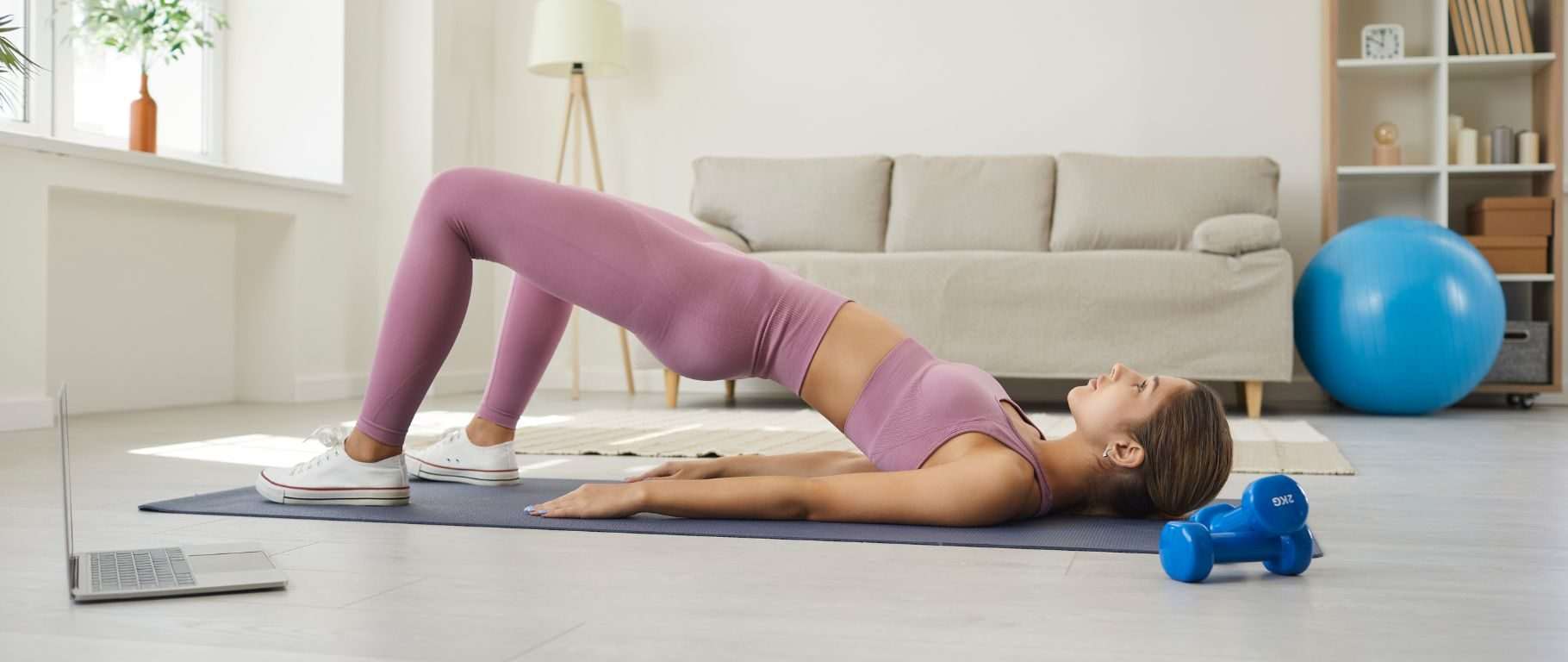
Pelvic health plays a foundational role in a womans overall well-being, impacting everything from bladder and bowel control to sexual health and lower back stability. For many women in Canada, pelvic floor dysfunction goes unnoticed until symptoms like urinary leakage, pelvic pressure, or discomfort during intimacy arise. Thankfully, one of the most effective ways to support and restore pelvic health is through daily physiotherapy-based techniques that are simple, non-invasive, and easy to integrate into your routine.
This blog explores how consistent use of physiotherapy exercises can strengthen the pelvic floor muscles, improve circulation, and alleviate discomfortwithout the need for complex equipment or expensive treatments.
Why Daily Physiotherapy Matters for Pelvic Health
The pelvic floor is made up of a group of muscles and connective tissues that support internal organs like the bladder, uterus, and rectum. Like any other muscle group, the pelvic floor can weaken over time due to pregnancy, childbirth, menopause, sedentary lifestyle, or chronic straining. A weakened or overly tense pelvic floor can lead to symptoms such as:
Urinary or fecal incontinence
Pelvic organ prolapse
Lower back or pelvic pain
Sexual dysfunction
Daily physiotherapy helps restore balance by retraining these muscles to contract and relax effectively. Incorporating targeted movements and posture awareness into your day allows for better neuromuscular control, strength, and flexibility in the pelvic region.
1. Start with Diaphragmatic Breathing
One of the easiest and most overlooked physiotherapy techniques is diaphragmatic breathing. This form of deep, belly-based breathing connects the diaphragm and pelvic floor through synchronized movement.
How to do it:
Sit or lie down comfortably with your spine straight.
Inhale slowly through your nose, allowing your belly and ribs to expand.
Feel the pelvic floor lengthen and soften with the inhale.
Exhale gently through your mouth, engaging your pelvic floor upward as if lifting internally.
Repeat for 510 breaths, twice a day.
Deep breathing improves core coordination, relaxes overactive muscles, and brings mindfulness to pelvic function.
2. Practice Basic Pelvic Floor Contractions (Kegels)
Kegels are the cornerstone of pelvic physiotherapy, but when done incorrectly or inconsistently, they can be ineffective. Physiotherapists recommend focusing on slow, controlled movements.
Proper Kegel technique:
Visualize gently lifting the pelvic floor muscles as if stopping the flow of urine.
Hold the contraction for 5 seconds, then relax completely for another 5 seconds.
Repeat this 10 times, twice a day.
Do not engage the glutes, thighs, or abdominal muscles. Quality of contraction matters more than quantity. If unsure about technique, consider guidance from a pelvic health physiotherapist.
3. Incorporate Functional Core Engagement
Your pelvic floor does not work in isolation. It functions as part of your core, along with the deep abdominal muscles (transversus abdominis), back stabilizers, and diaphragm. Training the core holistically ensures that pressure is distributed evenly, reducing strain on the pelvis.
Daily practice tip:
While lifting a grocery bag, squatting, or even brushing your teeth, gently draw in your lower abdomen and lift the pelvic floor.
Breathe steadily as you maintain this gentle engagement.
Doing this repeatedly in real-world tasks reinforces healthy muscle coordination and reduces the chance of injury or strain.
4. Stretch to Reduce Tension and Improve Mobility
Pelvic pain can sometimes stem from muscles that are too tight rather than weak. Stretching the hips, lower back, and inner thighs can alleviate pressure on the pelvic floor and support its flexibility.
Daily stretch routine ideas:
Butterfly stretch (seated with feet together, knees falling outward)
Hip flexor stretch (kneeling lunge)
Childs pose (knees wide, reaching forward on the floor)
Supine figure-four stretch (lying down with ankle over opposite knee)
Hold each stretch for 30 seconds, breathing deeply and staying relaxed. Avoid pushing into pain.
5. Use Postural Awareness Throughout the Day
Pelvic alignment is affected by your posture. Slouching or tilting your pelvis forward or backward can disrupt the balance of pressure on the pelvic floor, increasing strain. Physiotherapy encourages neutral posture during sitting, standing, and movement.
Posture checkpoints:
Sit on your sit bones, not your tailbone.
Keep your shoulders stacked over your hips.
Avoid standing with locked knees or an arched lower back.
Alternate sitting and standing positions if you work at a desk.
Bringing awareness to posture supports pelvic health by encouraging correct load-bearing through the pelvic muscles and joints.
6. Make Movement a Habit, Not a Task
Consistency is key to seeing progress with physiotherapy-based techniques. Its better to do five minutes of targeted pelvic work daily than 30 minutes once a week. The pelvic floor responds to repetition, mindful engagement, and incremental load.
Suggestions for easy integration:
Perform breathing exercises before bed or upon waking.
Add pelvic contractions while brushing teeth or waiting in line.
Incorporate gentle stretching during TV time.
Use a reminder app or sticky note prompts for posture checks.
When these techniques become habitual, the body adapts naturally, reducing reliance on willpower or external motivation.
When to Seek Professional Help
While many women experience significant improvement with daily physiotherapy techniques, some symptoms may require individualized attention. If you notice persistent issues like pain, pressure, leakage, or difficulty contracting the muscles, a pelvic floor physiotherapist can assess your condition and provide tailored exercises.
Professional assessment ensures your daily routine is aligned with your bodys unique needs, especially after childbirth, surgery, or menopause.
Takeaway: Empowering Pelvic Health Through Simple Daily Practices
Improving pelvic health doesn’t have to be overwhelming or time-consuming. With small, focused stepslike breathing consciously, practicing posture, and doing targeted exercisesyou can build resilience in your pelvic floor. These daily physiotherapy techniques, grounded in clinical best practices, are accessible, cost-effective, and empowering.
Whether you’re recovering postpartum, managing menopause, or simply looking to improve core strength and bladder control, prioritizing pelvic health daily can lead to long-term improvements in comfort, confidence, and mobility.
For more guidance on pelvic floor physiotherapy in Canada or to consult a trained expert, visit YourFormSux and take the next step toward lasting pelvic health.