Improving Sprinting Speed and Agility through Sports-Specific Therapy explores targeted strategies for recovery. Discover new paths to mobility, healing, and personalized care.

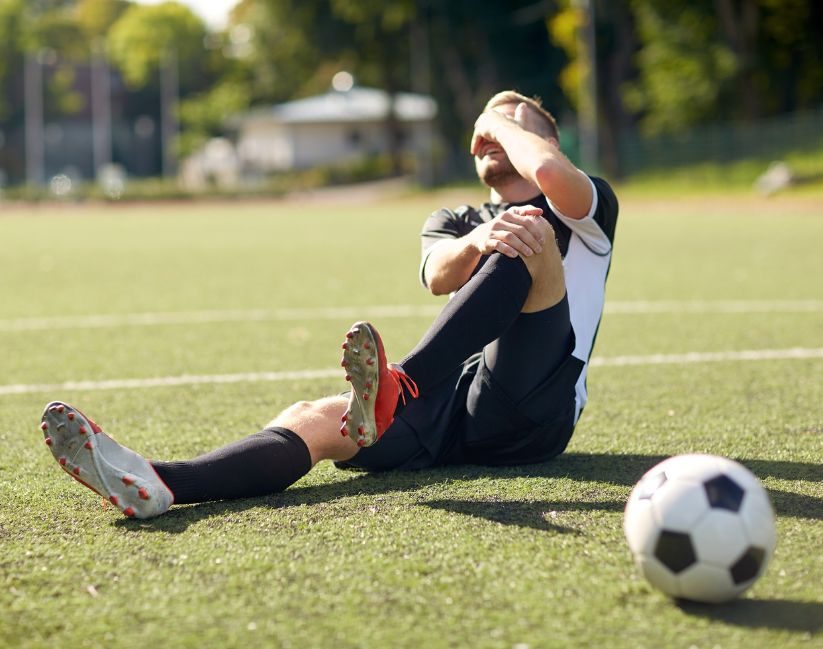
Sprinting speed and agility are fundamental to success in many sportsfrom soccer and rugby to track and field. But these explosive skills require more than raw talent; they demand precise conditioning, injury prevention, and targeted rehabilitation when injuries occur. Thats where sports-specific therapy steps in to optimize sprinting mechanics and agility training.
In this blog, well explore how sports-specific therapy helps athletes improve sprinting speed and agility, the key components of therapy programs, and why personalized approaches matter for peak performance.
Why Sprinting Speed and Agility Matter
Speed and agility are closely linked but distinct physical qualities:
Sprinting Speed: The ability to accelerate quickly and maintain high velocity.
Agility: The capacity to change direction rapidly and efficiently while maintaining balance and control.
In competitive sports, milliseconds can decide the outcome. Improving these attributes enhances an athletes ability to outperform opponents, avoid injuries, and execute complex plays with precision.
Common Challenges Athletes Face with Speed and Agility
Many athletes struggle with:
Muscle imbalances that limit power output.
Poor neuromuscular coordination affecting footwork.
Limited flexibility and joint mobility reducing stride length.
Previous injuries causing compensation patterns.
Fatigue impairing movement quality during games.
Sports-specific therapy helps address these limitations through personalized interventions.
How Sports-Specific Therapy Improves Sprinting Speed
Biomechanical Analysis
Therapists assess running form, identifying inefficiencies such as overstriding, poor hip extension, or foot placement errors. Correcting these through drills and exercises enhances speed and reduces injury risk.
Strength Training
Targeted strengthening of the glutes, hamstrings, calves, and core improves propulsion and sprinting power.
Neuromuscular Training
Drills that enhance muscle firing patterns and coordination optimize sprint mechanics and stride frequency.
Flexibility and Mobility Work
Improving hip, ankle, and thoracic spine mobility supports a fuller range of motion for longer, faster strides.
Plyometrics and Explosive Training
Jump training enhances muscle power and reactive strength crucial for acceleration and top-end speed.
Enhancing Agility with Therapy
Agility training in therapy focuses on:
Change of Direction Drills: Practice cutting, pivoting, and lateral movements under controlled conditions.
Balance and Proprioception: Exercises improve body awareness and stability, reducing fall and injury risk.
Reaction Time Training: Incorporates cognitive and physical components to speed up decision-making.
Muscle Coordination: Strengthens smaller stabilizing muscles essential for quick directional changes.
Addressing Injuries That Affect Speed and Agility
Sports-specific therapy also plays a vital role in rehabilitating common injuries that impair speed and agility, such as:
Hamstring strains.
Ankle sprains.
Knee ligament injuries.
Achilles tendonitis.
Muscle tightness and scar tissue.
Therapy uses a combination of manual treatment, strengthening, and progressive functional drills to restore full athletic capacity.
The Role of Personalized Therapy Plans
No two athletes are the same, so therapy plans are customized based on:
Sport and position-specific demands.
Injury history and physical assessments.
Performance goals and timelines.
Training schedules and competition calendar.
This approach ensures optimal gains in sprinting speed and agility without overtraining or re-injury.
Frequently Asked Questions (FAQs)
Q: How quickly can sports-specific therapy improve sprinting speed?
A: Noticeable improvements can occur within weeks, but full optimization often takes 8-12 weeks depending on starting condition.
Q: Can therapy prevent common sprinting injuries?
A: Yes, by addressing muscle imbalances, mobility restrictions, and faulty mechanics, therapy significantly lowers injury risk.
Q: Is agility training only for team sports?
A: No, agility is crucial in many individual sports like tennis, martial arts, and track events requiring quick directional changes.
Q: How often should I do therapy sessions?
A: Frequency depends on goals and injury status, but 1-3 sessions per week is common during active training or rehab.
Q: Can I combine sports-specific therapy with my regular training?
A: Absolutely, therapy complements and enhances your usual workouts by targeting weaknesses and preventing injury.
Final Thoughts
Whether youre a sprinter, soccer player, or rugby athlete, enhancing sprinting speed and agility can transform your game. Sports-specific therapy offers a powerful, personalized route to boost these critical skills while safeguarding your body from injury.
At YourFormsUX in Canada, our experienced therapists specialize in creating tailored therapy plans that help athletes run faster, cut sharper, and perform stronger. Ready to sprint ahead of the competition? Sports-specific therapy could be your secret weapon.