Improving Your Mental Health Through Movement-Based Exercises brings new meaning to proactive care. Tap into fresh strategies that promote movement and strength.

Movement-based exercises have a profound impact on mental health, offering natural ways to reduce symptoms of anxiety, depression, and stress while promoting overall emotional wellness. At YourFormSux (YFS), our physiotherapy programs focus on integrating movement exercises tailored to enhance mental well-being and support long-term recovery.
How Movement-Based Exercises Affect Mental Health
Physical movement triggers the release of endorphins and other neurotransmitters that improve mood and reduce pain. These natural chemicals help alleviate depression and anxiety symptoms by promoting feelings of happiness and calmness.
Additionally, movement improves blood flow and oxygen delivery to the brain, enhancing cognitive function and emotional stability.
Types of Movement Exercises Beneficial for Mental Health
Movement-based exercises vary in intensity and type but share common benefits for mental health:
Aerobic exercises like walking or cycling increase heart rate, boosting endorphin production.
Stretching and flexibility exercises reduce muscle tension linked to stress.
Balance and coordination drills improve body awareness and grounding.
Breath-focused movements promote relaxation and reduce anxiety.
Physiotherapy at YFS combines these elements to create effective, personalized exercise routines.
Physiotherapys Role in Guiding Movement Exercises
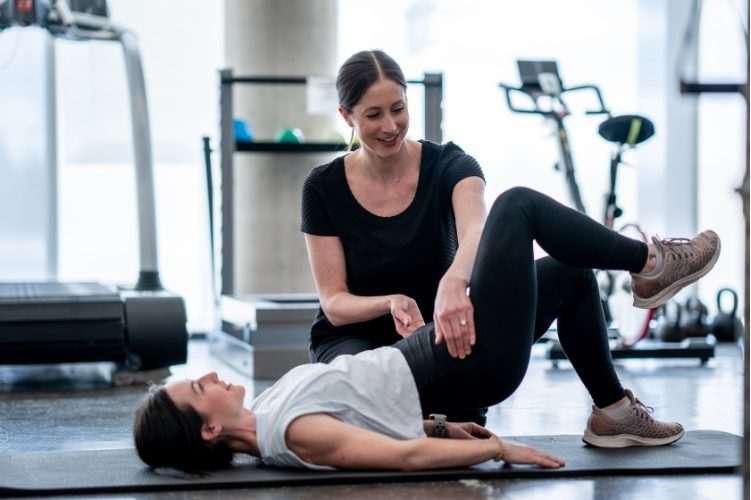
Physiotherapists assess individual needs and limitations to design safe, achievable movement plans. This professional guidance helps clients avoid injury and ensures exercises align with mental health goals.
The therapeutic relationship also provides motivation and support, enhancing adherence.
Movement to Combat Stress and Anxiety
Regular movement exercises lower cortisol levels, the hormone associated with stress, and stimulate the parasympathetic nervous system to promote relaxation. These effects help reduce anxiety symptoms and improve mood regulation.
Enhancing Sleep and Energy Levels
Movement-based exercises improve sleep quality by regulating circadian rhythms and releasing physical tension. Better sleep supports mental health by reducing fatigue, improving focus, and stabilizing emotions.
Building Routine and Consistency
Consistency in movement is critical for sustained mental health benefits. Physiotherapy encourages establishing routines that integrate movement into daily life, making mental wellness practices habitual and manageable.
Movement as Part of a Holistic Mental Health Plan
Movement-based exercises work best when combined with therapy, medication, and lifestyle changes. At YFS, we collaborate with mental health professionals to ensure a comprehensive approach tailored to each client.
Encouraging Self-Empowerment Through Movement
Learning to use movement exercises independently empowers clients to take an active role in managing their mental health. This autonomy fosters confidence and long-term wellness.
Addressing Barriers to Movement
YFS recognizes that mental health challenges can make starting movement difficult. Our physiotherapists provide gradual, compassionate support to overcome these barriers and build momentum.
Conclusion
Movement-based exercises are a cornerstone of mental health improvement. Through personalized physiotherapy programs at YourFormSux, individuals experience reduced anxiety, improved mood, better sleep, and enhanced cognitive function. Embracing movement is a practical, natural, and empowering way to support mental wellness and lead a balanced life.