Improving Your Posture and Balance for Dance with Physiotherapy explores targeted strategies for recovery. Discover new paths to mobility, healing, and personalized care.

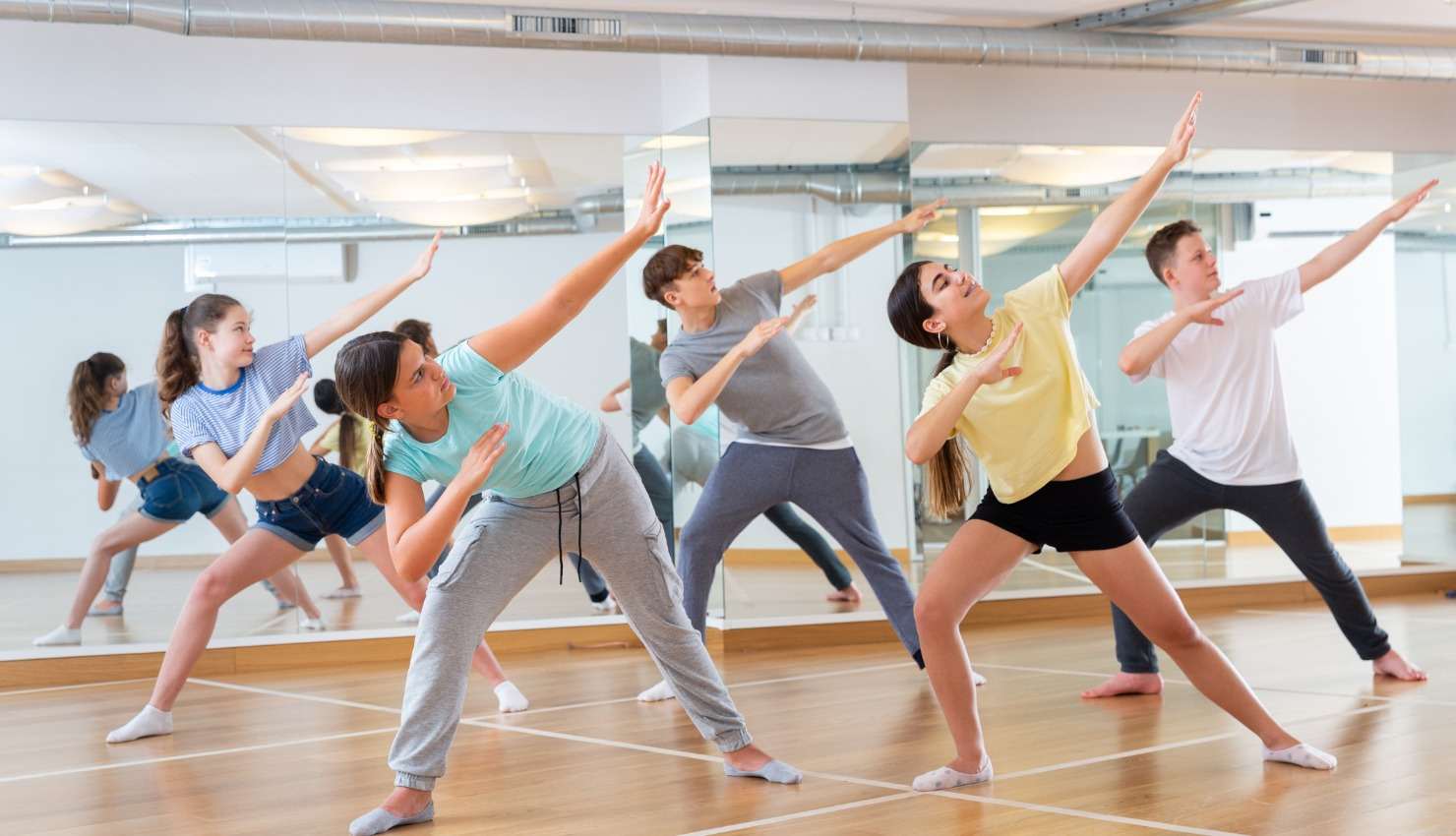
Posture and balance are the foundation of every great dancers technique. Whether you’re executing a pirouette or holding a développé, your alignment and control determine not only how graceful you look but also how safe and effective your movements are. This is where physiotherapy becomes a powerful ally.
Physiotherapy helps dancers build awareness, strength, and controlkey elements for improving posture and balance. Here’s how:
1. Assessing and Correcting Postural Alignment
Many dancers unknowingly develop poor postural habitslike an arched lower back, forward head posture, or uneven hip alignment. A physiotherapist performs a postural assessment to identify these deviations and their root causes.
? Benefit: Personalized correction plans that realign your spine, pelvis, and shoulders for optimal dance posture.
2. Strengthening Deep Stabilizing Muscles
Good posture and balance start from the inside out. Physiotherapists target core muscles, pelvic stabilizers, and deep spinal muscles to support upright, dynamic movement.
?? Focused work includes:
Transverse abdominis activation
Gluteal strength
Deep neck flexors and shoulder stabilizers
? Benefit: A stronger base that enhances control during turns, jumps, and extensions.
3. Improving Proprioception and Body Awareness
Dancers need to feel exactly where their bodies are in space. Physiotherapy enhances proprioceptionyour internal GPSthrough balance training, mirror feedback, and controlled movement drills.
? Benefit: Better coordination and precision in movement, especially during challenging choreography.
4. Enhancing Joint Mobility and Control
Stiff or unstable joints can throw off posture and balance. Physiotherapists work to mobilize tight areas (like hips or thoracic spine) and stabilize hypermobile joints, especially in the knees, ankles, and lower back.
? Benefit: Smooth, supported movement with reduced injury risk.
5. Training Balance Through Functional Exercises
To improve balance, physiotherapists use exercises that mimic dance movements and challenge your stability. These might include:
Single-leg work on unstable surfaces
Dynamic lunges and arabesque holds
Coordination drills using resistance bands or physio balls
? Benefit: Improved ability to maintain control during weight shifts, turns, and off-center choreography.
6. Addressing Muscle Imbalances and Asymmetries
Repetitive dance movements can create asymmetries (e.g., stronger on one leg or side). Physiotherapy helps balance the body through targeted strengthening and stretching.
? Benefit: More symmetrical movement and reduced risk of overuse injuries.
Quick Tips from a Physiotherapist for Better Posture & Balance
Practice Pilates or physio-led core routines to improve spinal support.
Use visual feedback (mirrors or video) to self-correct alignment during practice.
Incorporate balance work into your warm-up, not just your routine.
Stay consistent with strength and mobility training, even off-season.