Incorporating Physiotherapy into Your Dance Warm-Up Routine explores targeted strategies for recovery. Discover new paths to mobility, healing, and personalized care.

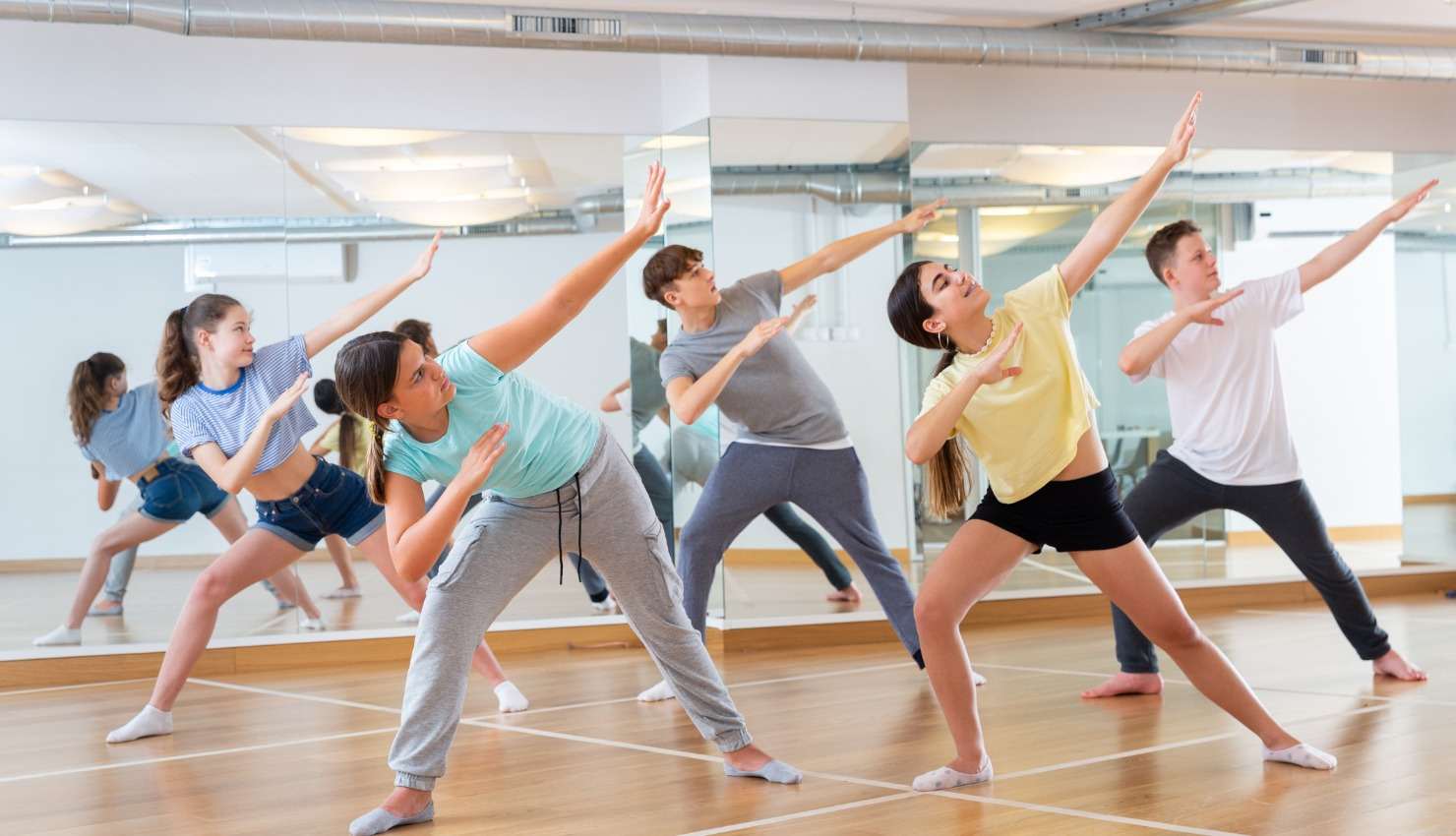
A proper warm-up is essential for dancersnot just to prepare mentally and physically for movement, but to prevent injury, improve performance, and promote long-term joint and muscle health. While traditional dance warm-ups include cardio and stretching, physiotherapy-based techniques can take your routine to the next level by focusing on mobility, neuromuscular control, and functional readiness.
Lets explore how physiotherapy principles can be seamlessly incorporated into your warm-upwhether youre heading into class, rehearsal, or a performance.
?? Why Include Physiotherapy in Your Dance Warm-Up?
Activates key stabilizing muscles (core, hips, ankles)
Improves joint mobility and alignment
Prepares the nervous system for complex movement
Reduces the risk of strain, overstretching, or compensatory injuries
Encourages mindful, body-aware practice
?? Components of a Physiotherapy-Infused Dance Warm-Up
A complete warm-up should progress from general to specific, low-intensity to high-intensity. Heres how to layer in physiotherapy techniques:
1. ????? Dynamic Movement Preparation (35 minutes)
Purpose: Increase blood flow, elevate heart rate, and gently mobilize major joints.
Physio Techniques to Include:
Arm circles, shoulder rolls
Leg swings (forward/back and side/side)
Cat-cow and standing spinal rolls
Gentle marching or skipping in place
?? Physio tip: Add thoracic rotations and hip openers to target commonly tight areas in dancers.
2. ?? Neuromuscular Activation (57 minutes)
Purpose: Wake up stabilizing muscles that protect joints during movement.
Physio-Inspired Exercises:
Glute bridges with band
Single-leg balance with toe taps
Transverse abdominis activation (deep core breathing)
Heel raises + foot doming (to activate arch muscles)
Monster walks or lateral band walks (for hip abductors)
?? Physio tip: Focus on quality over quantityslow, controlled movement activates small stabilizers.
3. ?? Joint Mobilization and Range of Motion (35 minutes)
Purpose: Gently increase mobility in hips, spine, ankles, and shoulders.
Try:
90/90 hip internal/external rotations
Ankle dorsiflexion mobilizations against a wall
Shoulder thread the needle stretch
Thoracic extensions over a foam roller or yoga block
?? Physio tip: Combine breathing with mobility to release tension and promote fluidity.
4. ?? Dance-Specific Functional Movements (57 minutes)
Purpose: Bridge the gap between general prep and choreography demands.
Suggestions:
Plies with core engagement
Relevés and tendus with postural control
Controlled developpés and battements
Turns in parallel or turnout with balance emphasis
Short phrase or improv movement to integrate warm-up gains
?? Physio tip: Focus on form, control, and symmetry. Use mirrors or feedback to correct alignment.
?? Sample 20-Minute Physiotherapy-Based Warm-Up for Dancers
Section Exercise Time
Dynamic Prep Leg swings, spinal rolls, marching 3 min
Activation Glute bridges, balance toe taps, band walks 6 min
Mobility Cat-cow, hip circles, thoracic twist, ankle rocks 4 min
Functional Dance Moves Plies, tendus, developpés, turns 7 min
?? Warm-Up Mistakes to Avoid
? Holding long static stretches before muscles are warm
? Rushing through without focusing on muscle engagement
? Ignoring one side of the body
? Skipping warm-up altogether when short on time
? Benefits of a Physiotherapy-Based Warm-Up
Increases proprioception and coordination
Reduces risk of common dance injuries (like ankle sprains, hip impingement, or back strain)
Promotes proper technique from the start of rehearsal
Enhances muscular efficiency and movement quality