Injury Prevention for Dancers explores targeted strategies for recovery. Discover new paths to mobility, healing, and personalized care.

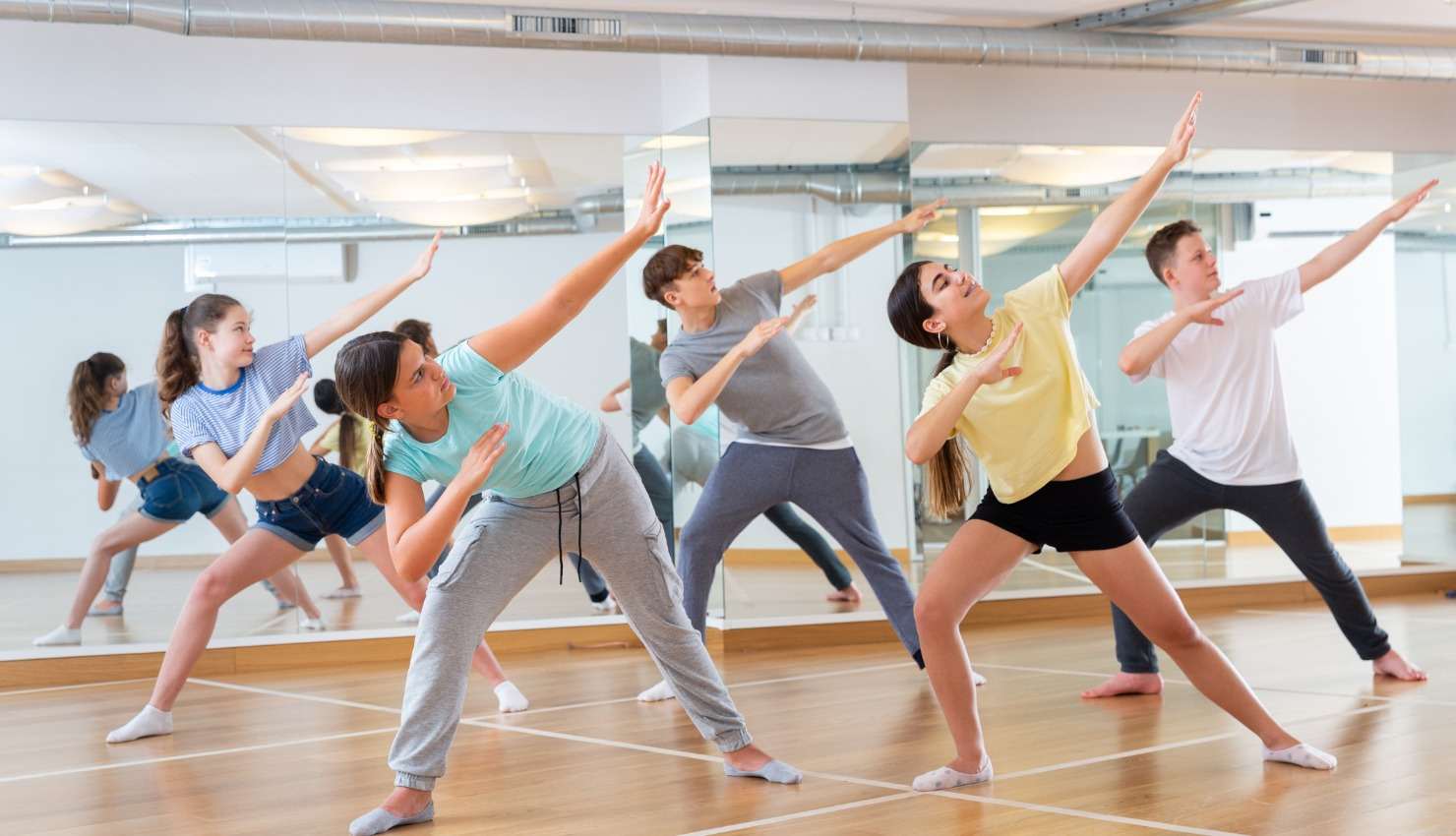
Whether you’re a ballet dancer, contemporary artist, or commercial performer, injuries can lead to:
Missed performances or auditions
Loss of training time
Long-term physical imbalances
Psychological stress and fear of reinjury
Prevention is not just a safety netit’s a performance enhancer.
?? How Physiotherapy Prevents Dance Injuries
? 1. Early Detection of Risk Factors
Physiotherapists are trained to spot the small imbalances that could become bigger problems:
Muscle weakness or tightness
Poor movement mechanics (e.g., turnout, landing technique)
Joint instability
Alignment issues
Asymmetrical strength or flexibility
?? Catching these early can prevent serious injuries down the line.
? 2. Customized Strength and Conditioning Programs
Dancers need both stability and mobility. Physiotherapists build individualized programs that target:
Core strength and pelvic stability
Lower limb endurance for jumps and turns
Hip and glute activation for turnout and alignment
Shoulder stability for expressive and partnering work
??? Stronger support muscles mean less load on joints and tendons.
? 3. Technique and Posture Correction
Poor form can lead to overuse injuries. A physiotherapist can help correct:
Pelvic tilt during arabesques
Over-pronation in feet
Hip hiking during développés
Incorrect spine alignment in port de bras
?? Proper technique = better efficiency and less strain.
? 4. Mobility and Flexibility Balance
Too much flexibility without control is risky. Physiotherapists help:
Maintain safe range of motion
Use active stretching techniques
Strengthen through the full range of movement
Address hypermobility with stabilizing exercises
?? Flexibility is only useful when supported by control.
? 5. Recovery and Load Management
Fatigue is a major contributor to injuries. Physiotherapy includes:
Education on rest and recovery
Monitoring training loads
Recovery sessions with soft tissue work, stretching, and active mobility
Planning around high-demand rehearsals and performances
?? Smart scheduling = sustained performance.
? 6. Warm-Up and Cool-Down Strategies
A tailored warm-up can activate key muscle groups and prepare joints for dynamic movement, while cooling down prevents stiffness and soreness. Physiotherapists teach:
Dynamic warm-up sequences
Joint-specific mobilization drills
Breathing and nervous system regulation
Post-class recovery techniques
?? Preparation is protection.
?? The Role of Regular Check-Ins
Preventive physiotherapy isnt a one-time thingits ongoing care. Regular sessions can:
Keep your technique sharp
Adjust training as your goals or roles change
Manage minor issues before they become major
Support your growth as both a performer and an athlete