Injury Recovery for Athletes explores targeted strategies for recovery. Discover new paths to mobility, healing, and personalized care.

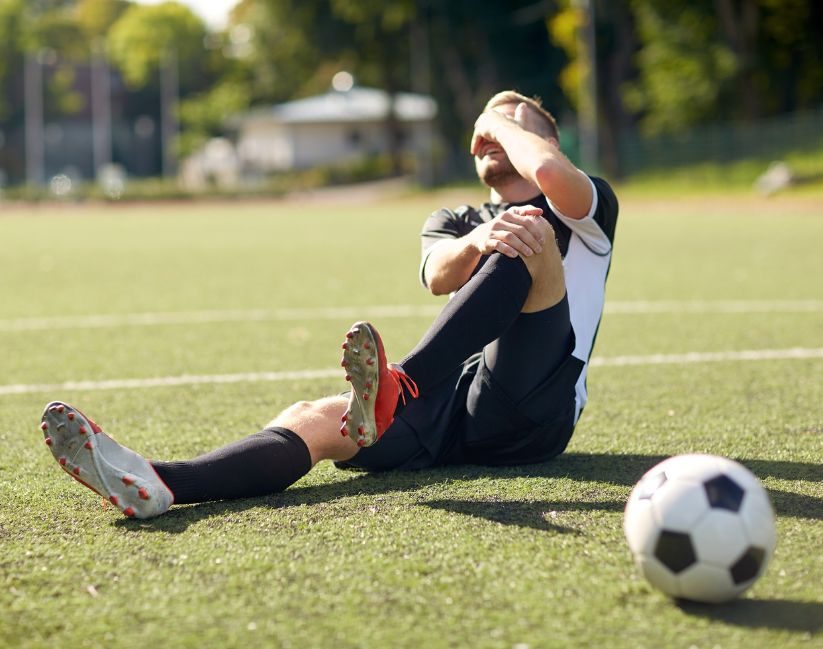
Injuries are an inevitable part of athletic life. Whether youre a weekend warrior or a professional athlete, the path from injury back to full performance can be challenging and complex. While every injury requires care, recovery that is tailored specifically to the athletes sport is critical for a successful and lasting return.
In this blog, well discuss why a sports-specific approach to injury recovery is so important, how it differs from generic rehabilitation, and the ways physiotherapy integrates this philosophy to help athletes heal smarter and faster.
The Unique Demands of Different Sports
Each sport places distinct physical demands on the body. The movements, muscles, and energy systems involved can vary widely between, say, a soccer player, a swimmer, or a cyclist. This means that injuriesalthough similar in typecan affect athletes differently depending on their sport and position.
For example:
A basketball player recovering from an ankle sprain needs to regain explosive jumping and lateral movement.
A cyclist with a knee injury focuses on pedaling mechanics and endurance.
A football player recovering from a hamstring strain requires rehab that emphasizes sprinting and tackling.
Generic rehab programs may address the injury site but often overlook these critical sport-specific demands.
What Does a Sports-Specific Injury Recovery Program Look Like?
A sports-specific recovery program goes beyond treating the injuryit prepares the athlete to return to the exact movements, forces, and stresses they will face in competition. Key features include:
Comprehensive Assessment:
Physiotherapists analyze the injury in the context of the sport, evaluating not just the injured tissue but the athletes overall biomechanics, fitness level, and movement patterns.
Tailored Exercise Prescription:
Rehabilitation exercises mimic the athletes sport-specific actions. For instance, agility drills for soccer players, stroke technique exercises for swimmers, or pedaling cadence work for cyclists.
Gradual Progression:
Recovery moves through phases, from pain management and gentle movement to strength building, neuromuscular control, and finally, sport-specific drills that prepare for game conditions.
Injury Prevention Focus:
Alongside recovery, physiotherapy addresses risk factors to reduce chances of re-injury, including muscle imbalances, poor technique, or inadequate conditioning.
Psychological Support:
Injury affects mental readiness. Sports-specific rehab often includes strategies to rebuild confidence and motivation, helping athletes overcome fear of reinjury.
Why Does This Approach Lead to Better Outcomes?
Faster Return to Play:
By targeting the specific demands of the sport, athletes regain necessary skills and strength more efficiently, reducing downtime.
Reduced Risk of Reinjury:
Addressing the unique stresses of an athletes sport helps fix underlying issues that may cause repeated injuries.
Improved Performance:
Athletes often return not just healed, but stronger and more aware of their bodies, translating to enhanced performance.
Holistic Care:
This approach considers the athletes entire body and lifestyle, making recovery comprehensive.
How Physiotherapy Drives Sports-Specific Recovery
Physiotherapists trained in sports medicine bring expertise in anatomy, biomechanics, and exercise science. They design programs that fit the individual athletes injury, sport, and goals.
Examples include:
Functional movement training specific to the athletes sport
Sport-specific strength and conditioning
Balance and proprioception drills tailored to sport demands
Coordination and reaction time work for quick decision-making in competition
Physiotherapists also educate athletes and coaches on load management, technique adjustments, and injury prevention strategies, creating a full-circle approach to care.
When Should Athletes Seek Sports-Specific Recovery?
Athletes should seek professional sports-specific rehabilitation as soon as an injury is diagnosed or suspected. Early and appropriate intervention minimizes complications, speeds healing, and lays a strong foundation for return to play.
Even minor injuries can benefit from this approach, preventing chronic problems down the line.
Final Thoughts
Injury recovery is more than just healing tissueits about restoring the athletes ability to perform at their best within their unique sport. Sports-specific physiotherapy offers a targeted, effective pathway that respects the demands of the athletes game, reduces reinjury risk, and supports long-term success.
If youre an athlete facing injury, partnering with a physiotherapist who understands your sports specific needs can be the difference between a quick, solid recovery and prolonged setbacks.