Is Physiotherapy the Key to Better Flexibility for Performers? explores targeted strategies for recovery. Discover new paths to mobility, healing, and personalized care.

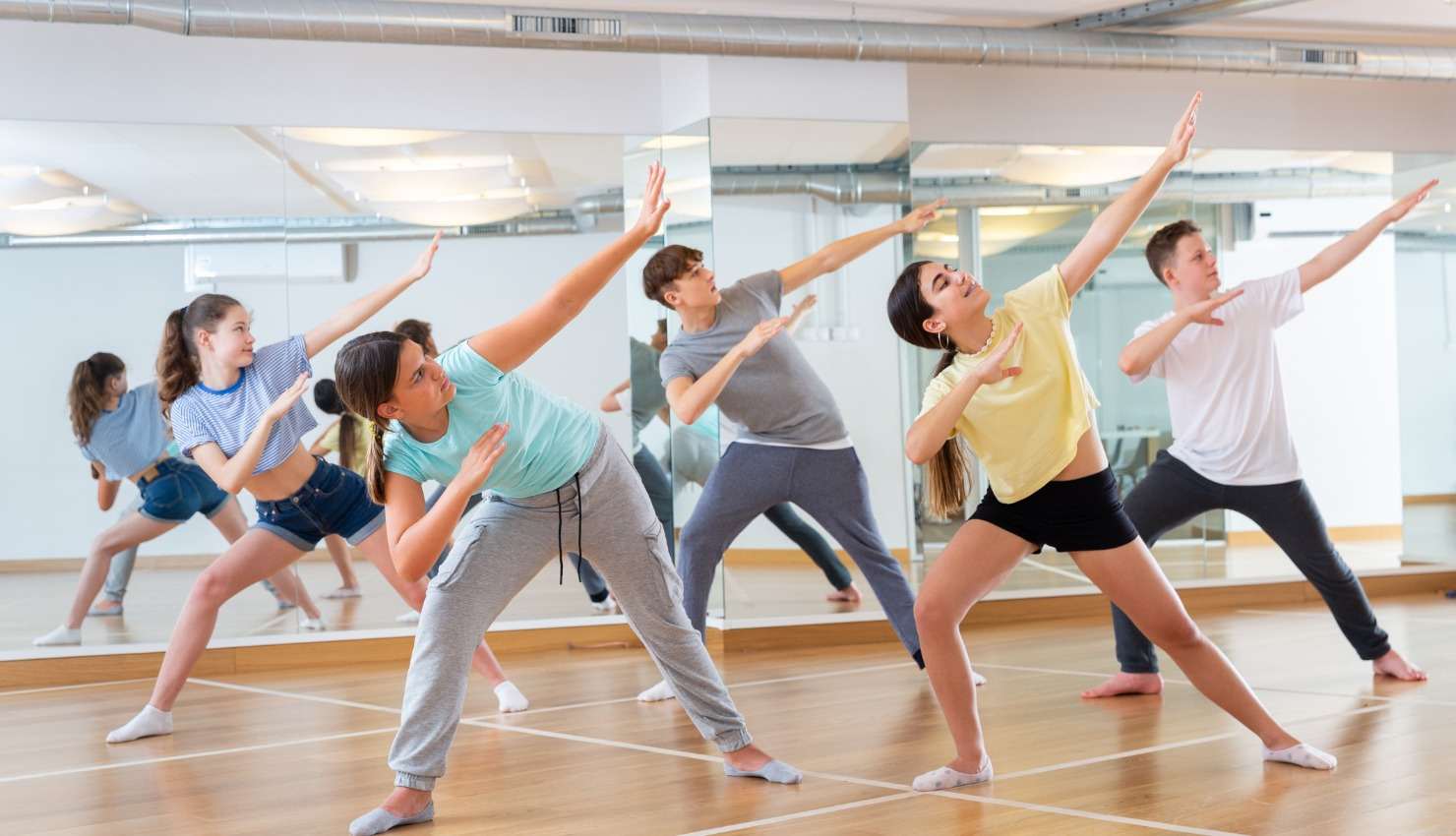
Flexibility refers to the ability of a muscle or muscle group to lengthen and allow a joint to move through its full range of motion (ROM). But in performance, mobility (control within flexibility) is just as important.
Physiotherapy focuses on both:
Passive flexibility (how far a joint can move when helped)
Active flexibility (how far you can move it on your own, with strength and control)
?? How Physiotherapy Improves Flexibility
Heres how physiotherapists help performers improve their flexibility in a safe, targeted, and sustainable way:
? 1. Individualized Assessment
Physiotherapists analyze your:
Joint restrictions
Muscle tightness or imbalances
Movement patterns and compensations
Current flexibility and control in key performance movements
?? Understanding where and why you’re limited allows for more effective, personalized treatment.
? 2. Manual Therapy Techniques
Hands-on techniques help release physical restrictions that traditional stretching cant address:
Myofascial release
Trigger point therapy
Joint mobilizations
Neural gliding (for nerve-related tightness)
?? These techniques improve tissue extensibility, circulation, and muscle responsiveness.
? 3. Dynamic Stretching and Functional Mobility Work
Physiotherapists move beyond static stretching to include:
Dynamic mobility drills (e.g., leg swings, active ROM work)
PNF stretching (contract-relax methods to safely lengthen muscle fibers)
Movement-based flexibility training that mirrors dance or performance skills
?? This leads to better control and range during actual movement sequences.
? 4. Strengthening Through Range
True flexibility must be supported by strength, especially at end range. Physios integrate:
End-range isometric holds (e.g., holding leg in a développé)
Eccentric strengthening (slow lowering through full range)
Core and stabilizer training to support controlled movement
?? Strong, flexible muscles reduce the risk of overstretch injuries and support better technique.
? 5. Postural and Alignment Correction
Often, poor posture or pelvic alignment limits flexibility. Physiotherapists help adjust:
Pelvic tilt
Spine position
Shoulder/scapular mechanics
Hip rotation balance
?? Optimized alignment improves access to full range without compensation or pain.
? 6. Injury Prevention and Load Management
Overstretching or pushing through pain leads to muscle tears, joint instability, and long-term issues.
Physiotherapists teach you:
How to progress flexibility training safely
When to rest vs. when to push
How to structure warm-ups and cool-downs for optimal tissue performance
?? Preventing injury is just as important as gaining flexibility.
????? Performers Who Benefit Most
Physiotherapy for flexibility is especially effective for:
Ballet and contemporary dancers
Gymnasts and rhythmic athletes
Circus artists and aerialists
Martial artists and figure skaters
Musical theatre performers
? Signs You May Need Physiotherapy for Flexibility:
Recurrent muscle pulls or strains
Plateaus in your stretching routine
Joint pain during or after stretching
Imbalance between sides (e.g., one split easier than the other)
Trouble maintaining balance or form in flexible poses