Is Physiotherapy the Key to Better Performance in Acro Dance? explores targeted strategies for recovery. Discover new paths to mobility, healing, and personalized care.

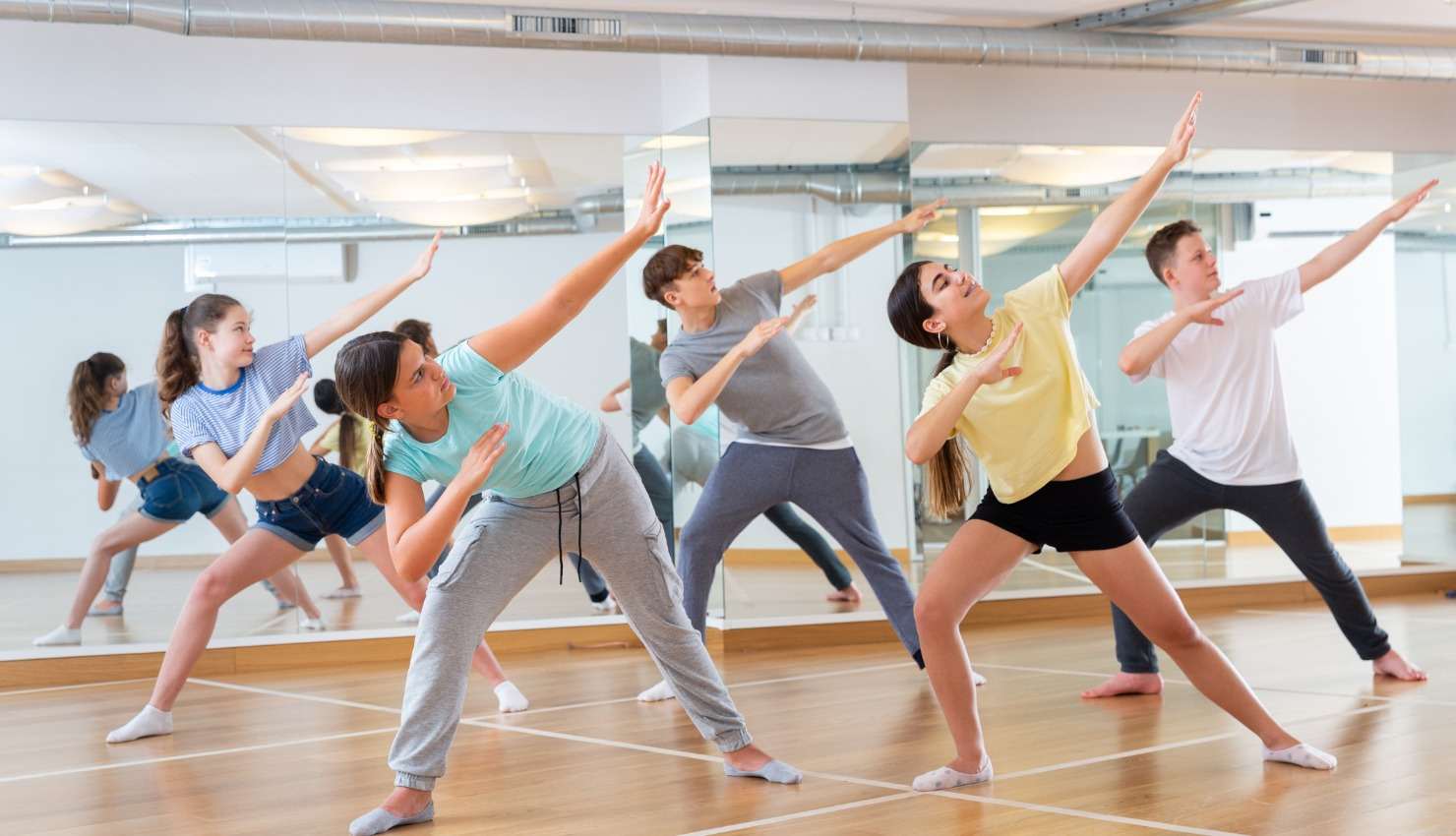
Improves Strength for Complex Movements
Acro dancers rely heavily on core, upper body, and lower body strength to execute skills like aerials, walkovers, and lifts. Physiotherapy helps:
Develop deep core and shoulder stability
Correct muscle imbalances between left and right sides
Build power in the legs and hips for explosive moves
? Result: More control in flips, stronger landings, and improved lift mechanics.
2. Enhances Functional Flexibility
Flexibility alone isnt enoughit must be active and controlled. Physiotherapists guide acro dancers through:
Dynamic mobility drills for safe flexibility gains
End-range strengthening to support overstretched joints
Safe progression plans to avoid overuse injuries (like back strain or hamstring tears)
? Result: Controlled extensions and contortion-based tricks with lower risk of overstretch injury.
3. Refines Balance and Proprioception
Balance is vital in skills like handstands, partner work, and inversions. Physiotherapy programs include:
Proprioceptive training (awareness of body position in space)
Balance drills on unstable surfaces
Vestibular exercises for dancers who struggle with dizziness during spins or flips
? Result: Sharper control in inversions and more confidence in partnering or solo tricks.
4. Prevents Injury from High Impact and Repetition
Acro dancers often train hard and frequently, making them prone to:
Wrist and shoulder overuse
Lower back pain from backbends
Knee or ankle impact injuries from tumbling
Physiotherapy helps:
Identify and correct faulty technique or posture
Teach injury prevention strategies (warm-ups, cooldowns, load management)
Provide early treatment before minor issues become major setbacks
? Result: More training days, fewer injuries, and long-term performance sustainability.
5. Supports Faster Recovery and Smarter Progression
Physios understand the specific demands of acro and can tailor rehab plans that:
Speed up recovery from strains or sprains
Maintain strength and flexibility while injured
Guide dancers back into training safely with a progression plan
? Result: Dancers return faster and smarteroften stronger than before.
6. Improves Technique Through Movement Analysis
A dance-specialized physiotherapist can analyze your acro technique and spot subtle problems in:
Alignment during back handsprings
Arm placement in aerials