Is Physiotherapy the Secret to Preventing Back Pain in Dancers? explores targeted strategies for recovery. Discover new paths to mobility, healing, and personalized care.

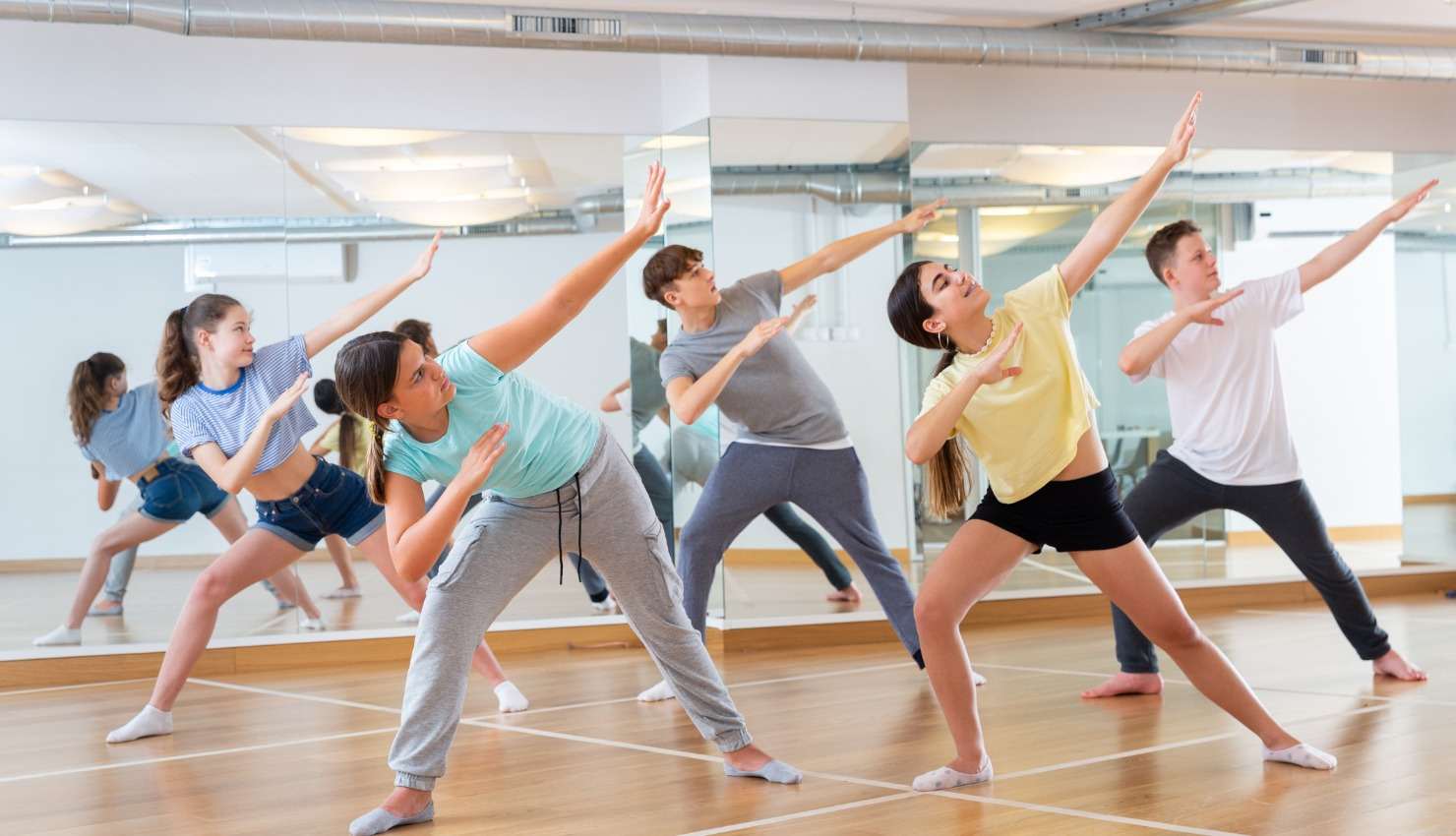
Is Physiotherapy the Secret to Preventing Back Pain in Dancers?
?? Why Dancers Often Suffer from Back Pain
Dancers rely heavily on the spine for fluid motion, aesthetic lines, and power. But this also places the back under constant stress due to:
Hyperextension during arabesques, backbends, and port de bras
Repetitive twisting and arching
Poor core engagement or pelvic instability
Tight hamstrings or hip flexors pulling on the lower back
Incorrect posture during lifting or long rehearsals
Overtraining with insufficient recovery
Even young or highly trained dancers can develop back pain if these imbalances arent addressed early.
? How Physiotherapy Helps Prevent Back Pain
1. ?? Identifies the Root Cause
Physiotherapists conduct a full-body assessment to evaluate:
Postural alignment
Core activation
Hip and thoracic spine mobility
Muscle imbalances or weaknesses
Movement mechanics during dance-specific motions
?? Back pain is often a symptom, not the problem. Physiotherapy finds and treats the source.
2. ?? Strengthens the Core and Supporting Muscles
Weak abdominals, glutes, or spinal stabilizers force the lower back to compensate.
Your physio will target:
Transverse abdominis and obliques
Multifidus and erector spinae
Pelvic floor and gluteal muscles
Scapular stabilizers
??? A strong support system means less strain on the spine during movement.
3. ????? Improves Flexibility and Mobility
Tight hips, hamstrings, or chest muscles can pull the spine out of ideal alignment. Physiotherapy includes:
Dynamic and static stretching routines
Myofascial release to loosen tight areas
Joint mobilizations for the lumbar and thoracic spine
Techniques to safely increase back extension and rotation
?? Balanced mobility ensures the back doesnt work harder than it should.
4. ?? Corrects Technique and Movement Patterns
Your physio may use dance-specific movement analysis to spot risky habits, such as:
Overarching during développé
Collapsing the core in grand pliés
Twisting from the low back instead of the thoracic spine
?? You’ll learn how to move efficientlyand protect your back in the process.
5. ?? Manages Early Pain and Prevents Progression
With early physiotherapy:
Minor stiffness can be resolved before it becomes injury
Inflammation can be treated with modalities like TENS or ultrasound
Youll get tailored advice on rest vs. activity
??? Timely intervention prevents small problems from becoming chronic pain.
?? Bonus: Lifestyle & Recovery Support
Dancers often skip proper recovery. Physiotherapy helps with:
Recovery routines post-rehearsal
Postural correction for sitting, sleeping, and standing
Cross-training advice to reduce repetitive stress
Education on body mechanics and load management
?? Good habits outside the studio are just as important as training inside it.
?? Signs You Should See a Physiotherapist
Persistent or recurring back discomfort
Pain with backbends, pliés, or lifting
Stiffness in the morning or after dancing
Discomfort when sitting or standing for long periods
Numbness or tingling down the legs (red flag!)