Joint Health explores targeted strategies for recovery. Discover new paths to mobility, healing, and personalized care.

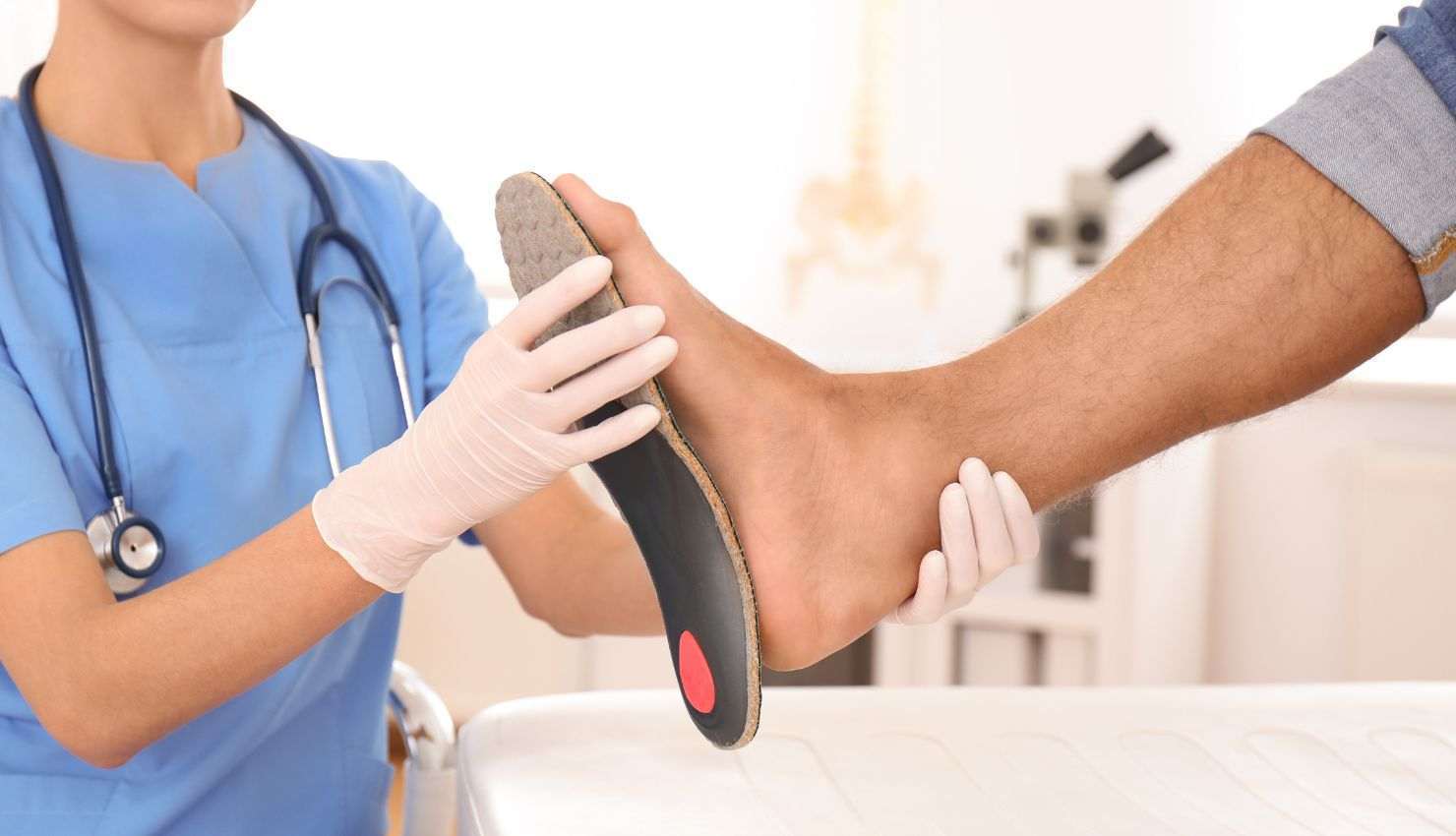
Your joints are the bodys essential hingesthey enable you to walk, lift, twist, bend, and reach. But like any mechanical part, joints can suffer from wear and tear over time, especially when they are overused, misaligned, or neglected. The good news is that you can prevent much of this damage through joint mobility and optimization, which form the foundation of long-term joint health.
Maintaining your joints isnt just about staying activeits about ensuring that every joint moves the way its supposed to, with strength, stability, and control. Physiotherapy helps you understand, restore, and preserve proper joint function, allowing you to prevent chronic pain, arthritis, and premature degeneration.
Understanding Joint Wear and Tear
Joint wear and tear refers to the breakdown of cartilage, inflammation of the joint capsule, and general degradation of joint tissues. This process can result in:
Osteoarthritis
Reduced range of motion
Persistent stiffness or swelling
Pain during movement
Loss of strength or joint function
While aging is a factor, wear and tear is often accelerated by:
Poor movement habits
Imbalanced muscle support
Repetitive strain
Joint misalignment
Sedentary lifestyle
Most of these causes are preventable with the right intervention.
Why Mobility and Optimization Matter
Mobility is the ability of a joint to move through its full range of motion.
Optimization involves improving how the joint functions within that rangeensuring proper mechanics, muscular support, and load distribution.
When these two elements are working together:
Joints glide smoothly instead of grinding
Muscles share the load evenly
Compensatory movements are reduced
Stress is minimized across cartilage and connective tissue
Over time, this protection prevents the microtrauma that leads to wear and tear.
How Physiotherapy Prevents Joint Degeneration
1. Early Detection of Dysfunction
Physiotherapists are trained to detect movement restrictions, imbalances, and misalignments before symptoms appear. Through:
Gait analysis
Posture screening
Joint testing
Muscle activation assessment
They identify the root causes of joint strain and create a plan to correct them.
2. Manual Therapy to Restore Movement
Hands-on joint mobilizations and soft tissue release techniques improve mobility and reduce stiffness. This relieves joint pressure and restores natural motion patterns.
3. Targeted Strengthening
Weak or underused muscles contribute to poor joint mechanics. Physiotherapists prescribe strength-building exercises to:
Stabilize the joint
Balance surrounding muscle groups
Protect the joint from repetitive strain
4. Education and Lifestyle Adjustments
Youll learn proper movement patterns for everyday activities like lifting, walking, or sitting. This minimizes cumulative damage over time.
Common Joints Affected by Wear and Tear (And How to Protect Them)
1. Knees
Problem: High load-bearing, prone to misalignment
Protection: Strengthen hips, improve ankle mobility, correct walking mechanics
2. Hips
Problem: Stiffness limits movement and shifts load to the spine or knees
Protection: Improve rotational mobility and glute strength
3. Spine
Problem: Prolonged sitting, poor posture leads to disc compression
Protection: Enhance thoracic mobility, core strength, and spinal alignment
4. Shoulders
Problem: Poor posture and overhead strain causes impingement
Protection: Mobilize shoulder blades, build rotator cuff stability
5. Ankles
Problem: Limited dorsiflexion affects balance and shock absorption
Protection: Improve range of motion and calf strength
How Joint Optimization Prevents Long-Term Damage
Joint optimization means your joints are:
Moving correctly within their natural alignment
Supported adequately by strong, balanced muscles
Controlled through stable, efficient movement patterns
This approach limits:
Abnormal wear on cartilage
Inflammation of the joint capsule
Overuse of surrounding ligaments and tendons
Degenerative joint changes
In other words, youre actively protecting your joints every time you move correctly.
Daily Strategies to Preserve Joint Health
You dont need to overhaul your lifesmall, consistent actions are enough to maintain mobility and prevent wear.
Move regularly Avoid prolonged sitting or standing in one position
Incorporate mobility drills Dynamic warm-ups and joint-specific stretches keep you loose
Lift smart Use your legs, keep your spine neutral, and avoid twisting under load
Strengthen key muscle groups Core, hips, shoulders, and feet provide vital joint support
Practice good posture At work, while walking, and during exercise
Listen to pain signals Address small aches before they become chronic injuries
Stay hydrated and eat joint-friendly foods Omega-3s, antioxidants, and collagen support joint health
When to Seek Help from a Physiotherapist
Consider visiting a physiotherapist if:
You feel stiff or restricted in movement
Your joints crack or pop with discomfort
Youve had past injuries that never fully resolved
Pain keeps returning during or after activity
You want to stay active and prevent future limitations
You dont need to wait for painprevention is the best form of protection.
Final Thoughts: Longevity Through Movement
Wear and tear may seem inevitable, but with the right strategy, its largely preventable. Joint health isnt about staying still to avoid injuryits about moving smartly, strengthening the right muscles, and keeping joints mobile and aligned.
Through mobility and optimization, you give your joints the best chance to stay healthy, functional, and pain-free for the long haul. Physiotherapy gives you the personalized tools to build resilience, avoid degeneration, and maintain a life full of movement.
Invest in your joints now, and theyll carry you with strength and comfort for decades to come.