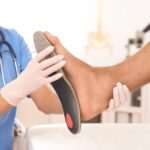
Joint Mobility explores targeted strategies for recovery. Discover new paths to mobility, healing, and personalized care.


When it comes to overall physical health and movement, joint mobility plays a foundational role that often goes unnoticeduntil problems arise. Whether you’re climbing stairs, reaching overhead, walking your dog, or simply getting out of bed, joint mobility is what allows these movements to happen with ease. Yet, most people don’t pay attention to their joints until pain, stiffness, or injury begins to interfere with daily life.
Joint mobility is the ability of a joint to move actively through its complete range of motion. Unlike flexibilitywhich refers to the stretch of muscles and connective tissuemobility includes control, strength, and coordination around a joint. Optimizing joint mobility means making sure your joints are not just flexible, but stable and functional.
In this blog, we explore why joint mobility matters, how it affects your bodys overall movement quality, and the most effective ways to improve itparticularly through physiotherapy.
Why Joint Mobility Matters
Every movement you make involves a combination of joints working together. When one joint is restricted or stiff, other parts of your body compensateoften leading to pain, overuse injuries, or reduced performance.
Here are some of the key reasons why joint mobility is important:
1. Efficient Movement
Healthy joints move smoothly and without resistance. Whether youre doing a squat or reaching overhead, good mobility ensures that the body moves the way its supposed towith balance, fluidity, and coordination.
2. Pain Prevention
Restricted joints create strain on surrounding muscles and tissues, often leading to chronic pain or tension. For example, limited ankle mobility can cause knee pain, and tight hips can lead to back problems. Mobility ensures proper joint alignment and load distribution.
3. Injury Risk Reduction
Stiff or immobile joints can cause faulty movement patterns. These compensations often overload muscles, tendons, or ligaments and increase the risk of both acute and overuse injuries. Improving joint mobility helps the body move safely under stress or load.
4. Postural Control
Joints affect alignment. Poor mobility in the spine, hips, or shoulders can compromise posture and lead to discomfort over time. Enhancing joint function supports a strong, upright, and balanced posture.
5. Performance Enhancement
Whether you’re lifting weights, playing sports, or engaging in daily tasks, mobility gives you access to your bodys full strength potential. Joints that move freely allow muscles to activate more efficiently and powerfully.
Common Joints Where Mobility Declines
As people age or become less active, mobility often declines in several key joints:
Hips: Essential for walking, sitting, bending, and squatting
Ankles: Critical for balance, gait, and impact absorption
Shoulders: Important for reaching, carrying, and overhead movement
Spine (especially thoracic region): Influences posture and upper body motion
Wrists and elbows: Vital for lifting, pushing, and gripping
If these joints are not mobile, they affect everything from athletic performance to simple movements like getting dressed or climbing stairs.
Signs of Poor Joint Mobility
You may be dealing with poor joint mobility if you experience:
Stiffness or limited movement when trying to stretch
Pain or discomfort during simple range-of-motion tasks
Clicking or grinding in the joints
Difficulty maintaining good posture
Trouble performing exercises with proper form
Ignoring these signs can lead to further compensation and injury over time.
How to Improve Joint Mobility
Improving joint mobility doesnt require extreme stretching or complicated routines. It involves a combination of consistent movement, targeted mobility exercises, and often physiotherapy guidance. Heres how you can start optimizing your joints:
1. Incorporate Daily Movement
Movement nourishes joints by stimulating synovial fluid, which lubricates and protects them. Even light activity like walking or cycling can prevent stiffness and promote healthy motion.
2. Perform Active Mobility Exercises
Unlike passive stretching, active mobility involves controlled movement through a joints range. Examples include:
Hip circles
Shoulder blade retractions
Thoracic rotations
Ankle dorsiflexion drills
These exercises train the joint to move more effectively while improving neuromuscular control.
3. Work on Muscle Balance
Tight or weak muscles can limit joint motion. For example, overactive hip flexors and weak glutes can compromise hip mobility. Strengthening underused muscles and lengthening tight ones restores balance around the joint.
4. Use Dynamic Stretching Before Activity
Instead of static stretches, use mobility drills as part of your warm-up. Movements like leg swings, arm circles, or deep squats prepare the joints and muscles for movement and reduce injury risk.
5. Practice Good Posture and Alignment
Poor posture can limit joint movement over time. Sit tall, stand aligned, and use ergonomic setups to reduce joint strain. Be mindful of how your daily habits affect your joint positioning.
6. Stay Hydrated and Eat Joint-Friendly Foods
Dehydrated tissues lose elasticity. Drink water consistently and include anti-inflammatory foods like fatty fish, leafy greens, berries, and nuts to support joint health.
Physiotherapys Role in Joint Mobility
A physiotherapist can assess your joint mobility, identify imbalances, and design a personalized plan to restore full function. Their approach may include:
Manual joint mobilizations to improve range and alignment
Stretching techniques for surrounding tissues
Corrective exercises to target mobility deficits
Postural and movement retraining to enhance control and prevent injury
Physiotherapy ensures youre not just gaining flexibility, but also stability and strength around each jointessential for long-term mobility.
Sample Daily Joint Mobility Routine
A short routine (1015 minutes) can dramatically improve mobility over time. Heres an example:
Hip 90/90 Switches Opens the hips and improves rotation
Cat-Cow Stretch Mobilizes the spine
Ankle Rockers Enhances dorsiflexion
Wall Shoulder Slides Promotes scapular control and shoulder range
Deep Bodyweight Squats Integrates multiple joint motions
Doing this daily or as part of your warm-up can create lasting improvements in joint mobility and movement quality.
Final Thoughts: Move Better, Feel Better
Joint mobility isnt about performing advanced yoga poses or extreme flexibility. Its about moving comfortably and confidently in your body every day. Whether you’re lifting a grocery bag, walking your dog, or enjoying an exercise class, optimal joint mobility allows you to move with less pain, less effort, and more joy.
The good news? Its never too late to improve your joint health. With the right habits and supportespecially from a physiotherapistyou can restore mobility, prevent injury, and stay active for life.
Prioritize your joints now, and your future self will thank you.