Keeping Your Body Healthy and Strong explores targeted strategies for recovery. Discover new paths to mobility, healing, and personalized care.

Injury Prevention
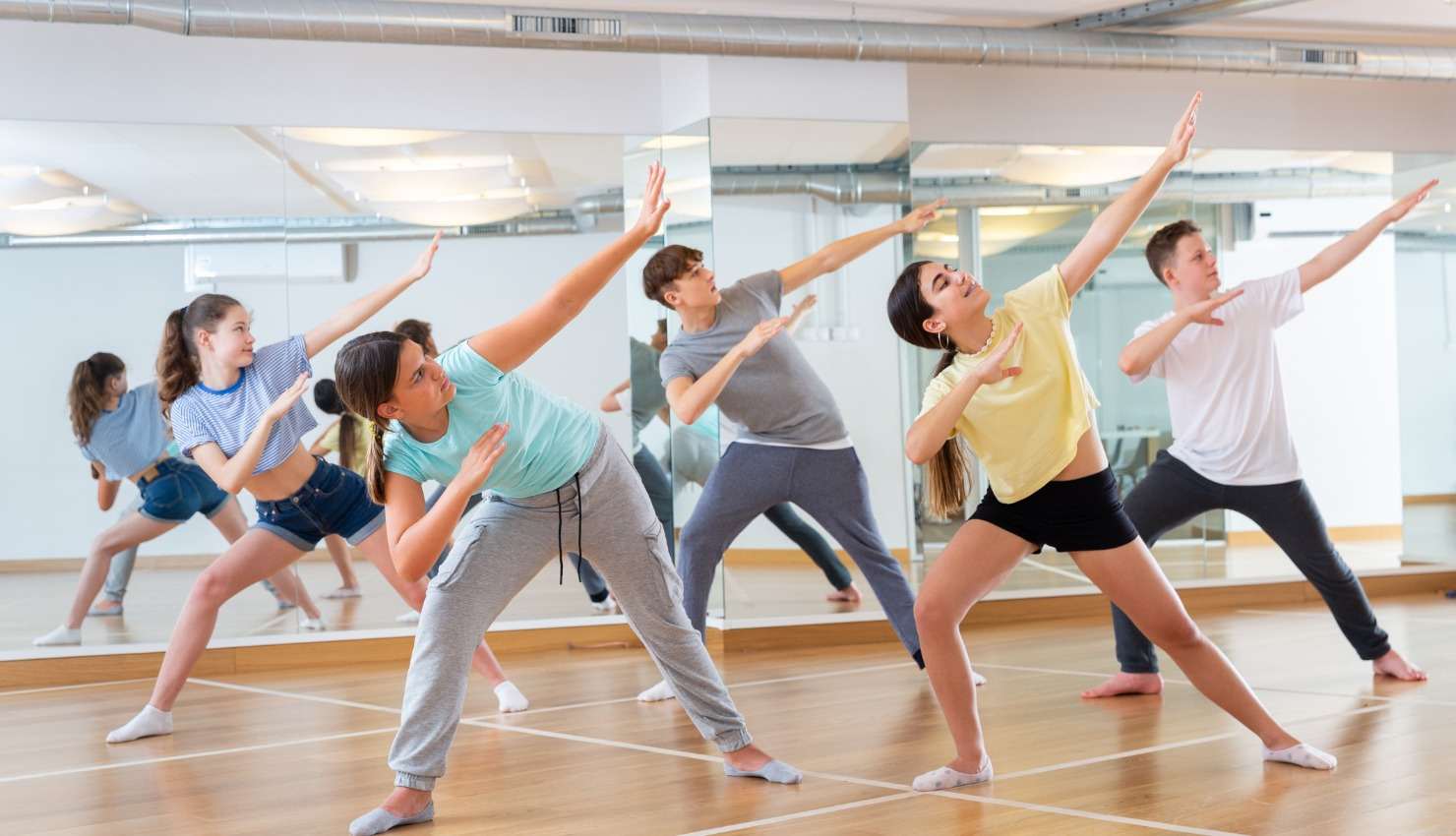
The repetitive movements, extreme joint ranges, and long rehearsal hours put dancers at risk of overuse injuries. Physiotherapists help prevent injuries by:
Identifying muscular imbalances or asymmetries
Correcting posture, alignment, and movement mechanics
Strengthening underused or stabilizing muscle groups
Providing tailored warm-up and cooldown routines
??? Proactive treatment helps dancers avoid common issues like tendonitis, stress fractures, and sprains.
?? 2. Supporting Technical Demands
Dance styles like ballet, contemporary, jazz, and acro demand:
Deep turnout from the hips
Strong core and spinal control
Precise balance and footwork
Physiotherapists guide dancers to:
Develop joint stability without sacrificing mobility
Improve control through range of motion (e.g., in extensions or arabesques)
Reinforce neuromuscular coordination for fluid, injury-free execution
?? The goal is to meet technical challenges without compromising body integrity.
??? 3. Targeted Injury Rehabilitation
When injuries do occur, physiotherapy offers a personalized path to recovery:
Addressing pain, inflammation, and mobility loss
Rebuilding strength and flexibility without re-injury
Using hands-on therapies (e.g., manual therapy, taping, dry needling)
Guiding a gradual return to dance, incorporating specific movements and choreography
?? Efficient rehab minimizes downtime and ensures safe reintegration into class and performance.
?? 4. Recovery and Muscle Maintenance
Intense training schedules can lead to fatigue and muscular tightness. Physiotherapy helps dancers:
Use massage, stretching, foam rolling, and myofascial release for recovery
Improve circulation and reduce post-performance soreness
Monitor for overtraining or burnout symptoms
Implement restorative exercises (Pilates, mobility flow, hydrotherapy)
? Recovery is essential for sustaining progress and preventing chronic pain.
?? 5. Enhancing Body Awareness and Performance
Physiotherapy helps dancers develop deeper body awareness by:
Teaching movement efficiency and mindful mechanics
Boosting proprioception and balance
Offering feedback on alignment and technique
Improved body awareness = improved artistry, confidence, and longevity on stage.
?? 6. Maintaining Balance Between Strength and Flexibility
Dancers often stretch excessively but neglect the stability needed to support extreme ranges. Physiotherapy restores balance by:
Strengthening key muscle groups (core, hips, ankles)
Stabilizing hypermobile joints
Promoting active flexibility (controlled movement through range)
?? The body needs both power and mobility to perform beautifully and safely.
?? When Should Dancers See a Physiotherapist?
After an injury or fall
If experiencing persistent pain or tightness
Before starting pointe work or a new dance style
During periods of high performance load
For regular assessments as part of a cross-training plan
?? Physiotherapy Is More Than Injury Care It’s Performance Care
Regular sessions with a dance-informed physiotherapist can:
Extend your dance career
Improve your technique
Keep your body resilient under pressure
Allow you to keep doing what you lovewithout pain