Maintaining Peak Performance as a Dancer explores targeted strategies for recovery. Discover new paths to mobility, healing, and personalized care.

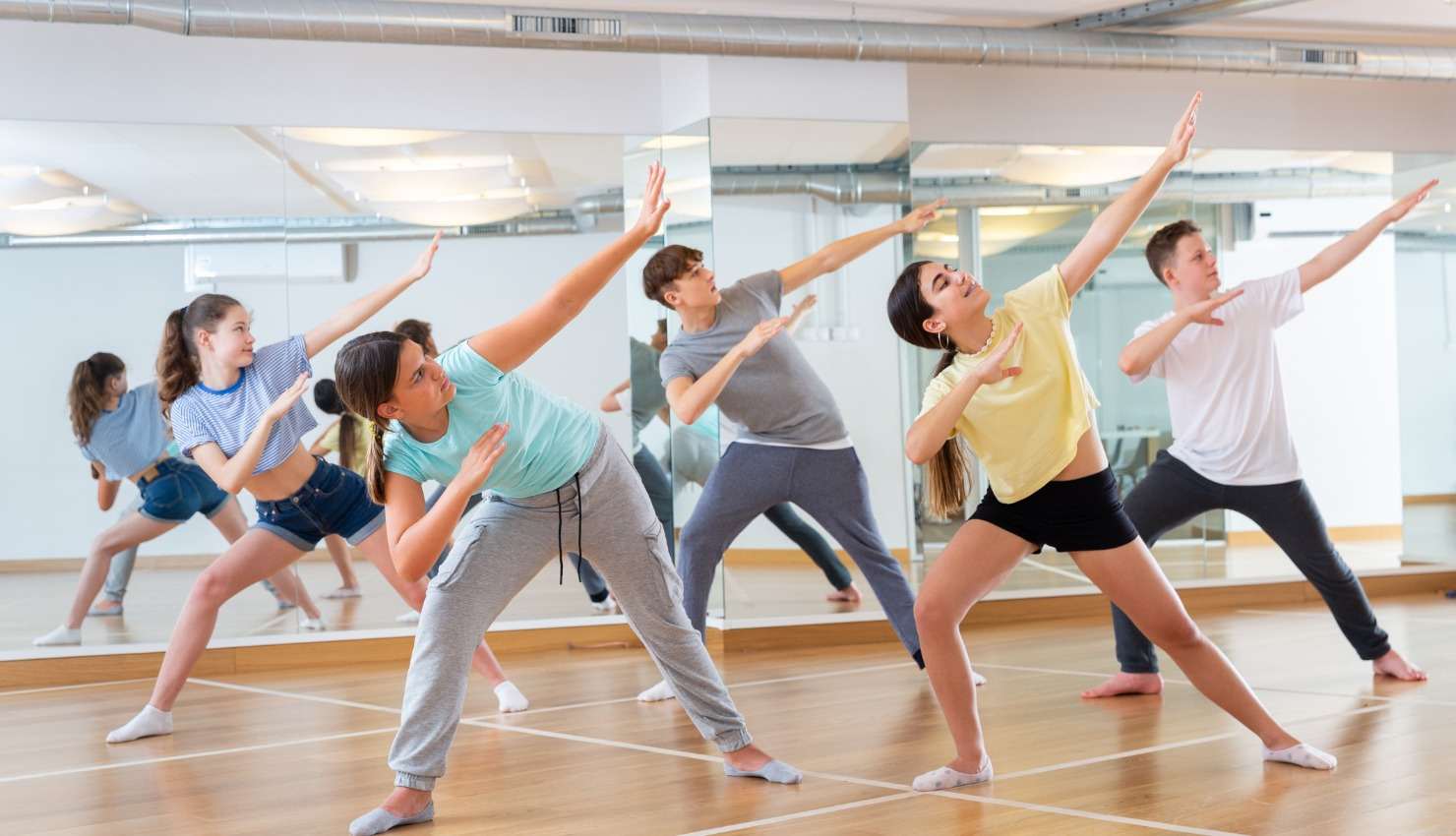
In the world of dance, every movement demands strength, precision, and grace. Behind the elegance on stage lies an intense physical commitmentoften comparable to that of elite athletes. To sustain peak performance and minimize the risk of injury, many dancers turn to an essential yet often underappreciated tool: physiotherapy.
Heres how physiotherapy plays a critical role in helping dancers stay at the top of their game:
1. Preventing Injuries Before They Happen
Dancers put repetitive stress on their muscles and joints, making them susceptible to overuse injuries. Physiotherapists perform detailed biomechanical assessments to detect muscular imbalances, poor alignment, or faulty movement patterns before they lead to problems.
? Benefit: Prevents common dance injuries like shin splints, tendinitis, and stress fractures.
2. Enhancing Flexibility and Range of Motion
Flexibility is vital for dancers, but overstretching without control can be dangerous. Physiotherapists guide dancers through safe, targeted stretching routines and manual therapy techniques to improve flexibility while maintaining joint stability.
? Benefit: Allows dancers to perform high kicks, deep pliés, and split jumps more efficiently and safely.
3. Building Strength and Stability
Peak performance requires more than flexibilityit requires control. Physiotherapists design conditioning programs to strengthen the core, hips, ankles, and shoulderskey areas that support complex movements and maintain alignment during performance.
? Benefit: Increases power, balance, and endurance on stage.
4. Aiding Recovery and Managing Fatigue
Dancers often rehearse for hours, leading to fatigue and tissue stress. Physiotherapy supports recovery using massage, dry needling, cold therapy, and guided stretching. These techniques reduce muscle soreness and promote faster healing.
? Benefit: Keeps dancers energized and ready for the next rehearsal or performance.
5. Correcting Technique and Movement Patterns
Even small technical faults can cause long-term issues. Physiotherapists use movement analysis and corrective exercises to help dancers refine their technique, improve alignment, and reduce compensatory habits.
? Benefit: Enhances performance quality and reduces inefficient movement.
6. Managing and Rehabilitating Injuries
When injuries do occur, physiotherapy ensures a structured, dance-specific rehab plan. From acute injuries like sprains to chronic conditions such as back pain or patellar tendinitis, physiotherapy helps dancers heal without losing their conditioning.
? Benefit: Faster return to dance with a reduced risk of re-injury.
7. Supporting Mental Confidence
Dancers often fear reinjury or loss of ability after time off. Physiotherapy provides reassurance through measurable progress and structured plans, helping dancers regain confidence in their bodies.
? Benefit: Restores trust in movement and boosts emotional resilience.