Managing Dance Injuries with Physiotherapy explores targeted strategies for recovery. Discover new paths to mobility, healing, and personalized care.

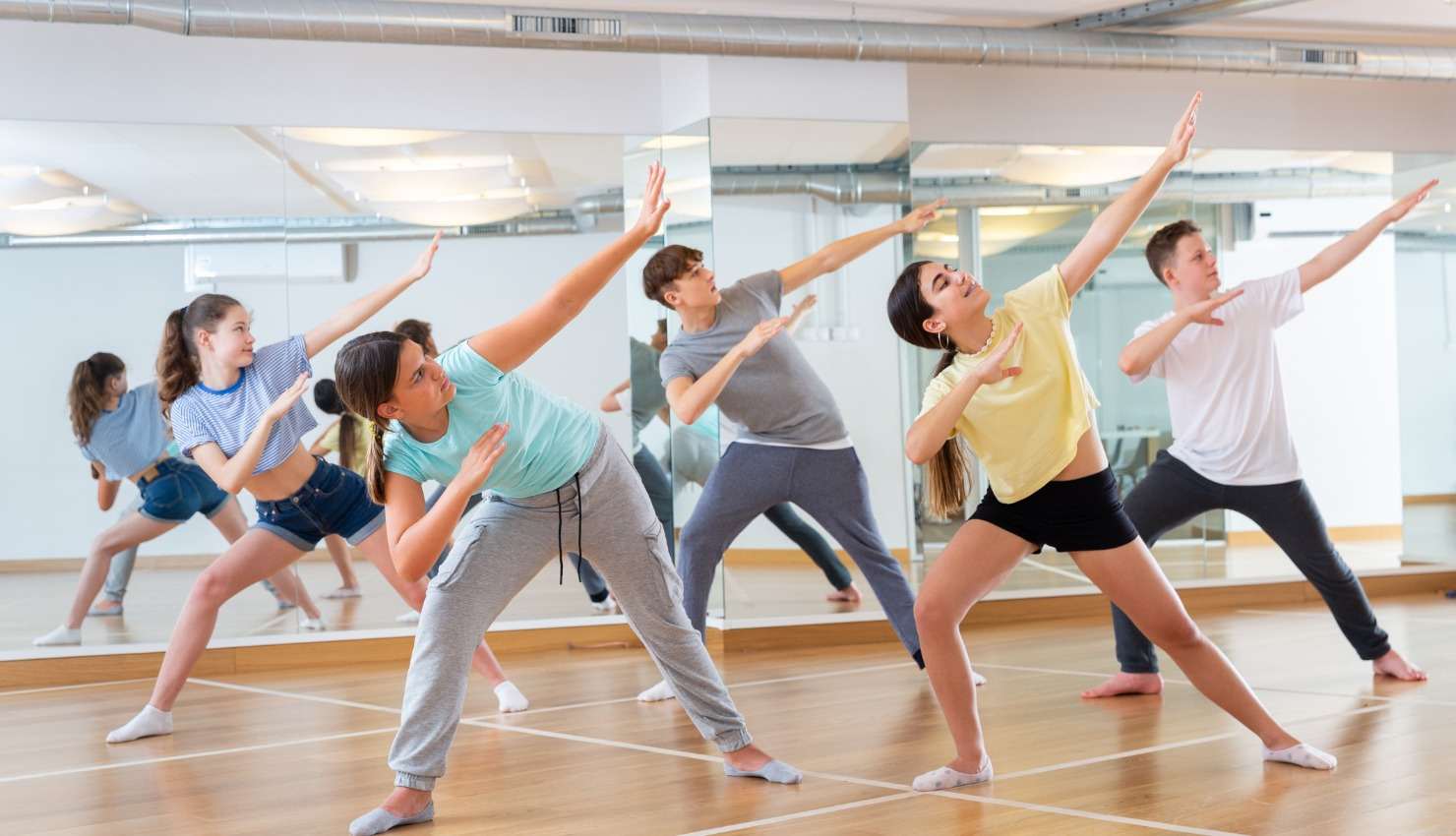
Dance is a physically demanding art form that requires exceptional strength, flexibility, coordination, and endurance. Whether you’re a professional dancer or a passionate hobbyist, injuries are a common part of the journey. Dance injuries can range from minor strains and sprains to more severe conditions like stress fractures, tendonitis, and joint injuries. Fortunately, physiotherapy is a highly effective way to manage and recover from dance-related injuries, helping dancers return to their passion safely and efficiently.
In this complete guide, we will explore how physiotherapy plays a vital role in managing dance injuries, from prevention to rehabilitation and beyond. Well also cover the most common injuries in dancers and how physiotherapy can help heal and prevent them.
Understanding Dance Injuries
Dance injuries can occur due to various factors, including repetitive movements, overuse, poor technique, improper footwear, and a lack of warm-up or cool-down exercises. Some injuries are acute, resulting from a sudden movement or impact, while others develop gradually over time due to repetitive strain.
Some common dance injuries include:
Sprains and Strains: Often occur when muscles or ligaments are overstretched or torn. Common in the ankle, knee, and lower back.
Tendinitis: Inflammation of a tendon due to overuse or repetitive movements, especially in the knees, shoulders, and Achilles tendon.
Stress Fractures: Tiny cracks in bones, usually caused by repetitive impact, commonly found in the feet, legs, and hips.
Bursitis: Inflammation of the fluid-filled sacs (bursae) that cushion joints, often affecting the hips, knees, or shoulders.
Plantar Fasciitis: Inflammation of the tissue along the bottom of the foot, causing heel pain.
Shin Splints: Pain along the shin bone, often caused by overuse or improper footwear.
Despite the variety of injuries, physiotherapy remains one of the most effective treatments for managing and preventing these conditions, helping dancers recover fully and return to their craft with minimal risk of re-injury.
How Physiotherapy Helps Manage Dance Injuries
Physiotherapy is a comprehensive approach that addresses the root cause of dance injuries and works toward healing, strengthening, and preventing further damage. Heres how physiotherapy can be beneficial in managing dance injuries:
1. Pain Management and Inflammation Reduction
When an injury occurs, inflammation and pain are often the first signs. Physiotherapists use various techniques to manage pain and reduce inflammation, providing immediate relief and promoting the healing process.
Cold Therapy: Ice packs are applied to the injured area to reduce swelling and numb pain, especially during the acute phase of injury.
Heat Therapy: After the inflammation has decreased, heat therapy can help relax the muscles, improve blood flow, and reduce stiffness.
Ultrasound Therapy: Sound waves are used to penetrate deep into tissues, increasing blood circulation and accelerating the healing process.
TENS (Transcutaneous Electrical Nerve Stimulation): Electrical impulses are applied to the skin to stimulate nerves and block pain signals to the brain.
These pain-relieving methods help manage discomfort and allow dancers to continue with their rehabilitation without experiencing unnecessary pain.
2. Restoring Movement and Flexibility
One of the key goals of physiotherapy in managing dance injuries is to restore full range of motion to the affected area. Stiffness and restricted movement often result from muscle tightness, swelling, or joint injury. Physiotherapists focus on restoring mobility through specific exercises and manual therapy.
Joint Mobilization: Gentle, controlled movements are applied to the joints to increase their range of motion and improve flexibility, particularly useful for hip, knee, and ankle injuries.
Stretching Exercises: Physiotherapists design tailored stretching programs to target tight muscles and fascia, ensuring the muscles regain their normal length and flexibility, allowing dancers to perform movements with ease.
Active and Passive Movements: A physiotherapist may guide dancers through active and passive range-of-motion exercises to encourage fluid and pain-free movement as they recover from injury.
Restoring flexibility is crucial for preventing stiffness that could affect dancing technique and posture.
3. Strengthening Muscles to Prevent Re-Injury
Weakness in certain muscle groups can cause imbalances, which may increase the risk of re-injury. Physiotherapists provide strengthening exercises that focus on specific muscle groups to promote muscle stability and prevent future injuries.
Targeted Strengthening Exercises: Physiotherapists use resistance bands, bodyweight exercises, or weights to target weakened muscles that are crucial for dance performance, including the core, legs, and upper body.
Core Stabilization: A strong core provides the foundation for better balance and alignment, which is essential for all dance movements. Physiotherapists include exercises like planks, bridges, and leg raises to build core strength.
Functional Training: Physiotherapists help dancers perform functional movements that mimic the actions required in dance, improving muscle strength, endurance, and coordination.
By strengthening key muscles, dancers can improve overall performance, reduce fatigue, and protect themselves from overuse injuries.
4. Improving Balance and Coordination
Injuries often disrupt a dancers ability to maintain balance and control during movements. Physiotherapy includes proprioception exercises, which help improve balance, coordination, and body awareness. This is crucial for dancers, as it prevents falls and missteps during performances.
Balance Training: Physiotherapists use exercises like single-leg stands, balance boards, or stability balls to enhance proprioception and improve balance in the injured area.
Posture and Alignment: Physiotherapists correct postural imbalances, ensuring that dancers maintain proper alignment during movements, which reduces the strain on muscles and joints.
Improving balance and coordination is crucial for dancers recovering from lower limb injuries, as it restores their ability to execute complex movements with control.
5. Correcting Posture and Movement Patterns
In many cases, dance injuries occur due to improper posture or movement patterns that place undue stress on the body. Physiotherapists assess a dancers posture and alignment, identifying areas of weakness or misalignment that may contribute to the injury. Through personalized exercises and corrective strategies, physiotherapists help dancers achieve optimal posture and movement patterns.
Posture Education: Physiotherapists teach dancers about correct body alignment during standing, walking, and performing various movements, helping them avoid muscle imbalances and joint strain.
Movement Re-education: Dancers are guided through techniques that encourage proper movement mechanics, such as using the right muscles for specific actions and avoiding compensatory movements that could lead to injury.
Correcting these issues ensures that dancers perform movements efficiently and without causing unnecessary strain on the body.
6. Injury Prevention Strategies
Once the dancer has recovered from an injury, physiotherapy is key to preventing future injuries. Physiotherapists provide ongoing education about how to care for the body, warm-up and cool-down routines, and how to perform stretches and exercises to maintain flexibility and strength.
Warm-up and Cool-down: Physiotherapists emphasize the importance of a proper warm-up before dance practice and cooling down afterward. This reduces the risk of injury and promotes quicker recovery.
Prehabilitation: Physiotherapists create customized prehabilitation programs designed to prevent injury before it occurs by addressing areas of weakness, poor flexibility, or poor technique.
Preventing injuries is just as important as rehabilitation in maintaining a dancers long-term health and performance.
Conclusion
Dance injuries, while common, dont have to hinder your passion for movement. Physiotherapy is a powerful tool for managing dance injuries, promoting recovery, and preventing future issues. Through pain management, restoring flexibility, strengthening muscles, improving balance, and correcting posture, physiotherapists ensure that dancers recover quickly and safely. Whether youre dealing with an acute injury or recovering from overuse, physiotherapy is an integral part of returning to the dance floor with confidence and strength.
If youre a dancer experiencing injury or discomfort, dont wait for the problem to worsen. Seeking physiotherapy treatment early can help you get back to dancing more efficiently, safely, and pain-free.
Tools