Absolutely! Lets talk foot painbecause when your feet hurt, everything hurts. From your morning walk to standing at work or even just relaxing at home, foot pain has a way of showing up and sticking around.

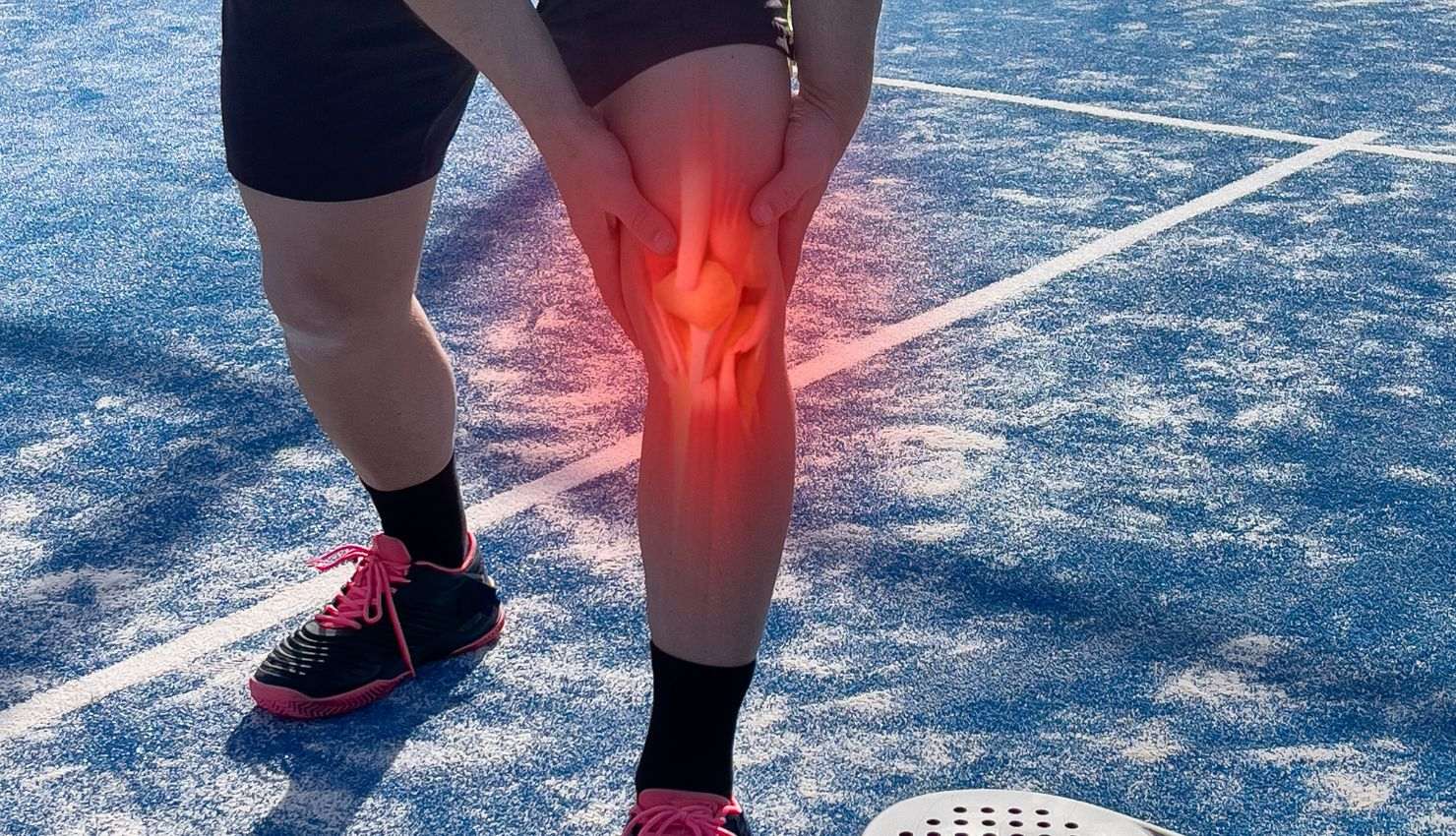
Absolutely! Lets talk foot painbecause when your feet hurt, everything hurts. From your morning walk to standing at work or even just relaxing at home, foot pain has a way of showing up and sticking around. But heres the good news: physiotherapy is one of the most effective, non-invasive ways to treat and manage foot pain at the root.
Lets break down how physiotherapy helps relieve pain, restore function, and keep you on your feetliterally!
?? What Causes Foot Pain?
Before diving into treatment, it helps to know whats causing the pain. Foot pain can come from a variety of sources, like:
Plantar fasciitis (heel pain or arch pain)
Achilles tendinopathy
Flat feet or high arches
Bunions, hammertoes, or other deformities
Arthritis or joint degeneration
Overuse injuries (common in runners or people who stand all day)
Post-surgical stiffness or nerve pain
Physiotherapists dont just treat the symptomsthey investigate the root cause, whether its biomechanical, muscular, or nerve-related.
??? How Physiotherapy Helps Manage Foot Pain
1. In-Depth Assessment
Your physio will look at:
Foot alignment, arch shape, and pressure points
How you walk, run, or stand
Joint mobility in the toes, ankle, and heel
Strength in the foot and surrounding muscles (like calves and hips)
Its a total body checkbecause foot pain can be caused by issues higher up the chain (yes, even your hips or back!).
2. Manual Therapy for Pain Relief
Physios use hands-on techniques to release tight or inflamed tissues:
Soft tissue massage to ease tension in the plantar fascia or Achilles
Joint mobilizations to improve movement in stiff toes or ankles
Myofascial release to help with chronic tightness and nerve pain
This can give instant relief and prepare the foot for rehab exercises.
3. Tailored Exercise Programs
Your physio will guide you through gentle, effective exercises like:
Toe curls and marble pickups to strengthen small foot muscles
Heel raises and calf stretches to support the arch and Achilles
Balance and proprioception work (like standing on one foot)
Foot rolling and mobility drills for better flexibility
These build strength and stability where you need it mostso you move without pain.
4. Gait & Posture Correction
Often, foot pain comes from how you walk. If youre rolling too far inward (overpronating) or outward (supinating), it puts strain on the wrong areas. Your physio might:
Use video gait analysis to assess your movement
Suggest form corrections or cue better walking patterns
Recommend orthotics or shoe inserts if necessary
The goal? Efficient, pain-free movement with every step.
5. Pain-Relief Techniques
To calm inflammation and soothe pain, physios might include:
Ice therapy
Ultrasound treatment
TENS (electrical stimulation)
Dry needling for chronic trigger points
These are especially useful during flare-ups or in early treatment stages.
6. Education on Footwear & Lifestyle
Physiotherapy goes beyond the clinic. Your therapist will help you:
Choose the right footwear for your foot type and activity level
Understand what activities to modify or avoid temporarily
Learn home pain management strategies
This means youre not just treating the problemyoure preventing it from coming back.
?? How Long Until You Feel Better?
Foot pain recovery varies depending on the cause. Some people feel relief in a few sessions, especially with conditions like plantar fasciitis. Others, especially those with chronic pain or post-surgical recovery, may need a longer rehab plan. But with consistency and guided care, most people regain comfort and confidence on their feet.
? Final Thought
Your feet carry you every daydont let pain slow you down. With physiotherapy, you get a complete, customized approach that restores strength, reduces inflammation, and teaches you how to move better for life.