Play hard, heal smart. If your thumbs ache after a long gaming session—like really ache—you might be dealing with something called Gamer’s Thumb. Also known as De Quervain’s Tenosynovitis (sounds…

Play hard, heal smart.
If your thumbs ache after a long gaming session—like really ache—you might be dealing with something called Gamer’s Thumb.
Also known as De Quervain’s Tenosynovitis (sounds intense, right?), this condition is surprisingly common among gamers, mobile app users, and anyone who spends hours gripping a controller or swiping on a screen. It’s not just a nuisance—it’s your body throwing up a warning sign.
But here’s the good news: Physiotherapy is one of the most effective ways to treat and manage Gamer’s Thumb, and even better—prevent it from coming back.
🧠 What Exactly Is Gamer’s Thumb?
Gamer’s Thumb is inflammation of the tendons in your wrist and thumb—specifically the abductor pollicis longus and extensor pollicis brevis. These tendons run along the side of your wrist and allow your thumb to move outward and upward—think of all that joystick flicking and button mashing.
Common symptoms include:
Pain on the thumb side of the wrist
Swelling and tenderness
Difficulty gripping or pinching
Sharp pain when moving your thumb away from your hand
If left untreated, it can worsen to the point where even lifting a coffee cup feels like a boss fight.
🧑⚕️ How Physiotherapy Can Help
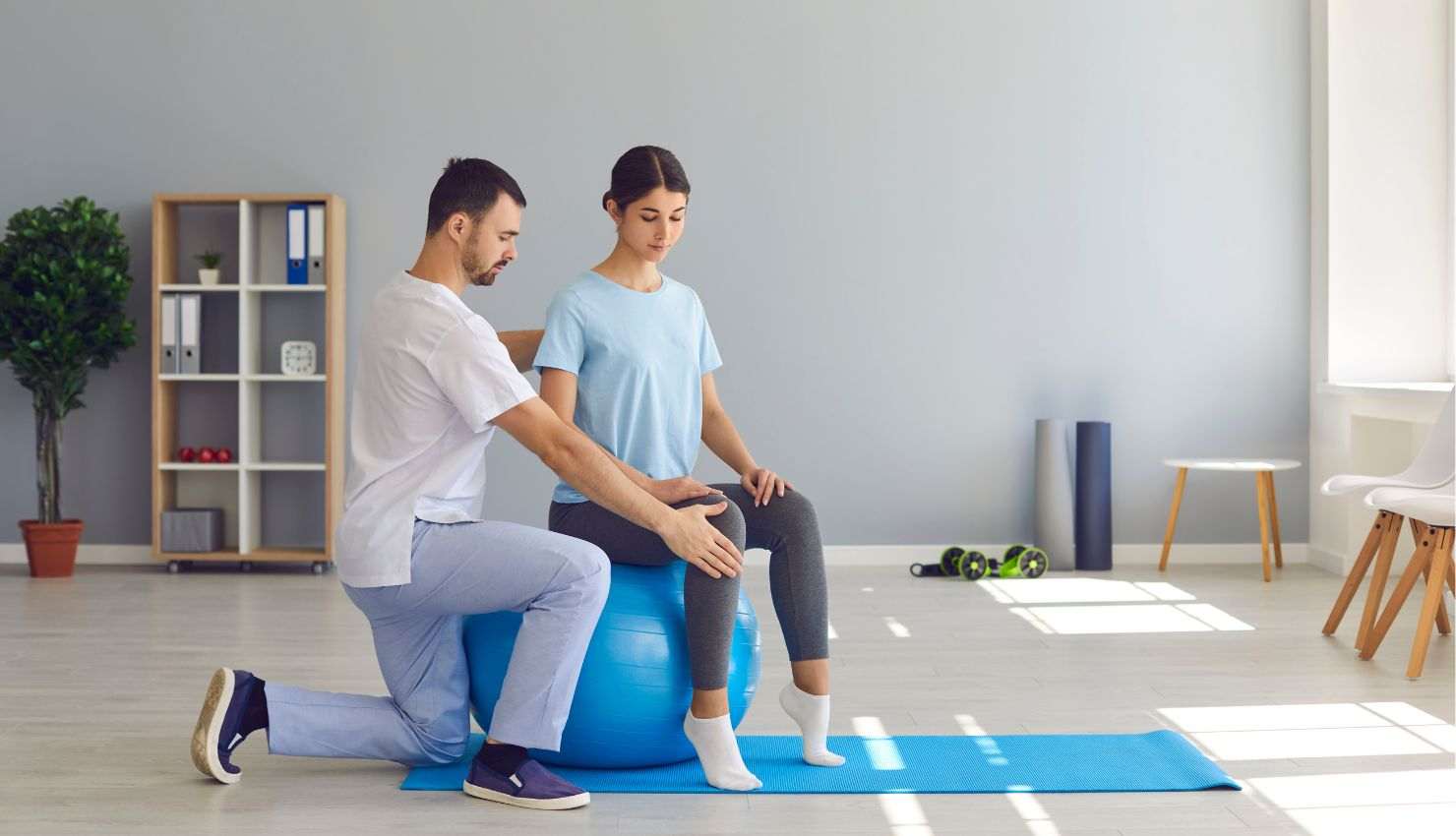
Physiotherapists are pros at dealing with overuse injuries like Gamer’s Thumb. Here’s how they help you manage and recover:
✅ 1. Pain & Inflammation Management
The first step is calming the area down:
Rest & activity modification: No, this doesn’t mean quitting games—just cutting back or using ergonomic tools.
Cold therapy: Ice packs help reduce swelling.
Compression wraps or splints: To offload stress from the thumb during flare-ups.
🎮 Pro tip: Consider using a thumb support brace during longer gaming sessions.
✅ 2. Manual Therapy
A physiotherapist may use techniques like:
Soft tissue massage to release tight tendons
Joint mobilizations to improve wrist/thumb movement
Ultrasound or taping for inflammation control
This hands-on work helps reduce pain, improve circulation, and speed up healing.
✅ 3. Stretching & Mobility Exercises
Once the pain starts to ease, mobility is the next quest.
Try these simple stretches:
Thumb Flexor Stretch
Hold your arm out, palm up.
Gently pull your thumb down and back using the opposite hand.
Hold for 20 seconds.
Wrist Side Stretch
Thumb up, bend wrist to the side gently (toward your pinky).
You should feel a stretch near the thumb base.
Hold for 15–20 seconds, repeat 3 times.
✅ 4. Strengthening the Right Muscles
Your physio will teach you safe, progressive exercises to build resilience in the affected tendons. These might include:
Thumb lifts (lifting your thumb while the hand is flat on a table)
Rubber band resistance (expanding your thumb away from fingers)
Grip training with putty or a soft ball
💪 Strengthening helps prevent future flare-ups and lets you game longer without pain.
✅ 5. Ergonomic Adjustments for Prevention
If you don’t change how you game, the pain will likely come back. A physiotherapist will also help you:
Adjust grip technique (especially on mobile or handheld consoles)
Take structured breaks between sessions
Use accessories like thumb sleeves, controller grips, or wrist rests
Improve wrist posture while playing
🛠️ Small changes to your gear or setup can make a massive difference.
📅 Recovery Timeline & When to See a Pro
With proper physiotherapy and home care:
Mild cases often improve within 2–4 weeks
Moderate to severe cases may take 6–8+ weeks with ongoing therapy
If your pain gets worse, spreads, or doesn’t improve with rest—book a physiotherapy session ASAP. Early treatment = faster recovery.
🎯 Final Thoughts: Don’t Let Thumb Pain Pause Your Game
Gamer’s Thumb is common, but it’s totally manageable. With the right physiotherapy approach, you can reduce pain, restore function, and get back to doing what you love—without fear of injury.
So stretch, strengthen, take breaks, and above all: listen to your thumbs. They’re on your team.