Managing Hormonal Discomfort During Menstruation with Physiotherapy explores targeted strategies for recovery. Discover new paths to mobility, healing, and personalized care.

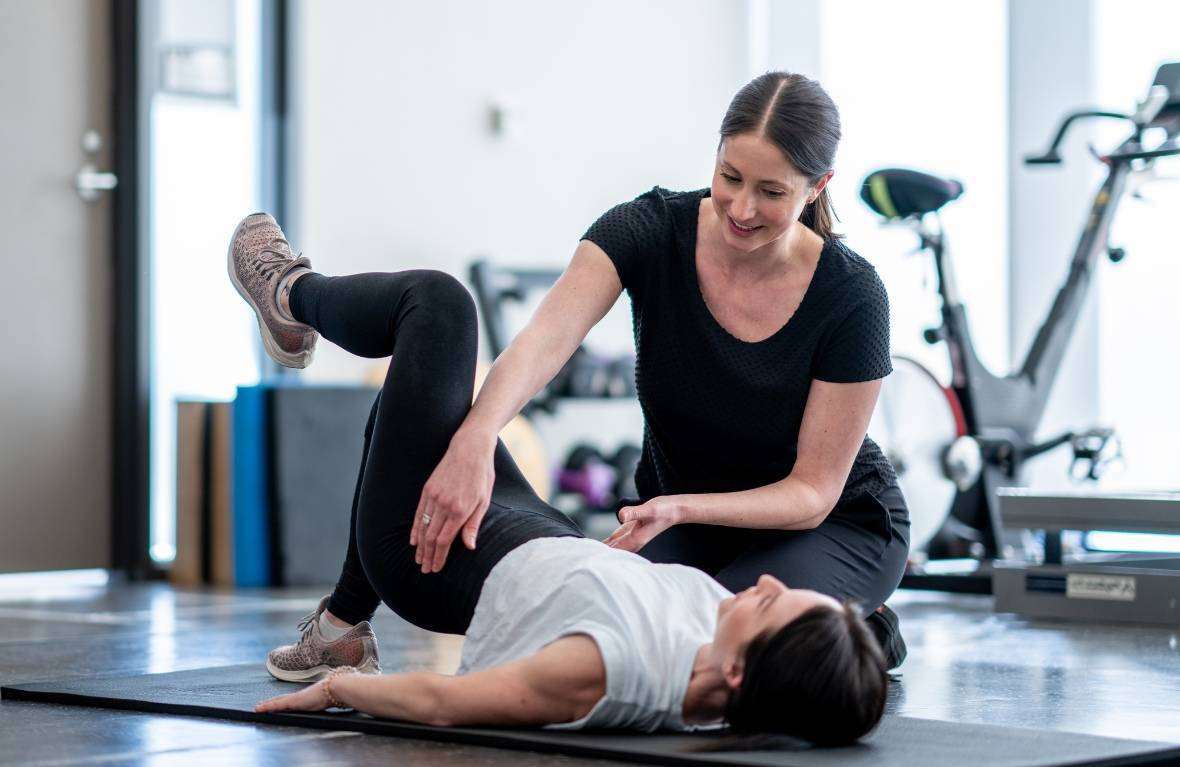
Menstruation can bring a variety of uncomfortable symptomsfrom cramps and bloating to mood swings and fatiguethat disrupt daily life for many. While pain relief medications are commonly used, physiotherapy offers an effective, natural approach to managing these symptoms and improving overall menstrual health. Through targeted techniques and personalized care, physiotherapy helps you move through your cycle with greater ease and comfort.
Common Hormonal Discomforts During Menstruation
Hormonal changes during menstruation, especially fluctuations in estrogen and progesterone, can cause a range of symptoms, including:
Abdominal cramps and pelvic pain
Lower back pain
Headaches and migraines
Fatigue and low energy
Mood swings and irritability
Bloating and digestive discomfort
These symptoms often lead to missed workdays, reduced activity levels, and emotional strain.
How Physiotherapy Helps Alleviate Menstrual Discomfort
Physiotherapy addresses the root causes of menstrual pain and hormonal discomfort through multiple approaches:
1. Manual Therapy to Relax Muscles and Reduce Pain
Manual techniques such as soft tissue massage and myofascial release ease tight muscles in the pelvic region, lower back, and abdomen, reducing cramping and pain.
2. Pelvic Floor Rehabilitation
Hormonal changes can affect pelvic floor muscles, leading to tension or weakness. Physiotherapy strengthens and relaxes these muscles, improving support and decreasing pain during menstruation.
3. Exercise Prescription for Symptom Relief
Gentle stretching, yoga, and low-impact aerobic exercise increase blood flow and release endorphins, which act as natural painkillers and mood boosters.
4. Postural Assessment and Correction
Poor posture can worsen menstrual pain by adding strain to the lower back and pelvic muscles. Physiotherapists assess posture and provide corrective exercises to alleviate this strain.
5. Breathing and Relaxation Techniques
Stress and tension can exacerbate menstrual discomfort. Physiotherapy incorporates breathing exercises and guided relaxation to reduce muscle tension and promote calm.
Additional Physiotherapy Benefits for Menstrual Health
Improves circulation and lymphatic drainage to reduce bloating
Enhances sleep quality through relaxation methods
Supports hormonal balance by encouraging regular physical activity
Empowers you with education on managing symptoms naturally
Why Choose YourFormsUX for Menstrual Physiotherapy?
YourFormsUX in Canada specializes in womens health physiotherapy, offering compassionate, personalized care for menstrual discomfort. Our experts tailor treatments to your unique needs and cycle, helping you regain comfort and confidence throughout your period.
Final Thoughts
Menstrual discomfort doesnt have to be a monthly ordeal. With the right physiotherapy interventions, you can significantly reduce pain, improve mobility, and enhance your emotional wellbeing. By addressing both the physical and hormonal aspects of menstruation, physiotherapy provides a holistic path to better menstrual health.
Take control of your menstrual discomfort naturally. Contact YourFormsUX today to schedule a consultation and discover how physiotherapy can support your cycle.