Managing Hormonal Health Through Physiotherapy for Women explores targeted strategies for recovery. Discover new paths to mobility, healing, and personalized care.

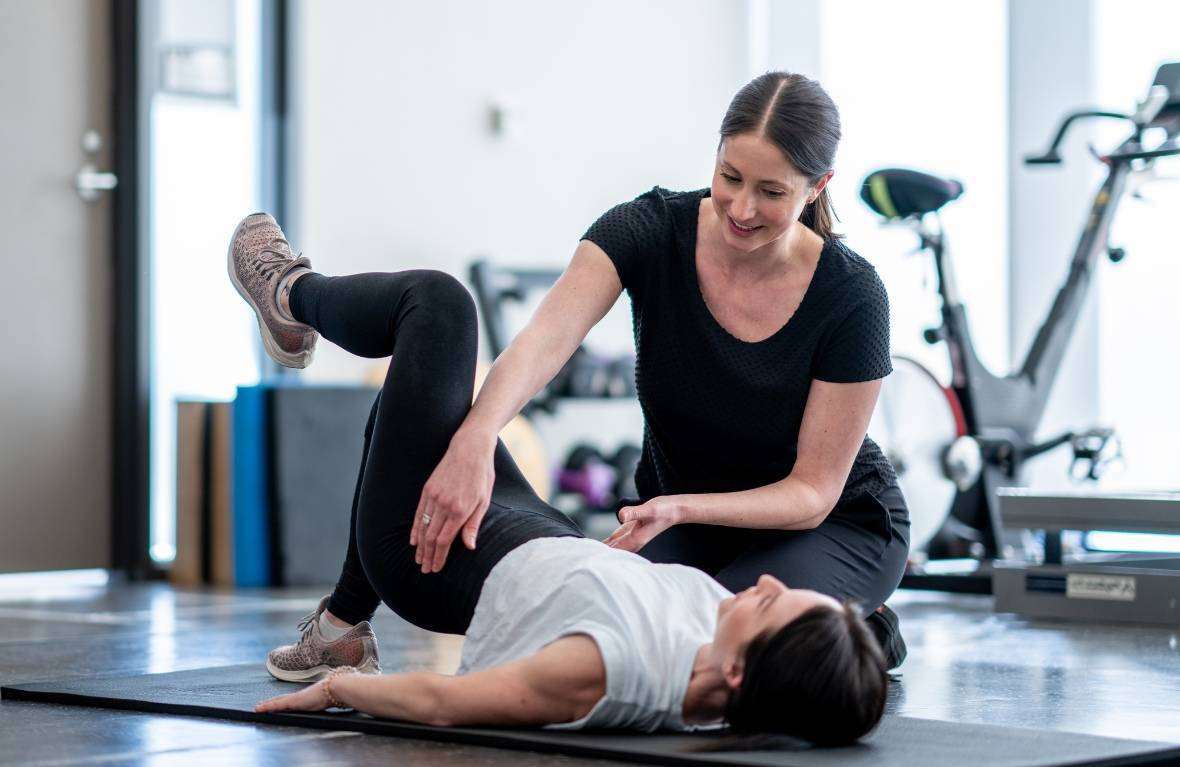
Hormonal imbalances are common among women at various stagespuberty, menstruation, pregnancy, postpartum, perimenopause, and menopause. These shifts can lead to symptoms like fatigue, weight fluctuations, mood changes, pelvic pain, and disrupted sleep. Fortunately, physiotherapy offers a powerful approach for women seeking natural, effective strategies to manage hormonal health and reclaim their wellbeing.
This comprehensive guide explores how physiotherapy supports hormonal balance, improve symptoms, and enhance overall quality of life. We’ll dive into targeted exercises, specialized techniques, and evidence-based strategies designed to support women through hormonal transitions.
Why Hormonal Health Matters
Hormones like estrogen, progesterone, and cortisol regulate vital processesfrom metabolism and mood to reproductive function and bone health. When these hormones are out of sync, women may experience:
Irregular periods
Hot flashes
Pelvic floor dysfunction
Low energy or fatigue
Digestive issues
Sleep disturbances
Anxiety or mood swings
Weight gain or loss
At YourFormsUX in Canada, we emphasize a holistic approachpositively impacting hormonal health through physiotherapy for women.
Physio Supports Hormonal Wellness: How It Works
1. Pelvic Floor Rehabilitation:
The pelvic floor muscles are deeply connected to hormonal cycles. Physiotherapists use biofeedback and gentle strengthening exercises to alleviate menstrual cramps, pain during intercourse, and urinary incontinenceall symptoms frequently tied to hormonal fluctuations.
2. Tailored Core and Alignment Training:
Hormone shifts can weaken core muscles and alter posture. A precise physiotherapy assessment identifies imbalances and guides corrective exercises. Improved core function, better posture, and reduced back pain support overall hormonal wellness.
3. Stress Reduction and Relaxation Techniques:
Chronic stress spikes cortisol, throwing other hormone levels off. Techniques like guided breathing, mindfulness-based movement, and gentle stretching reduce stress and help restore endocrine balance.
4. Guided Exercise and Movement:
Blood flow, metabolism, and hormone production benefit from moderate exercise. Physiotherapists customize movement routinesstrength training, low-impact aerobic activities, and restorative stretchingto match each stage, whether building strength in perimenopause or managing fatigue in pregnancy.
5. Manual Therapy and Soft Tissue Mobilization:
Hands-on techniques like myofascial release, trigger point therapy, and gentle joint mobilization ease muscle tension and promote relaxation. This physical release positively affects hormone regulation by lowering stress signals.
6. Lifestyle Education:
Registered physiotherapists provide practical advice on posture, ergonomics, pelvic health, bladder and bowel habits, and menstrual cycle management. They also guide sleep hygiene, breathing patterns, and pacing for better hormonal outcomes.
Physiotherapy During Key Hormonal Transitions
Heres a breakdown of how physio supports women at each stage:
A. Menstrual Cycle & Cycle-Syncing
Phase-specific exercise routines support energy and hormone balance. For example, lighter activity during menstruation and more strength training in the follicular phase.
Pelvic floor coaching relieves period pain or PMS-linked pelvic tension.
B. Pregnancy & Postpartum
Prenatal core and pelvic floor safe routines reduce back pain and prepare the pelvic floor for childbirth.
Postpartum recovery focuses on diastasis recti repair, pelvic floor rehab, core realignment, and posture correction.
Hormonal mood support includes relaxation techniques to reduce postpartum stress and sleep disruption.
C. Perimenopause & Menopause
Physiotherapy helps combat bone density loss and weight gain through strength training and balance exercises.
Hot flashes and night sweats often improve with paced aerobic exercise and relaxation routines.
Urinary changeslike urgency or incontinenceare addressed with pelvic floor training.
Long- and Short-Tail Keywords to Boost SEO
Physiotherapy for hormonal health in women
Menstrual pain relief through physiotherapy
Pelvic floor exercises for hormonal balance
Postpartum physiotherapy recovery Canada
Perimenopause physiotherapy exercises
Hormone fatigue management physiotherapy
Cycle syncing physiotherapy
Womens health physiotherapist Canada
These keywords can be peppered naturally throughout your site, blogs, meta titles, and headers to draw in targeted search traffic interested in hormonal health.
Evidence and Success Stories
Research continues to validate physiotherapys role in womens hormonal wellness:
A study in the Journal of Womens Health found that pelvic floor exercises reduced menstrual pain severity significantly.
Research from the Menopause Journal confirms that exercise slows bone density loss and alleviates perimenopausal symptoms.
Clinical findings support manual therapy and relaxation techniques as effective tools for reducing stressa key hormone disruptor.
At YourFormsUX in Canada, clients regularly report fewer PMS symptoms, improved menstrual cycles, faster postpartum recovery, less stress and anxiety, better energy levels, and more restful sleep after working with experienced physiotherapists.
Creating Your Personalized Physiotherapy Plan
If you want to support hormonal health naturally and holistically:
Start with a full assessment: A physiotherapist evaluates strength, posture, pelvic floor tone, lifestyle factors, and symptoms.
Receive a hormone-friendly program: It might include core and pelvic floor exercises, stress relief routines, and posture work.
Add education and lifestyle guidance: Help with cycle awareness, ergonomic setups, pacing, and sleep strategies.
Track progress and adapt: Plans are reviewed and adjusted based on how your body responds across hormonal shifts.
Why Book at YourFormsUX in Canada?
Expertise in women-centric care across all ages and stages
Certified pelvic health physiotherapists with individualized treatment plans
Evidence-based strategies driving real, positive outcomes
Holistic integration of manual therapy, movement, exercise, and lifestyle coaching
Conclusion
Managing hormonal health doesnt have to be a challengeits about equipping your body with the right support at every stage. Physiotherapy provides that support through targeted pelvic floor work, core strengthening, stress reduction, and guided exercise. For women in Canada seeking a natural path to hormonal balance, enhanced energy, and improved wellbeing, YourFormsUXs physiotherapy services offer real, life-changing results.