Joint pain, whether due to arthritis, injury, or wear and tear, can significantly affect your quality of life. Physiotherapy offers a range of effective treatments to manage joint pain, improve function, and prevent further damage.

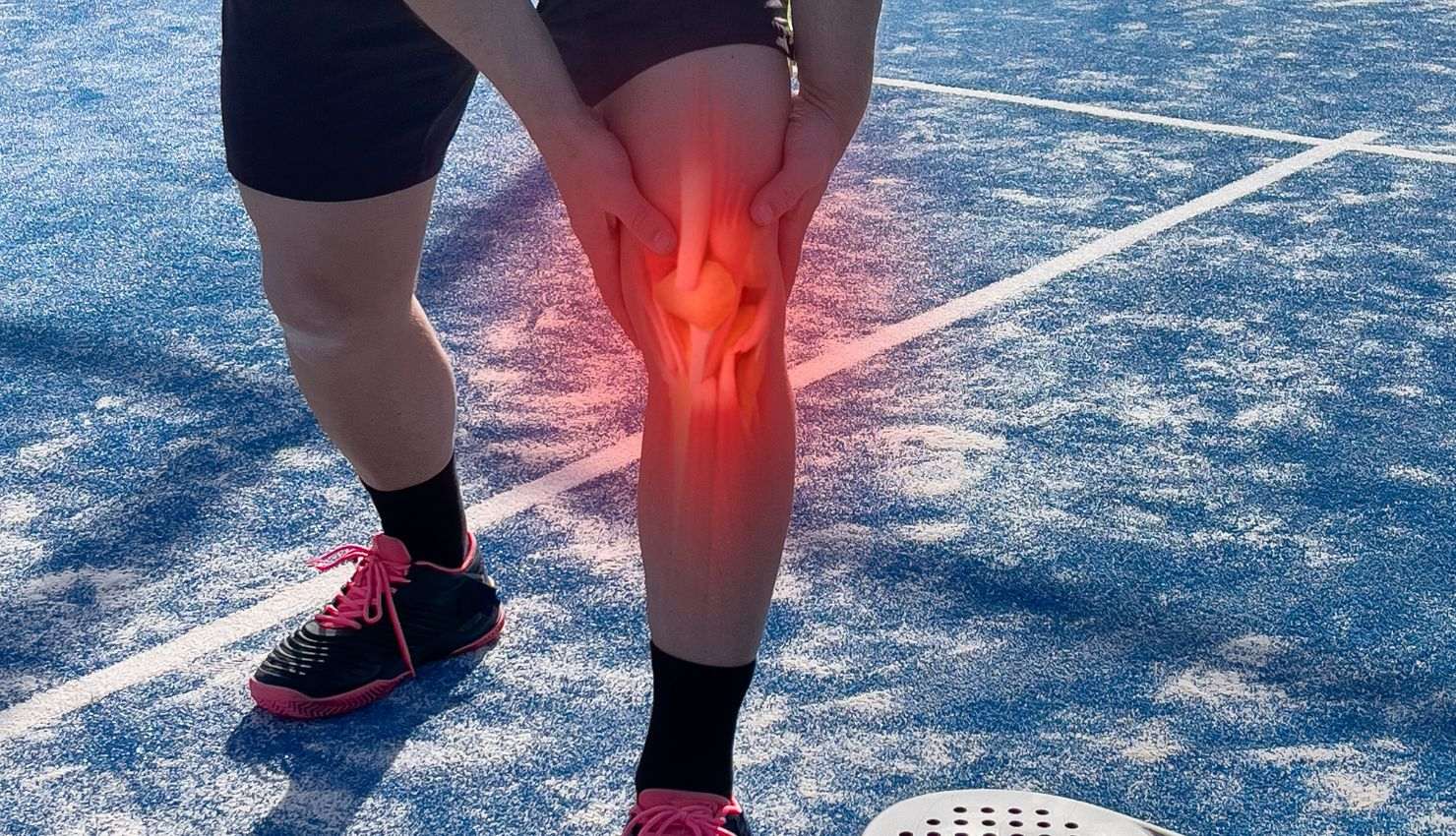
Joint pain, whether due to arthritis, injury, or wear and tear, can significantly affect your quality of life. Physiotherapy offers a range of effective treatments to manage joint pain, improve function, and prevent further damage. By focusing on improving movement, strengthening muscles, and addressing underlying issues, physiotherapy can help reduce pain, enhance joint mobility, and support long-term joint health.
Heres a comprehensive guide on how physiotherapy can help manage joint pain:
### 1. **Assessment and Diagnosis**
The first step in managing joint pain with physiotherapy is a thorough assessment. A physiotherapist will evaluate your symptoms, medical history, and lifestyle to identify the cause of the joint pain. They will assess your joint range of motion, strength, posture, and movement patterns to tailor a treatment plan specific to your needs.
### 2. **Pain Management Techniques**
Physiotherapists use several techniques to help reduce pain, especially during the early stages of treatment or after an acute injury.
#### **Cold Therapy (Cryotherapy)**
* **How it works**: Ice packs or cold compresses are applied to the affected joint to reduce inflammation, swelling, and pain.
* **Benefits**: Cold therapy helps numb the area, decreasing pain and inflammation, particularly in the first 48 hours following an injury or flare-up.
#### **Heat Therapy**
* **How it works**: Heat therapy, such as using a heating pad or warm compress, helps relax tight muscles and increase blood flow to the joint.
* **Benefits**: Heat can be used after the initial inflammation phase to alleviate stiffness, promote healing, and improve joint mobility, especially in conditions like arthritis.
#### **TENS (Transcutaneous Electrical Nerve Stimulation)**
* **How it works**: TENS is a therapy that involves applying electrical impulses to the skin near the affected joint to stimulate nerves and block pain signals.
* **Benefits**: TENS can effectively reduce joint pain by interrupting pain signals and promoting the release of natural pain-relieving chemicals called endorphins.
### 3. **Manual Therapy**
Manual therapy involves hands-on techniques used to manipulate joints and soft tissues, helping improve mobility, reduce stiffness, and alleviate pain.
#### **Joint Mobilization**
* **How it works**: Physiotherapists use gentle, controlled movements to mobilize the affected joint, which can help restore its normal movement and reduce pain.
* **Benefits**: Joint mobilizations are often used to address stiffness and improve range of motion in conditions like osteoarthritis or after joint surgery.
#### **Soft Tissue Mobilization**
* **How it works**: Soft tissue mobilization techniques, including massage, are used to release tension in the muscles, tendons, and ligaments surrounding the joint.
* **Benefits**: Helps to reduce muscle tightness, improve blood circulation, and alleviate discomfort in the muscles that support the joint.
### 4. **Strengthening Exercises**
Weak muscles surrounding a joint can contribute to joint pain by causing instability and increased stress on the joint. Strengthening exercises are essential in physiotherapy to support joint health.
#### **Targeted Strengthening Exercises**
* **How it works**: Physiotherapists guide you through exercises designed to strengthen the muscles around the affected joint, providing better support and reducing the strain on the joint.
* **Examples**: Strengthening exercises for the knee, hip, or shoulder include squats, leg raises, glute bridges, and resistance band exercises.
* **Benefits**: Stronger muscles can help absorb shock, reduce pain, and improve the overall function of the joint.
### 5. **Range of Motion (ROM) Exercises**
Loss of flexibility and stiffness in the joint can lead to increased pain and difficulty moving. Range of motion exercises help maintain or improve joint mobility and reduce stiffness.
#### **Stretching and Mobility Exercises**
* **How it works**: Specific stretches and mobility exercises are designed to improve the flexibility of the muscles and ligaments around the joint, increasing the joints range of motion.
* **Examples**: Gentle stretching exercises for the shoulder, hip, or knee joints, such as shoulder circles, hip flexor stretches, and knee bends.
* **Benefits**: Improved flexibility reduces joint stiffness, enhances movement, and alleviates pain caused by restricted motion.
### 6. **Postural Training**
Poor posture can place unnecessary stress on joints, leading to pain and dysfunction. Physiotherapists often incorporate postural training to help you maintain proper body alignment and reduce strain on the joints.
#### **Ergonomics and Posture Education**
* **How it works**: Physiotherapists assess your posture during daily activities like sitting, standing, and walking, and provide guidance on how to maintain optimal posture to protect your joints.
* **Benefits**: Correct posture reduces the load on joints, alleviating pain and preventing further injury, particularly in the spine, hips, and knees.
### 7. **Activity Modification and Joint Protection**
In addition to physical therapy exercises, physiotherapists teach you how to modify your activities to avoid aggravating the affected joint and promote healing.
#### **Joint Protection Techniques**
* **How it works**: Physiotherapists teach joint protection strategies to reduce stress on painful joints during daily tasks, such as lifting, bending, or walking.
* **Examples**: Using assistive devices like braces, crutches, or splints, and altering movement patterns to minimize strain on the joints.
* **Benefits**: Joint protection helps prevent further damage, alleviates pain, and ensures that the joint can heal properly over time.
### 8. **Hydrotherapy (Water Therapy)**
Hydrotherapy is a great option for joint pain, particularly for individuals who experience difficulty with weight-bearing exercises. The buoyancy of water reduces the load on the joints while allowing for effective movement and exercise.
#### **How it works**: Exercises in a warm-water pool help increase flexibility, strengthen muscles, and improve joint mobility while minimizing impact on the joints.
* **Benefits**: Hydrotherapy provides a low-impact option for individuals with joint pain, such as arthritis, and can help improve strength, range of motion, and pain management.
### 9. **Assistive Devices and Orthotics**
In certain cases, physiotherapists may recommend using assistive devices or custom orthotics to support and protect the joint during the healing process.
#### **Braces, Supports, and Insoles**
* **How it works**: Orthotics or braces can be used to provide additional support to the affected joint and improve alignment, especially during physical activity or while resting.
* **Benefits**: These devices help reduce pain, stabilize the joint, and prevent further damage by promoting proper joint alignment and reducing stress on the joint.
### 10. **Education and Self-Management**
An important component of physiotherapy is educating patients on how to manage their joint pain effectively on their own. This includes guidance on lifestyle modifications, activity modifications, and self-care techniques.
#### **Pain Management Education**
* **How it works**: Physiotherapists teach you about managing joint pain through non-pharmacological methods such as pacing your activities, using heat/cold therapy, and performing regular exercises.
* **Benefits**: Empowering patients with knowledge helps them take control of their joint health and reduces the need for medications, which may have side effects.
### Conclusion
Physiotherapy is an effective, non-invasive approach for managing joint pain. By focusing on improving strength, flexibility, joint mobility, posture, and functional movement, physiotherapists can help you manage pain, reduce the risk of further joint damage, and restore normal function. Whether you’re dealing with arthritis, joint injuries, or chronic pain, physiotherapy provides a comprehensive treatment plan tailored to your specific needs. Its always advisable to consult with a licensed physiotherapist to develop a personalized treatment strategy that suits your condition and helps you achieve long-term pain relief and recovery.