Managing Menstrual Discomfort with Physiotherapy explores targeted strategies for recovery. Discover new paths to mobility, healing, and personalized care.

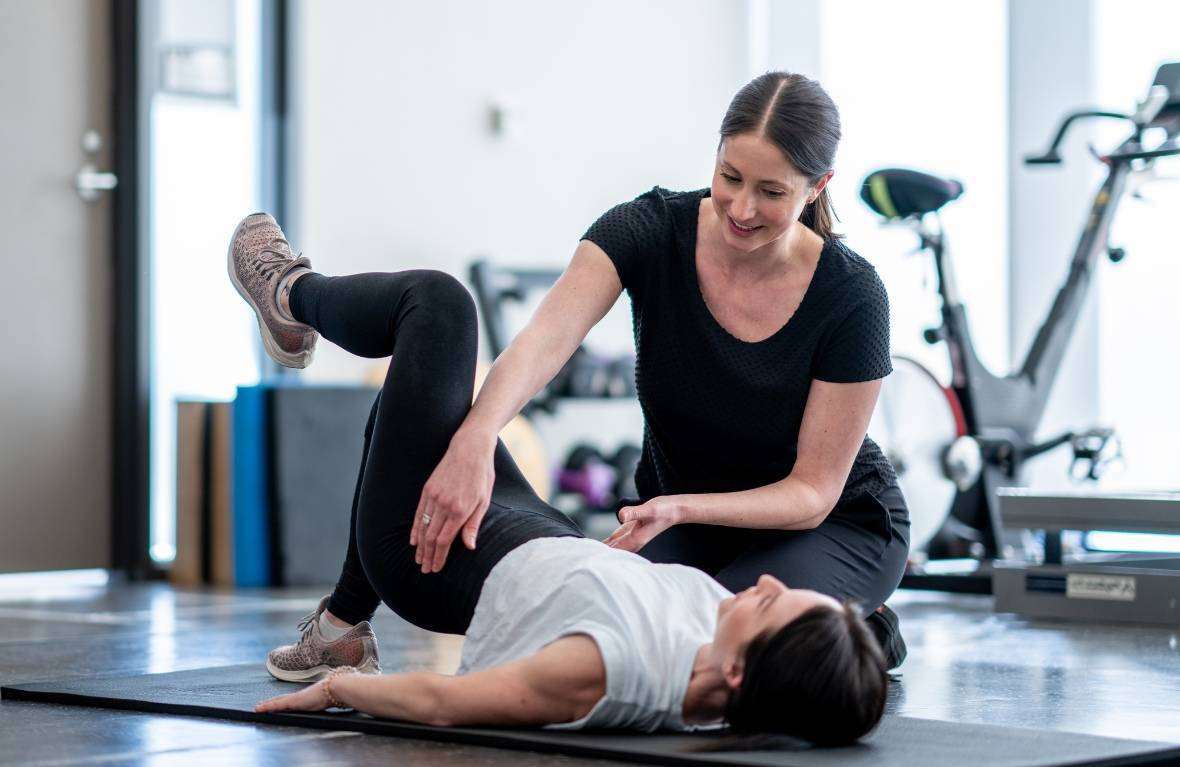
Menstrual discomfort affects many people, ranging from mild irritations to debilitating pain that interferes with daily activities. While medication offers quick relief, physiotherapy provides a natural, effective way to manage menstrual symptoms by addressing the root causes of pain and discomfort through movement, manual therapy, and relaxation techniques.
Why Menstrual Discomfort Happens
Menstrual pain primarily stems from uterine contractions triggered by prostaglandinshormone-like substances that cause the uterus to contract and shed its lining. Excessive contractions can reduce blood flow, leading to cramps and pain. Hormonal fluctuations also cause water retention, bloating, and muscle tightness, contributing to discomfort.
How Physiotherapy Helps
Physiotherapy targets the musculoskeletal and nervous systems to ease menstrual discomfort:
Manual Therapy
Techniques such as soft tissue mobilization and myofascial release reduce pelvic muscle tension and improve blood flow, relieving cramps and tightness.
Pelvic Floor Exercises
Many with menstrual pain experience tight or dysfunctional pelvic floor muscles. Physiotherapists teach exercises to relax and strengthen this area, reducing pain and improving function.
Stretching and Mobility Work
Gentle stretching of the lower back, hips, and abdomen helps alleviate muscle stiffness and improve circulation.
Breathing and Relaxation Techniques
Deep breathing activates the parasympathetic nervous system, reducing pain perception and stress associated with menstruation.
Heat Therapy Guidance
Applying heat to the lower abdomen or back relaxes muscles and eases cramps, and physiotherapists can advise on safe and effective use.
Tips for Managing Menstrual Discomfort with Physiotherapy
Schedule Physiotherapy Sessions Around Your Cycle: Target treatment during times when discomfort is worst for maximum relief.
Practice Pelvic Floor Awareness: Regularly engage in exercises that balance pelvic muscle tone.
Incorporate Daily Gentle Movement: Activities like walking or yoga enhance circulation and reduce stiffness.
Use Relaxation Techniques: Incorporate mindfulness or meditation to help manage pain and emotional stress.
Stay Hydrated and Nourished: Supporting your bodys needs reduces bloating and muscle cramps.
When to Seek Physiotherapy for Menstrual Discomfort
If menstrual pain disrupts your life regularly or is severe, physiotherapy can be a valuable part of your care. Its especially helpful if you experience associated symptoms like lower back pain, pelvic floor dysfunction, or digestive issues during your period.
Final Thoughts
Physiotherapy offers a holistic, empowering approach to managing menstrual discomfort. By focusing on the bodys movement patterns, muscle function, and relaxation, it helps reduce pain naturally and improves overall menstrual health.
If youre tired of relying solely on medication or want a proactive way to manage your menstrual symptoms, physiotherapy might be the key to a more comfortable cycle and better quality of life.