Musculoskeletal pain, which includes pain in muscles, bones, tendons, ligaments, and joints, can range from mild to severe and can impact daily activities. Whether caused by an injury, overuse, poor posture, or conditions like arthritis, musculoskeletal pain can significantly affect one’s quality of life.

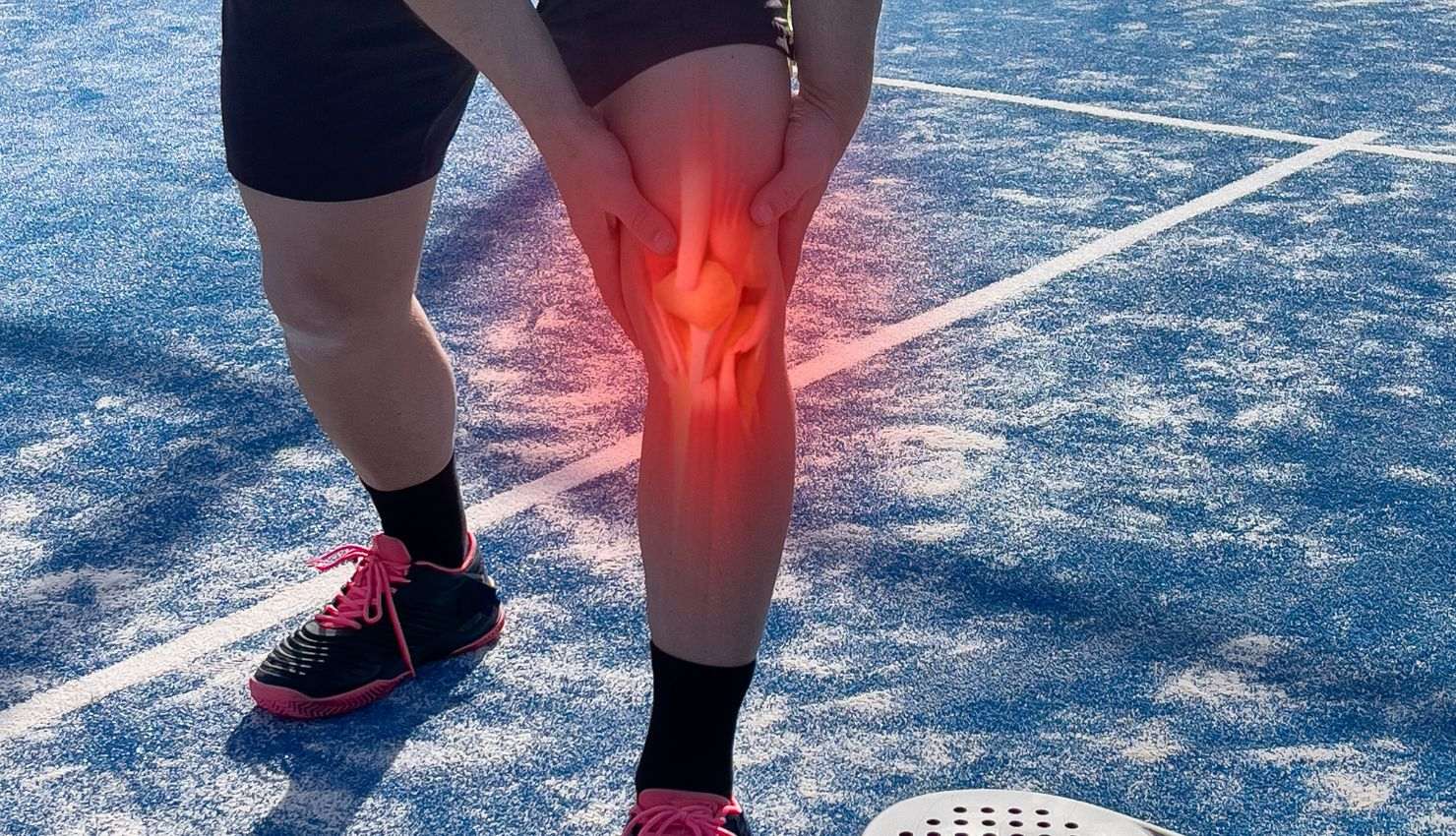
Musculoskeletal pain, which includes pain in muscles, bones, tendons, ligaments, and joints, can range from mild to severe and can impact daily activities. Whether caused by an injury, overuse, poor posture, or conditions like arthritis, musculoskeletal pain can significantly affect one’s quality of life. Physiotherapy is a highly effective treatment method for managing musculoskeletal pain by focusing on restoring movement, improving strength, and reducing discomfort. Heres a comprehensive guide on how physiotherapy can help manage musculoskeletal pain:
### 1. **Assessment and Diagnosis**
The first step in physiotherapy for managing musculoskeletal pain is a thorough assessment by a licensed physiotherapist. This involves discussing your symptoms, medical history, lifestyle, and any prior injuries. The physiotherapist will assess your posture, movement patterns, muscle strength, and flexibility to identify any musculoskeletal imbalances or dysfunctions. With this information, the physiotherapist will design a tailored treatment plan focused on your specific condition.
### 2. **Manual Therapy**
Manual therapy refers to hands-on techniques used by physiotherapists to treat musculoskeletal pain. These treatments can reduce pain, improve joint mobility, and restore normal function to the affected area. Some common manual therapy techniques include:
* **Joint Mobilization**: Involves the therapist using controlled movements on a joint to improve its range of motion and reduce stiffness.
* **Soft Tissue Mobilization**: This technique focuses on the muscles, tendons, and ligaments, helping to reduce tension, scar tissue, and adhesions.
* **Massage Therapy**: Targeted massage can relax tight muscles, promote blood flow, and relieve pain caused by muscle spasms or overuse.
### 3. **Therapeutic Exercises**
Therapeutic exercises are essential for addressing musculoskeletal pain and restoring movement. Physiotherapists prescribe specific exercises that are designed to:
* **Improve Strength**: Weak muscles contribute to pain and instability. Strengthening exercises focus on rebuilding muscle strength around joints to prevent further injury.
* **Enhance Flexibility**: Tight muscles and stiff joints can cause pain. Stretching exercises improve flexibility and increase joint mobility.
* **Improve Posture and Alignment**: Musculoskeletal pain is often exacerbated by poor posture. Physiotherapists teach postural correction exercises to help you maintain proper alignment during everyday activities, reducing stress on muscles and joints.
Some examples of common exercises for musculoskeletal pain include:
* **Strengthening exercises** for the lower back, core, and legs to reduce spinal and hip pain.
* **Range of motion exercises** to improve flexibility in joints like the shoulders, elbows, and knees.
* **Stretching** to alleviate muscle tightness and promote joint mobility.
### 4. **Postural Training and Ergonomics**
Poor posture and ergonomics can be major contributors to musculoskeletal pain. Whether its from sitting at a desk for long periods, improper lifting techniques, or poor sleeping posture, physiotherapists teach how to modify these behaviors to reduce stress on the body.
**Postural training** focuses on teaching proper body alignment, especially during daily activities such as sitting, standing, and walking. Physiotherapists may also suggest adjustments to your workstation or environment to make it more ergonomically friendly, such as:
* Adjusting the height of your chair or desk.
* Using supportive cushions or pillows.
* Correcting the angle of your computer screen to minimize strain on the neck and shoulders.
### 5. **Heat and Cold Therapy**
Heat and cold therapy are commonly used in physiotherapy to reduce pain and inflammation, and to promote healing:
* **Cold Therapy**: Ice packs or cold compresses are applied to reduce inflammation and numb the pain, especially in acute injuries or after exercise. Cold therapy can also prevent swelling in muscles, joints, or tendons.
* **Heat Therapy**: Heat pads or warm baths help relax tense muscles and improve blood circulation, which aids in pain relief and accelerates recovery, particularly in chronic conditions like arthritis or muscle stiffness.
Your physiotherapist will guide you on when to use heat or cold therapy, as using the wrong one at the wrong time can potentially worsen the condition.
### 6. **Electrotherapy for Pain Relief**
Electrotherapy is another effective physiotherapy tool for managing musculoskeletal pain. It uses electrical impulses to stimulate nerves and muscles, reducing pain, inflammation, and muscle spasms. Some common forms of electrotherapy include:
* **TENS (Transcutaneous Electrical Nerve Stimulation)**: This method uses electrical impulses to block pain signals from reaching the brain, reducing pain perception. Its often used for conditions like arthritis, back pain, or muscle strains.
* **IFC (Interferential Current Therapy)**: Uses a combination of two medium-frequency electrical currents that intersect at the site of pain, offering deeper pain relief and reducing swelling.
* **EMS (Electrical Muscle Stimulation)**: Helps stimulate muscles to prevent atrophy and promote healing, especially after surgery or injury.
### 7. **Dry Needling and Acupuncture**
Dry needling and acupuncture are specialized techniques that can be used by physiotherapists to treat musculoskeletal pain, especially in chronic conditions like myofascial pain syndrome (muscle pain and tightness due to trigger points).
* **Dry Needling** involves inserting thin needles into muscle trigger points (tight, tender areas within muscles). The goal is to release tension and alleviate pain by stimulating the muscles to relax and improve blood flow.
* **Acupuncture** is a traditional technique that involves inserting needles into specific points along the bodys energy pathways. Its believed to promote the flow of energy (qi) and alleviate pain.
Both techniques are used to treat muscle stiffness, joint pain, and inflammation, and can be effective for reducing chronic pain and improving muscle function.
### 8. **Patient Education and Self-Management**
An essential component of physiotherapy is education. Your physiotherapist will teach you about your condition, the cause of your pain, and ways to manage it effectively. This education may include advice on:
* How to pace your activities and avoid overexertion.
* How to perform stretches and exercises at home to maintain progress.
* How to use proper body mechanics during everyday activities like lifting, bending, or carrying.
* How to avoid re-injury by incorporating warm-ups and cool-downs into your routine.
### 9. **Functional Training and Activity Modification**
Physiotherapists will help you modify activities that may be exacerbating your musculoskeletal pain. They may also guide you through functional training exercises to help you return to your usual activitieswhether thats sports, work, or recreational activities.
Functional training focuses on exercises that mimic daily activities, teaching you how to move properly and safely in order to prevent further stress or injury to the musculoskeletal system.
### 10. **Joint Protection and Assistive Devices**
In some cases, physiotherapists may recommend the use of assistive devices, such as orthotic inserts, braces, or splints, to help relieve musculoskeletal pain. These devices can provide additional support, improve joint alignment, and reduce strain on painful areas.
### Conclusion
Physiotherapy is a comprehensive and effective approach for managing musculoskeletal pain. By combining manual therapy, exercise, education, and advanced techniques like electrotherapy and acupuncture, physiotherapists can help reduce pain, restore movement, and enhance function. Whether youre dealing with a sports injury, arthritis, or chronic pain, physiotherapy plays a key role in helping you regain strength, mobility, and independence. Always consult a licensed physiotherapist to receive a tailored treatment plan that addresses your specific needs and goals.