Managing Neck and Shoulder Pain in Athletes with Sports-Specific Therapy explores targeted strategies for recovery. Discover new paths to mobility, healing, and personalized care.

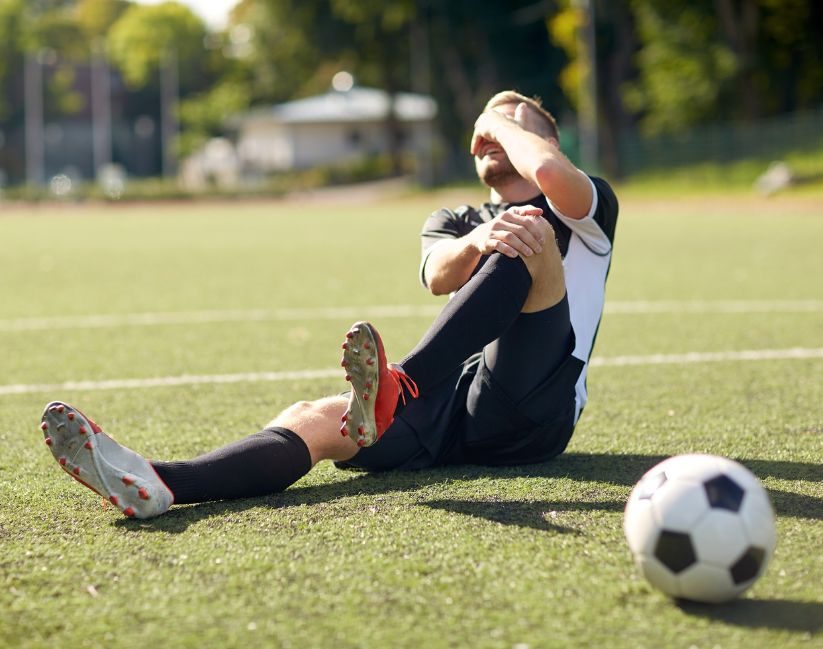
Neck and shoulder pain is a common complaint among athletes, whether theyre professionals or weekend warriors. These areas are critical for many sports movements from throwing and swinging to tackling and lifting so pain or injury here can seriously impact performance. The good news? Sports-specific therapy offers targeted solutions to help athletes manage, recover, and even prevent neck and shoulder pain effectively.
Why Neck and Shoulder Pain Happens in Athletes
Athletes often experience neck and shoulder discomfort due to repetitive motion, poor posture, overuse, or acute injuries like strains and sprains. Contact sports such as hockey, football, or rugby can also contribute to trauma in these regions. Even non-contact sports like swimming or tennis can cause muscle imbalances and tension buildup.
The complexity of the neck and shoulder jointbecause of their range of motion and involvement in almost every upper body movementmeans that injuries here can quickly become chronic if not managed properly.
What Is Sports-Specific Therapy?
Sports-specific therapy is a form of physiotherapy tailored to an athletes unique sport, biomechanics, and injury history. Unlike generic treatments, this approach focuses on movements and muscle groups that athletes use most frequently, helping them recover faster and return to peak performance.
Therapists work closely with athletes to understand the specific demands of their sport, then create a personalized treatment plan that might include manual therapy, stretching, strengthening exercises, posture correction, and functional movement retraining.
Managing Neck and Shoulder Pain Through Targeted Therapy
Assessment and Diagnosis
A thorough physical assessment is the first step. Therapists evaluate range of motion, muscle strength, posture, and any existing imbalances or weaknesses. Identifying the root cause of painwhether its a muscle strain, nerve irritation, or joint dysfunctionis critical.
Manual Therapy and Mobilization
Hands-on techniques such as massage, myofascial release, and joint mobilization can reduce muscle tension, improve blood flow, and restore mobility in the neck and shoulder. These techniques alleviate pain and prepare the athletes body for active rehabilitation.
Exercise Prescription
Customized exercises target weak or overused muscles. Strengthening the rotator cuff and scapular stabilizers, for example, helps support shoulder mechanics and prevent re-injury. Neck stabilization exercises improve posture and reduce strain on the cervical spine.
Postural Correction and Ergonomics
Poor posture, both during sport and daily activities, contributes to neck and shoulder pain. Therapists educate athletes on proper body mechanics and may recommend ergonomic adjustments to training and recovery environments.
Sport-Specific Movement Re-Training
Functional exercises mimic sport-specific motions, helping athletes regain confidence and movement efficiency. This ensures the neck and shoulder can handle the demands of their sport without pain.
Benefits of Sports-Specific Therapy for Neck and Shoulder Pain
Faster Recovery: Targeted treatment speeds up healing by focusing on the exact muscles and movements involved.
Pain Reduction: Combining manual therapy and exercises helps alleviate pain and muscle tightness.
Injury Prevention: Strengthening and correcting movement patterns reduce the risk of future neck and shoulder problems.
Improved Performance: Restoring optimal function in these areas enhances overall athletic ability.
Why Choose Your Forms UX (YFS) for Sports-Specific Therapy?
At Your Forms UX (YFS) in Canada, we understand that every athlete is unique. Our team of physiotherapy experts delivers personalized sports-specific therapy designed around your individual goals and sport demands. With a strong emphasis on evidence-based practices and hands-on care, YFS helps athletes manage pain effectively and get back to doing what they love, stronger than ever.