A dislocated joint occurs when the bones in a joint are forced out of their normal position, typically due to trauma, such as a fall or an accident. This can result in pain, swelling, limited range of motion, and difficulty using the affected limb or joint.

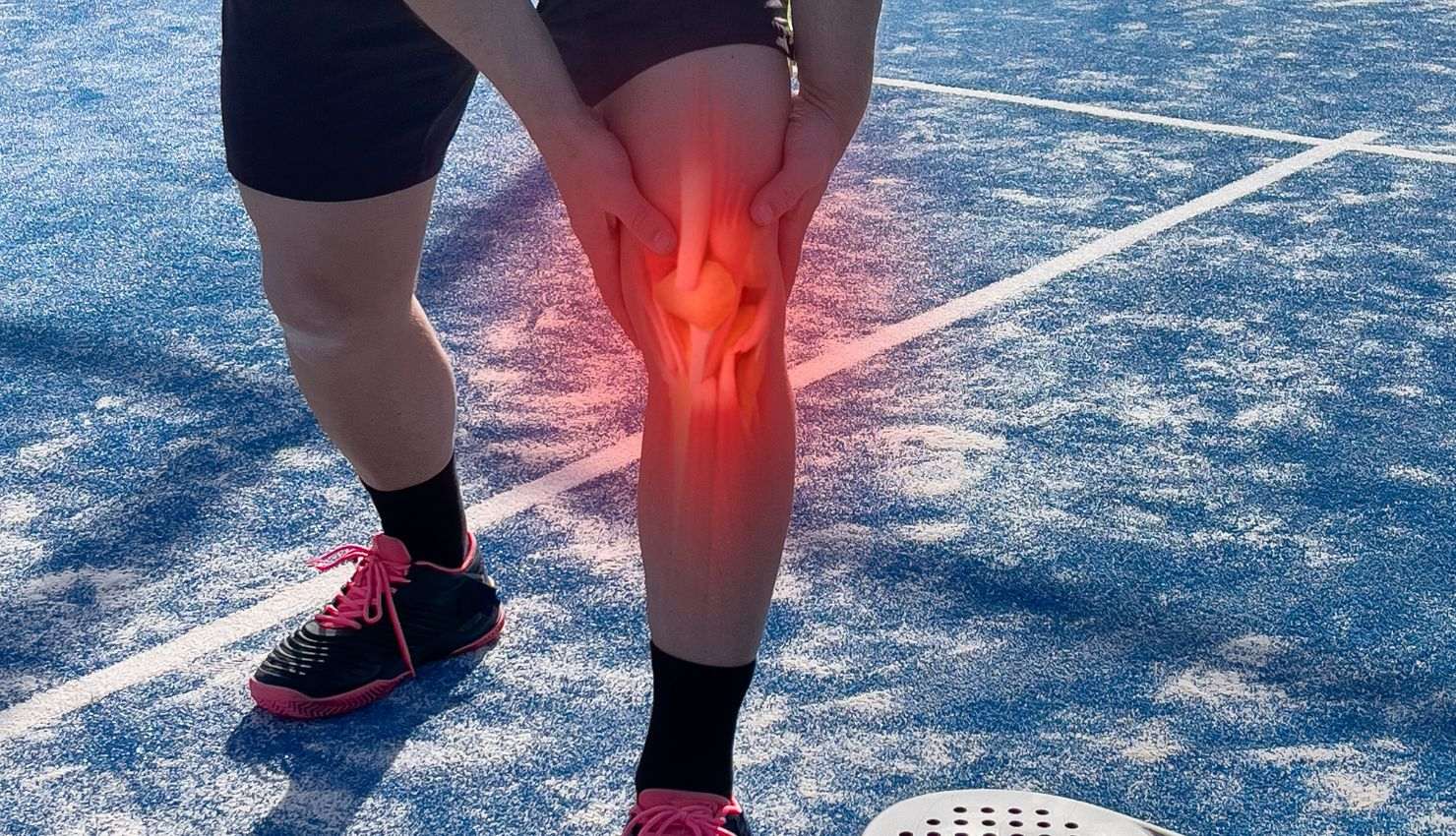
A dislocated joint occurs when the bones in a joint are forced out of their normal position, typically due to trauma, such as a fall or an accident. This can result in pain, swelling, limited range of motion, and difficulty using the affected limb or joint. The primary goal in managing a dislocated joint is to reduce pain, restore normal movement, and prevent future dislocations. Physiotherapy is a crucial part of the rehabilitation process, focusing on both immediate pain relief and long-term recovery. Here’s how physiotherapy helps manage pain and facilitate recovery from a dislocated joint:
### **1. Immediate Pain Management**
After a joint has been dislocated and properly repositioned (reduced), physiotherapists work to manage the pain during the recovery process. In the early stages, the primary goal is to control inflammation and alleviate discomfort.
#### **Pain Relief Techniques:**
* **Ice Therapy (Cryotherapy)**: Ice is applied to the injured area to reduce swelling, numb the pain, and manage inflammation during the initial 4872 hours after the dislocation. Ice helps limit tissue damage and provides immediate relief from pain.
* **Heat Therapy**: After the initial swelling has gone down, heat may be used to relax the muscles around the joint, increase blood flow, and alleviate muscle stiffness.
* **Transcutaneous Electrical Nerve Stimulation (TENS)**: TENS involves applying mild electrical currents to the skin to block pain signals and stimulate the release of endorphins, the bodys natural painkillers.
* **Manual Therapy**: Gentle, hands-on techniques, such as soft tissue massage, can be used to alleviate muscle tension and discomfort surrounding the dislocated joint.
### **2. Restoring Range of Motion (ROM)**
One of the most important goals in physiotherapy after a joint dislocation is restoring the full range of motion (ROM) in the affected joint. A dislocation can lead to stiffness in the joint due to pain, muscle guarding, and joint inflammation.
#### **Techniques to Restore ROM:**
* **Passive Range of Motion (ROM) Exercises**: In the early stages of recovery, the physiotherapist may gently move the joint through its range of motion (without the patients active participation) to prevent stiffness and improve joint flexibility.
* **Active-Assisted ROM Exercises**: As healing progresses, patients may be encouraged to actively participate in the movement of the joint, with assistance from the physiotherapist if needed.
* **Joint Mobilization**: Physiotherapists use joint mobilization techniques to gently move the joint and improve flexibility. These techniques can reduce stiffness, improve function, and reduce pain associated with limited movement.
* **Stretching**: Stretching the muscles and tendons surrounding the joint helps to reduce tightness and improve overall flexibility, which is essential for restoring normal function.
### **3. Strengthening the Muscles Around the Joint**
After the joint has been dislocated, the surrounding muscles may become weak due to immobilization or disuse. Strengthening these muscles is crucial for stabilizing the joint and preventing future dislocations.
#### **Strengthening Exercises:**
* **Isometric Exercises**: Initially, isometric exercises are used to activate the muscles around the joint without moving the joint itself. This helps maintain muscle strength during the early recovery phase.
* **Progressive Resistance Training**: As healing progresses, resistance exercises using bands, light weights, or bodyweight are introduced to strengthen the muscles that support the joint. Strengthening exercises help improve joint stability and reduce the risk of re-injury.
* **Targeted Strengthening**: The physiotherapist will design exercises that specifically target the muscles surrounding the dislocated joint. For example, if the shoulder is dislocated, strengthening exercises for the rotator cuff and scapular stabilizers are essential for restoring shoulder function.
### **4. Proprioception and Balance Training**
Proprioception refers to the bodys ability to sense its position in space. After a joint dislocation, proprioception may be impaired, leading to poor coordination and a higher risk of re-injury.
#### **Proprioception and Balance Exercises:**
* **Balance Exercises**: These exercises help retrain the bodys awareness of its position and movement. Exercises like standing on one leg or using a balance board can enhance coordination and stability.
* **Joint Position Sense**: Physiotherapists may use exercises that challenge the bodys ability to sense the position of the affected joint, such as joint positioning exercises or using visual cues to improve body awareness.
* **Functional Activities**: As rehabilitation progresses, functional exercises like walking or standing while balancing on one leg help simulate real-life situations and further improve proprioception.
### **5. Postural Education and Body Mechanics**
Joint dislocations can sometimes result from improper body mechanics or poor posture, particularly during activities that involve lifting or sudden movements. Physiotherapists educate patients on how to protect the joint and avoid reinjury.
#### **Posture and Body Mechanics Education:**
* **Proper Lifting Techniques**: If the dislocation occurred due to improper lifting, physiotherapists teach correct lifting techniques, such as bending the knees and using the legs to lift objects instead of straining the back or other joints.
* **Ergonomic Adjustments**: Physiotherapists can advise on setting up a work or home environment to support proper posture and joint alignment, reducing the risk of re-injury.
* **Protective Strategies**: Physiotherapists guide patients on how to avoid movements or positions that could strain the joint and lead to another dislocation.
### **6. Gradual Return to Activity**
Once pain is under control and strength has been restored, physiotherapists help patients gradually return to normal activities, sports, or work. The goal is to reintroduce movements in a controlled, progressive manner that does not risk reinjury.
#### **Gradual Progression:**
* **Controlled Movements**: Initially, patients are encouraged to perform low-impact activities that dont place stress on the injured joint, such as walking or swimming.
* **Sports and Function-Specific Training**: For athletes or individuals returning to physically demanding jobs, physiotherapists create sport-specific training or functional exercises that mimic the movements required for the job or sport. This helps to prepare the joint for the stresses it will face during activity.
* **Pacing Activity**: Physiotherapists emphasize pacing, ensuring that patients gradually build up their activity levels to avoid overloading the joint before it’s fully healed.
### **7. Preventing Future Dislocations**
Physiotherapists work to reduce the risk of future dislocations by teaching joint stabilization exercises, promoting strong muscle groups around the joint, and reinforcing proper posture and body mechanics.
#### **Preventative Measures:**
* **Strengthening and Conditioning**: Continued strengthening of the muscles around the joint is essential for maintaining stability and reducing the likelihood of reinjury.
* **Proprioception Training**: Ongoing balance and coordination exercises help maintain the bodys awareness of joint position, reducing the risk of falls or improper movements that could lead to a dislocation.
* **Lifestyle and Activity Modifications**: Physiotherapists may recommend modifications to high-risk activities or suggest appropriate protective equipment (e.g., braces, supports) during physical activities.
### **8. Psychological Support**
Pain and the fear of reinjury can take a psychological toll on individuals recovering from a dislocation. Physiotherapists provide emotional support, encourage confidence in movement, and help patients set realistic recovery goals.
#### **Psychological Support Strategies:**
* **Motivation and Encouragement**: Physiotherapists provide positive reinforcement and support to keep patients motivated throughout their rehabilitation.
* **Addressing Fear of Movement**: Many individuals experience a fear of re-injury after a dislocation. Physiotherapists help build confidence by guiding patients through safe movements and gradual progressions.
### **Conclusion**
Physiotherapy is an essential part of recovering from a joint dislocation, helping to manage pain, restore function, and prevent future injuries. By using a combination of pain relief techniques, manual therapy, strengthening exercises, proprioception training, and postural education, physiotherapists guide patients through every stage of the rehabilitation process. With the proper care and guidance, individuals recovering from a dislocated joint can regain strength, mobility, and confidence, ensuring a safe return to normal activities and reducing the likelihood of re-injury.