Overuse injuries, often caused by repetitive movements or excessive stress on the body, are common among athletes and individuals who engage in physical activities regularly. These injuries can lead to discomfort, pain, and even long-term damage if not addressed.

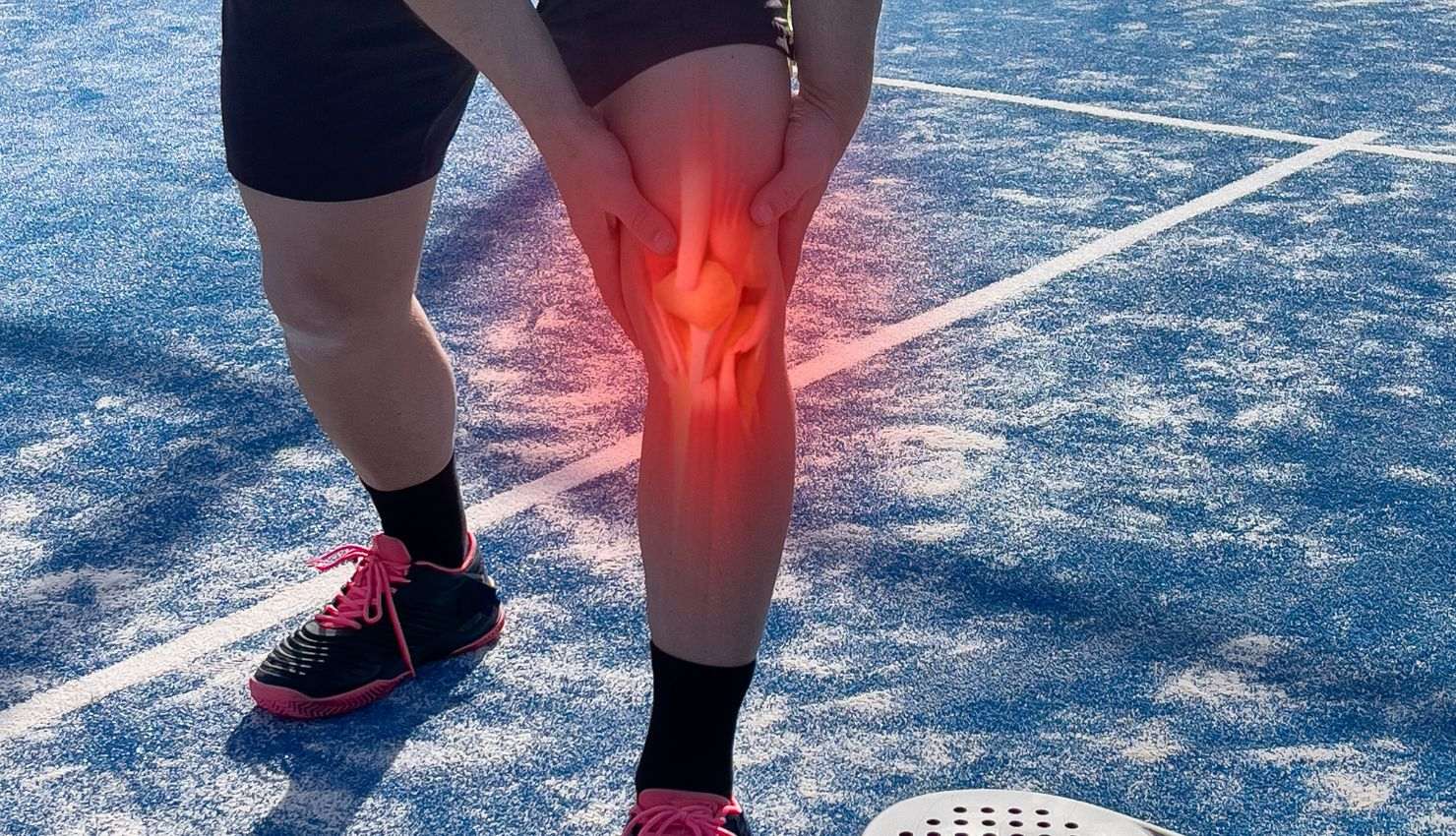
Overuse injuries, often caused by repetitive movements or excessive stress on the body, are common among athletes and individuals who engage in physical activities regularly. These injuries can lead to discomfort, pain, and even long-term damage if not addressed. Physiotherapy plays a crucial role in managing pain and promoting recovery from overuse injuries. Lets explore how physiotherapy helps and the steps involved in managing pain from these injuries.
What is Overuse Injury?
Overuse injuries occur when a part of the body is subjected to repetitive strain without adequate rest, leading to damage of tissues such as muscles, tendons, ligaments, and bones. Common examples include tennis elbow, runner’s knee, tendinitis, and stress fractures. The symptoms can range from mild discomfort to severe pain, swelling, and reduced mobility.
How Physiotherapy Helps in Managing Overuse Injury Pain
Physiotherapy provides a holistic approach to treating overuse injuries by targeting the root cause of the pain and promoting healing through non-invasive methods. Below are some key aspects of physiotherapy that help manage pain and accelerate recovery:
1. Pain Relief
Physiotherapists use various techniques to relieve pain associated with overuse injuries. These techniques may include:
Manual Therapy: Techniques like massage, joint mobilization, and soft tissue manipulation can help reduce pain, improve flexibility, and enhance tissue healing.
Electrotherapy: Modalities like TENS (Transcutaneous Electrical Nerve Stimulation) or ultrasound therapy may be used to reduce inflammation and relieve pain.
2. Reducing Inflammation
Overuse injuries often result in inflammation of the affected tissues. Physiotherapists may use ice or heat therapy to reduce swelling and promote tissue healing. They may also recommend anti-inflammatory exercises to reduce the load on the injured area.
3. Strengthening Muscles and Tissues
One of the core goals of physiotherapy is to strengthen the muscles and tissues surrounding the injured area. This helps to reduce the stress placed on the injury and prevent further damage. Physiotherapists develop personalized exercise programs that target the injured area, gradually improving strength, stability, and flexibility.
4. Correcting Movement Patterns
In many cases, overuse injuries occur because of faulty movement patterns or poor posture. Physiotherapists assess the way you move and identify any abnormalities that may contribute to the injury. By correcting these patterns through targeted exercises, they help prevent recurrence and ensure proper mechanics.
5. Gradual Return to Activity
Physiotherapists guide patients in returning to their regular activities in a controlled manner. They monitor the recovery process and suggest modifications in activity levels to avoid re-injury. This gradual return ensures that the body can adapt and become stronger without risking further damage.
Common Physiotherapy Techniques for Overuse Injury Treatment
Stretching and Mobilization Exercises
Targeted stretches can improve the range of motion and flexibility of the injured tissues, reducing tightness and stiffness that may contribute to pain.
Strengthening Exercises
Strengthening exercises focus on rebuilding the strength of muscles and tissues surrounding the injury site. These exercises are tailored to gradually increase intensity to avoid overloading the injured area.
Postural and Ergonomic Education
Teaching patients proper posture and ergonomics is crucial to prevent future injuries. Physiotherapists guide individuals on how to move efficiently and how to set up workstations or practice techniques to avoid repetitive stress.
Kinesiology Taping
Taping techniques such as kinesiology taping are often used to provide support to injured areas without restricting movement. It can also help reduce pain and swelling, facilitating recovery.
Manual Therapy
Manual therapy techniques, including joint mobilization and soft tissue manipulation, are frequently used to reduce pain and stiffness, improving the range of motion.
The Role of Rest and Recovery in Physiotherapy
While physiotherapy plays a key role in managing overuse injuries, its equally important to allow the body time to heal. A physiotherapist will typically recommend rest or modified activity levels during the recovery period to avoid exacerbating the injury. A balanced approach that combines therapy with sufficient recovery time ensures long-term healing.
When Should You See a Physiotherapist?
If youre experiencing pain or discomfort due to an overuse injury, its essential to seek professional help early. Waiting too long may worsen the condition and prolong recovery. Physiotherapy can help:
Alleviate pain and inflammation
Restore full function
Prevent future injuries by correcting faulty movement patterns
Conclusion
Overuse injuries can be frustrating and painful, but physiotherapy offers effective methods for managing pain, reducing inflammation, and accelerating recovery. Through a combination of pain-relieving techniques, targeted exercises, and education, physiotherapists can help individuals return to their normal activities safely and avoid future injuries. If you’re dealing with an overuse injury, don’t waitconsult a physiotherapist for personalized care and treatment tailored to your needs.