Absolutely! Repetitive motion injuriesalso known as repetitive strain injuries (RSIs)can sneak up slowly, but they pack a painful punch. Whether its from typing, lifting, running, or repetitive work tasks, these injuries can leave you with persistent pain, weakness, and stiffness that disrupts your daily life.

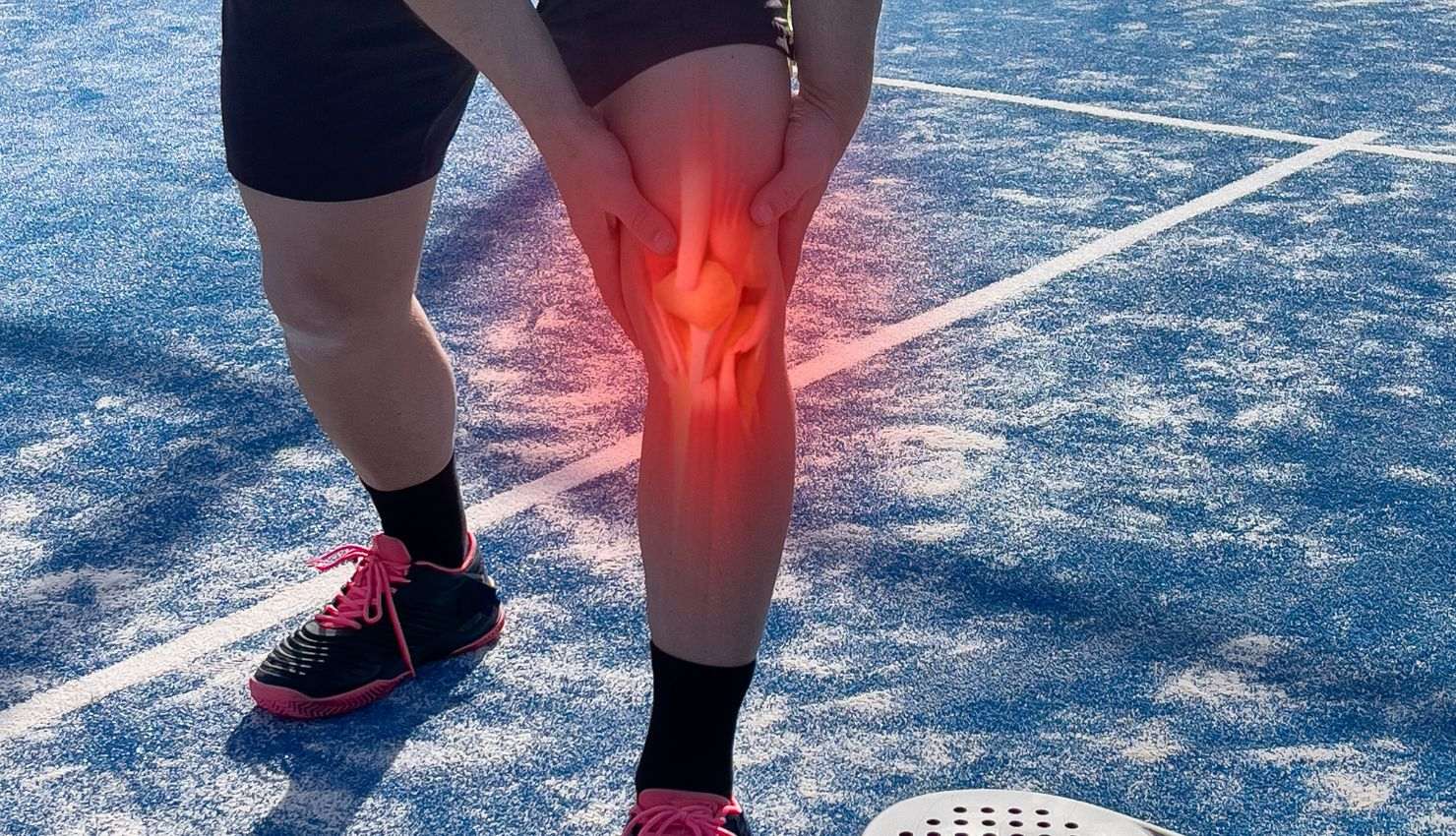
Absolutely! Repetitive motion injuriesalso known as repetitive strain injuries (RSIs)can sneak up slowly, but they pack a painful punch. Whether its from typing, lifting, running, or repetitive work tasks, these injuries can leave you with persistent pain, weakness, and stiffness that disrupts your daily life.
But heres the good news: physiotherapy is one of the most effective ways to manage and recover from RSIs. It goes beyond just restit helps you heal, retrain your movements, and prevent future flare-ups.
?? What Are Repetitive Motion Injuries?
RSIs develop when the same movement is performed over and over, leading to:
Microtears in muscles and tendons
Inflammation in joints or soft tissue
Nerve compression (like in carpal tunnel syndrome)
Muscle imbalances and poor posture
Common RSIs include:
Tennis elbow (lateral epicondylitis)
Golfers elbow (medial epicondylitis)
Carpal tunnel syndrome
Rotator cuff tendinopathy
Plantar fasciitis
IT band syndrome
De Quervains tenosynovitis (thumb/wrist pain)
Patellar tendinitis (jumpers knee)
??? How Physiotherapy Helps Manage RSI Pain
1. Thorough Movement Assessment
Your physiotherapist will:
Identify the movement or position causing the strain
Analyze your posture, technique, and joint mobility
Check for muscle imbalances or weakness
Use functional movement tests to understand the injury in context
This lets them build a personalized treatment plan that goes beyond just rest.
2. Hands-On Treatment for Pain Relief
Physios use manual therapy to calm down the irritated area and restore movement:
Soft tissue massage to reduce muscle tension and inflammation
Joint mobilizations to improve flexibility and release stiffness
Trigger point therapy for stubborn pain points
Myofascial release to ease pressure on surrounding tissues
These techniques help relieve pain, reduce inflammation, and prepare your body for rehab exercises.
3. Targeted Strengthening & Stretching
Repetitive motion injuries often develop due to muscle imbalances or poor mechanics. Your physio will guide you through:
Strengthening weak stabilizer muscles
Stretching overused or tight areas
Improving endurance for the muscles involved in your daily activity
Correcting technique for lifting, typing, throwing, etc.
Examples:
Wrist extensor loading for tennis elbow
Shoulder blade control for rotator cuff issues
Glute and hip work for IT band pain
Forearm and grip training for carpal tunnel
4. Ergonomic & Technique Correction
Your physiotherapist will help you:
Adjust your workstation or tools to reduce strain
Improve your form and posture during repetitive tasks
Use bracing or taping temporarily to offload pressure
Break down how to move more efficiently in your sport or job
Even small changes in your daily routine can make a big impact over time.
5. Pain Relief Modalities
To help manage pain during flare-ups, your physio might use:
Ice or heat therapy
TENS (nerve stimulation) to block pain signals
Ultrasound therapy to promote soft tissue healing
Dry needling to relax irritated muscle areas
These tools provide immediate symptom relief, while your rehab plan works on the root cause.
6. Education and Prevention
Your physiotherapist will also teach you:
How much rest vs. activity is appropriate
When to modify or stop a task to avoid reinjury
How to self-manage symptoms at home
How to build micro-breaks and stretching into your routine
Its all about helping you stay in control of your recoveryand avoid future RSIs altogether.
? How Long Does Recovery Take?
Recovery time varies depending on how long youve had the injury and how consistent you are with rehab. Heres a rough guide:
Mild RSI: 24 weeks of physiotherapy
Moderate RSI: 48 weeks
Chronic or recurring RSI: 8+ weeks (with ongoing management and lifestyle changes)
The sooner you start treatment, the faster and smoother your recovery.
? Final Takeaway
Repetitive motion injuries dont have to be part of your everyday life. Physiotherapy offers a comprehensive, non-invasive approach to healing that targets the pain, corrects the cause, and equips you with the tools to stay pain-free in the long run.
Whether your injury stems from typing, sports, factory work, or childcare, your physio can help you bounce backand build resilience.