Pain, whether acute or chronic, can significantly impact a persons daily life, limiting movement, reducing quality of life, and affecting emotional well-being. Physiotherapy offers a holistic approach to managing pain, addressing not only the physical symptoms but also the underlying causes, and promoting long-term recovery.

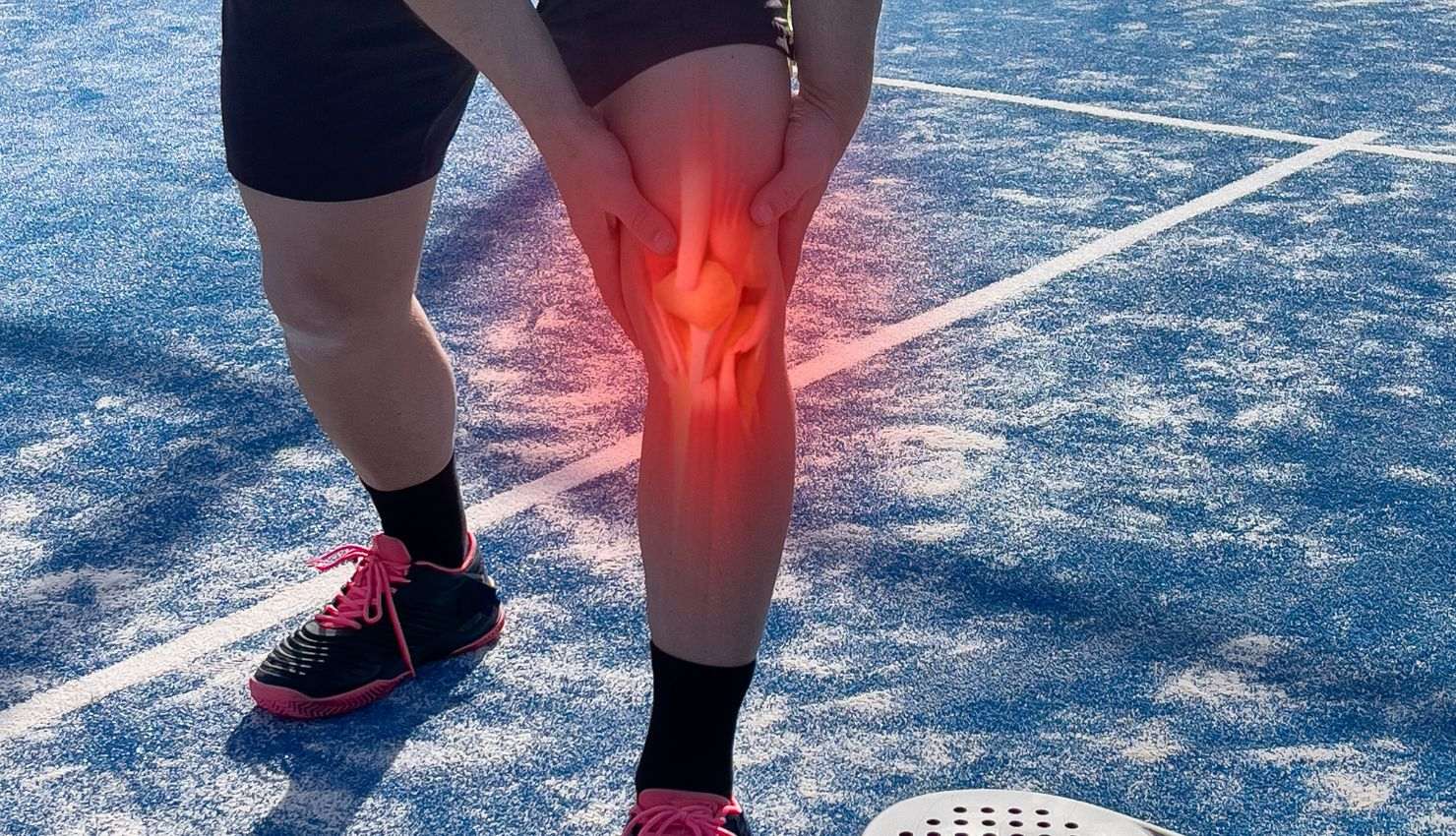
Pain, whether acute or chronic, can significantly impact a persons daily life, limiting movement, reducing quality of life, and affecting emotional well-being. Physiotherapy offers a holistic approach to managing pain, addressing not only the physical symptoms but also the underlying causes, and promoting long-term recovery. Unlike relying solely on medication or invasive treatments, physiotherapy focuses on the body’s natural healing processes and empowers individuals to manage and reduce pain in a sustainable, non-invasive manner.
Heres a comprehensive look at how physiotherapy provides a holistic approach to pain management:
### **1. Comprehensive Assessment of Pain**
The first step in managing pain through physiotherapy is a thorough assessment. Physiotherapists perform a detailed evaluation of your symptoms, lifestyle, and medical history to identify the root causes of pain. This allows for a targeted, personalized treatment plan that addresses the specific sources of discomfort.
#### **What Happens During the Assessment:**
* **Pain Evaluation**: The physiotherapist will ask you to describe the intensity, location, and nature of the pain. They may use specific pain scales to assess its severity.
* **Movement and Function Assessment**: The physiotherapist will observe your posture, movements, and range of motion to identify how the pain affects your daily activities. This helps pinpoint areas of weakness, stiffness, or dysfunction contributing to the pain.
* **Postural and Biomechanical Analysis**: Poor posture or imbalanced movement patterns can lead to pain or worsen existing discomfort. Physiotherapists examine your posture and movement mechanics to uncover any factors that may be causing or exacerbating your pain.
By thoroughly assessing your pain, physiotherapists are able to develop an individualized approach to treatment.
—
### **2. Pain Relief through Manual Therapy**
Manual therapy is one of the most effective physiotherapy techniques used to manage pain. It involves hands-on techniques to manipulate the muscles, joints, and soft tissues, which help reduce pain, improve circulation, and restore mobility.
#### **How Manual Therapy Helps Manage Pain:**
* **Massage Therapy**: Therapeutic massage can help release muscle tension, reduce spasms, and promote blood flow, which ultimately alleviates pain. This is particularly effective for muscle-related pain and conditions like fibromyalgia or myofascial pain syndrome.
* **Joint Mobilization and Manipulation**: Physiotherapists use gentle mobilizations or manipulations of joints to reduce stiffness, restore mobility, and reduce pain caused by joint restrictions or misalignment. This is effective for conditions like osteoarthritis, sciatica, and lower back pain.
* **Myofascial Release**: This technique focuses on releasing tension in the fascia (the connective tissue surrounding muscles) to reduce pain and improve mobility. It is particularly helpful for chronic pain or conditions involving muscle tightness.
Manual therapy helps reduce pain through physical manipulation of tissues, restoring normal movement and improving circulation.
—
### **3. Strengthening and Conditioning**
Muscle weakness or imbalances can contribute to or exacerbate pain. For example, weak core muscles can lead to lower back pain, while imbalances in the shoulders may lead to neck or upper back pain. Strengthening exercises prescribed by physiotherapists help support the bodys structure, reduce strain on joints, and alleviate pain.
#### **How Strengthening Exercises Manage Pain:**
* **Targeted Strengthening**: Physiotherapists develop strength training programs that focus on the muscles that support the affected joints or areas. For example, strengthening the core, hips, and back muscles can significantly reduce lower back pain.
* **Postural Support**: Strengthening the muscles around the spine and shoulders can help improve posture, reducing strain on muscles and joints and minimizing pain.
* **Improving Joint Stability**: Strengthening the muscles around a joint helps to stabilize it, reducing stress on the joint and surrounding tissues. This is beneficial for managing pain caused by conditions like knee osteoarthritis or rotator cuff injuries.
By building strength and stability, physiotherapy reduces strain on the body, which helps manage pain and prevents further injury.
—
### **4. Flexibility and Mobility Training**
Pain, especially from musculoskeletal conditions, often leads to stiffness and restricted movement. Flexibility and mobility exercises help reduce stiffness, increase range of motion (ROM), and alleviate discomfort, allowing the body to move more freely and with less pain.
#### **How Flexibility and Mobility Exercises Manage Pain:**
* **Stretching**: Regular stretching improves flexibility and reduces muscle tightness. For example, stretching the hamstrings, calves, and hip flexors can alleviate lower back pain caused by tight muscles.
* **Joint Mobilizations**: Physiotherapists use techniques to mobilize the joints, which helps improve ROM and reduce pain, particularly in conditions like frozen shoulder, hip pain, or knee stiffness.
* **Range-of-Motion (ROM) Exercises**: Physiotherapists incorporate ROM exercises to restore mobility in areas affected by pain or injury. These exercises are crucial in regaining function and preventing stiffness, especially after surgery or prolonged inactivity.
By improving flexibility and joint mobility, physiotherapy helps reduce pain caused by stiffness and enhances overall movement.
—
### **5. Pain Management Through Modalities**
Physiotherapists use various therapeutic modalities to manage pain, promote healing, and reduce inflammation. These techniques are often used in combination with exercise and manual therapy to provide comprehensive pain relief.
#### **Common Physiotherapy Modalities for Pain Relief:**
* **Heat Therapy**: Applying heat helps relax tight muscles, reduce stiffness, and improve blood flow. Heat therapy is useful for chronic pain or muscle soreness, such as in conditions like arthritis or fibromyalgia.
* **Cold Therapy (Cryotherapy)**: Cold therapy reduces swelling and numbs pain by constricting blood vessels and limiting blood flow to the affected area. This is particularly effective for acute injuries or inflammation.
* **Electrical Stimulation (TENS)**: Transcutaneous Electrical Nerve Stimulation (TENS) uses low-voltage electrical currents to reduce pain by blocking pain signals and stimulating endorphin production. It is especially helpful for managing chronic pain and nerve-related discomfort.
* **Ultrasound Therapy**: Therapeutic ultrasound uses sound waves to penetrate deep into tissues, improving blood flow and promoting healing. It is commonly used for muscle or tendon injuries.
These modalities help reduce pain and inflammation, promote healing, and increase blood circulation, providing effective relief from both acute and chronic pain.
—
### **6. Education and Self-Management**
A crucial aspect of physiotherapy is educating patients on how to manage their pain independently. Physiotherapists provide valuable guidance on lifestyle changes, self-care techniques, and strategies to prevent the recurrence of pain.
#### **How Physiotherapy Empowers Self-Management:**
* **Pain Education**: Physiotherapists teach patients about the nature of their pain, how to manage it, and the role of movement and posture in reducing discomfort. This understanding helps patients take control of their recovery.
* **Activity Modification**: Physiotherapists recommend modifications to daily activities or exercises to avoid movements that may aggravate the pain. They may suggest alternatives that allow for continued activity without exacerbating discomfort.
* **Ergonomic Advice**: Physiotherapists assess your workspace or daily routines and suggest changes to improve posture and reduce strain, such as proper desk setup or lifting techniques.
By empowering patients with the knowledge and tools to manage pain, physiotherapy helps individuals take control of their healing process and maintain long-term health.
—
### **7. Mental Health and Pain Perception**
Chronic pain can have a profound impact on mental health, leading to stress, anxiety, and depression. Physiotherapy addresses not only the physical aspects of pain but also the psychological factors that can affect pain perception.
#### **How Physiotherapy Supports Mental Well-Being:**
* **Mind-Body Techniques**: Physiotherapists may incorporate relaxation techniques, such as deep breathing or mindfulness, to help reduce stress and alleviate the emotional aspects of pain.
* **Goal Setting and Motivation**: Physiotherapists work with patients to set realistic, achievable goals for recovery, providing encouragement and celebrating progress. This positive reinforcement helps improve mental outlook and resilience.
* **Pain Coping Strategies**: Physiotherapists teach patients strategies for coping with pain, such as pacing, visualization, or progressive muscle relaxation, which help reduce the emotional burden of chronic pain.
By addressing both the physical and psychological aspects of pain, physiotherapy provides a comprehensive approach to healing, promoting overall well-being and improving quality of life.
—
### **8. Long-Term Prevention and Maintenance**
Once pain is under control, physiotherapy focuses on long-term prevention and maintaining a healthy, active lifestyle. Physiotherapists guide patients on how to prevent future pain episodes and maintain strength, mobility, and flexibility over time.
#### **How Physiotherapy Supports Long-Term Pain Prevention:**
* **Preventive Exercises**: Physiotherapists design ongoing exercise programs that focus on strength, flexibility, and joint stability to prevent future injuries and pain.
* **Posture and Movement Awareness**: Physiotherapists educate patients on maintaining good posture and using proper movement mechanics to avoid strain on muscles and joints.
* **Lifestyle and Ergonomics**: Physiotherapists provide advice on lifestyle changes, such as weight management, proper nutrition, and ergonomic adjustments in the workplace, to reduce the risk of recurring pain.
By focusing on long-term maintenance, physiotherapy ensures that individuals can live pain-free, active lives while preventing future injuries or discomfort.
—
### **Conclusion**
Physiotherapy offers a holistic and comprehensive approach to pain management, addressing both the physical and emotional aspects of pain. Through a combination of manual therapy, exercise, education, and supportive strategies, physiotherapy not only helps alleviate pain but also promotes long-term healing and injury prevention. By focusing on the root causes of pain, improving movement, and empowering individuals to take control of their recovery, physiotherapy provides sustainable, non-invasive solutions to managing pain and improving quality of life. Whether youre managing chronic pain or recovering from an injury, physiotherapy offers the tools and guidance you need for a healthier, pain-free future.