The postpartum period brings significant changes to a womans body, especially in the pelvic region. Pregnancy and childbirth can weaken or injure pelvic floor muscles, leading to symptoms such as incontinence, pelvic pain, and prolapse.

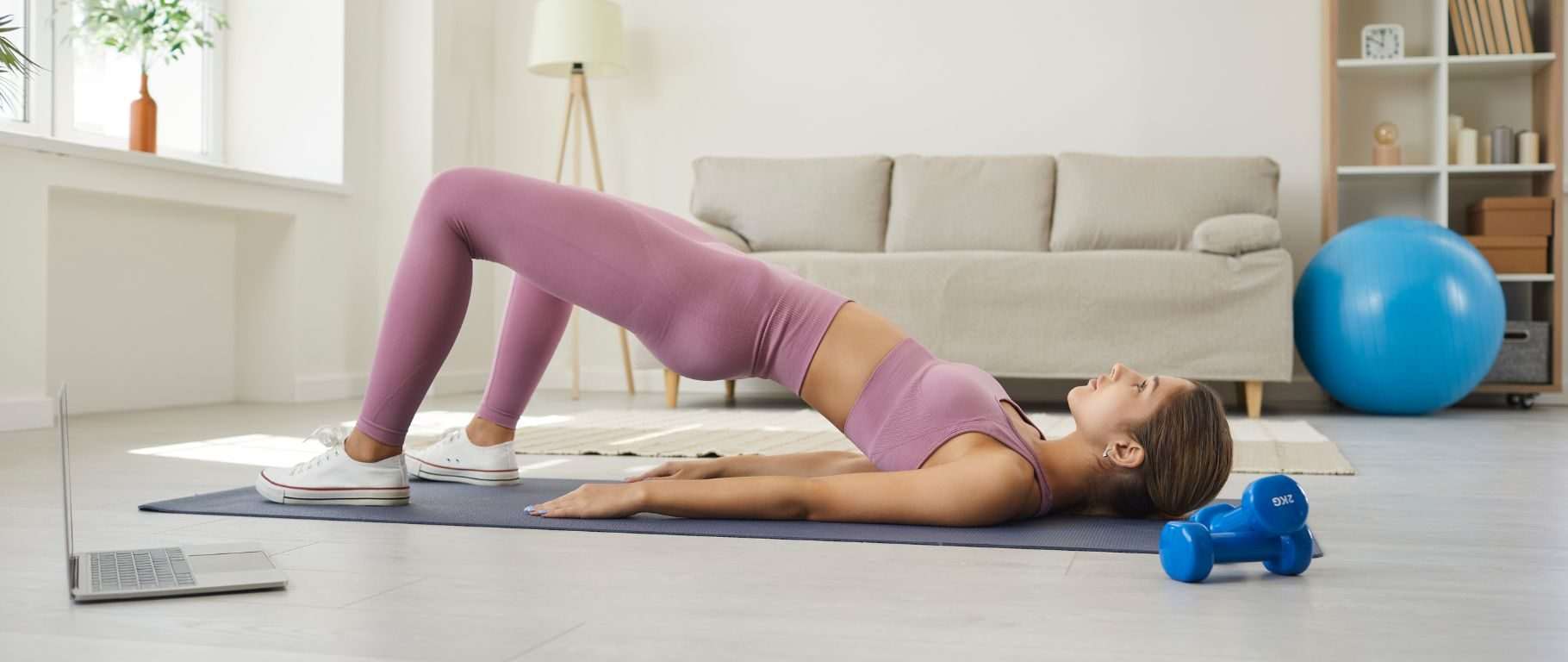
The postpartum period brings significant changes to a womans body, especially in the pelvic region. Pregnancy and childbirth can weaken or injure pelvic floor muscles, leading to symptoms such as incontinence, pelvic pain, and prolapse. Managing pelvic floor health after delivery is essential for recovery, comfort, and long-term wellness.
At YourFormSux (YFS) in Canada, we specialize in postpartum pelvic floor physiotherapy designed to support women through this critical phase and help restore pelvic function safely and effectively.
Why Postpartum Pelvic Floor Care Matters
Pregnancy stretches and weakens the pelvic floor muscles as they support the growing uterus and adapt to hormonal changes. Vaginal delivery, particularly with complications such as episiotomy or prolonged labor, can cause muscle trauma or nerve damage. Even cesarean delivery can impact pelvic muscles due to changes in posture and abdominal strength.
Without proper care, postpartum pelvic floor dysfunction can lead to:
Urinary or fecal incontinence.
Pelvic organ prolapse symptoms.
Chronic pelvic pain.
Sexual dysfunction.
Lower back or hip discomfort.
Early pelvic floor rehabilitation supports faster recovery and prevents these complications.
Signs You May Need Postpartum Pelvic Floor Physiotherapy
After childbirth, signs indicating the need for pelvic floor physiotherapy include:
Leakage of urine or stool.
Pelvic heaviness or pressure.
Pain during intercourse.
Difficulty controlling bowel movements.
Pain or tightness in the pelvic area or lower back.
These symptoms are common but should not be ignored. Timely intervention improves outcomes.
What to Expect from Postpartum Pelvic Floor Physiotherapy
A postpartum physiotherapy program begins with a thorough assessment, including:
Evaluation of pelvic floor muscle strength and coordination.
Assessment of posture, core muscles, and breathing patterns.
Discussion of symptoms and medical history.
Treatment focuses on:
Pelvic Floor Muscle Rehabilitation: Customized exercises to gently strengthen or relax muscles.
Manual Therapy: Techniques to reduce scar tissue, relieve muscle tightness, and promote healing.
Postural and Core Stability Training: Rebuilding abdominal and back muscles to support the pelvis.
Education: Guidance on body mechanics, lifting, and activity modifications.
Bladder and Bowel Training: Strategies to regain control and avoid straining.
At YFS, our pelvic health physiotherapists provide compassionate care tailored to each mothers unique needs and recovery goals.
Benefits of Physiotherapy After Childbirth
Accelerates pelvic floor muscle recovery.
Reduces risk of long-term incontinence and prolapse.
Alleviates pelvic and lower back pain.
Improves sexual function and comfort.
Enhances posture and core stability.
Builds confidence in physical activity and daily tasks.
Tips for Supporting Postpartum Pelvic Health
In addition to physiotherapy, mothers can support pelvic health by:
Practicing gentle pelvic floor exercises as advised by a physiotherapist.
Avoiding heavy lifting and high-impact activities early on.
Maintaining good posture during breastfeeding and daily care.
Staying hydrated and eating a high-fiber diet to prevent constipation.
Gradually increasing physical activity with professional guidance.
When to Start Postpartum Physiotherapy
Physiotherapy can begin as early as a few weeks after delivery, depending on individual recovery and medical advice. Early consultation helps address symptoms promptly and promotes optimal healing.
At YourFormSux (YFS) in Canada, we encourage new mothers to prioritize pelvic health as part of postpartum self-care. Our specialized programs support recovery and empower women to regain strength and confidence.
Conclusion
Managing pelvic floor health postpartum is vital for a smooth recovery and long-term wellness. Physiotherapy offers effective, personalized care to restore pelvic muscle function, reduce symptoms, and enhance quality of life after childbirth. If you are experiencing pelvic floor issues postpartum, reach out to a pelvic health physiotherapist at YFS for expert support and guidance.