Pelvic pain and a sensation of pressure are common complaints among women of all ages. These symptoms can arise from a variety of causes including muscle imbalances, childbirth trauma, pelvic organ prolapse, or chronic conditions like endometriosis.

Pelvic pain and a sensation of pressure are common complaints among women of all ages. These symptoms can arise from a variety of causes including muscle imbalances, childbirth trauma, pelvic organ prolapse, or chronic conditions like endometriosis. Left untreated, pelvic pain can interfere with daily activities, intimacy, and emotional well-being. Pelvic floor physiotherapy offers a safe, effective, and personalized approach to managing these symptoms through targeted exercises and manual therapies.
Understanding Pelvic Pain and Pressure
Pelvic pain is often multifactorial, involving muscles, nerves, joints, and connective tissues in the pelvic region. Pressure or heaviness sensations may indicate weakening or displacement of pelvic organs, often due to muscle dysfunction or prolapse. These symptoms may present as:
Aching or sharp pain in the lower abdomen, perineum, or lower back
Feeling of fullness or heaviness in the vagina or rectum
Discomfort during prolonged sitting, standing, or physical activity
Pain or tightness during intercourse
Difficulty with bowel or bladder movements
Identifying the root cause is crucial for effective management.
How Physiotherapy Helps Relieve Pelvic Pain and Pressure
Pelvic floor physiotherapists are trained to assess muscle tone, strength, and coordination, as well as posture and movement patterns that may contribute to pain. Treatment plans are designed to restore balance and function through a variety of techniques:
1. Pelvic Floor Muscle Training
Depending on assessment, therapy may include exercises to either strengthen weak muscles or relax overly tight muscles. Strengthening helps support pelvic organs and reduce pressure, while relaxation techniques ease spasms and pain.
2. Manual Therapy and Myofascial Release
Hands-on treatments can release tight bands and trigger points in pelvic muscles, improving blood flow and reducing discomfort. Myofascial release helps break down scar tissue or adhesions from previous surgeries or injuries.
3. Postural and Core Alignment Exercises
Poor posture and weak core muscles often exacerbate pelvic pain. Physiotherapy incorporates exercises to improve alignment, stabilize the core, and reduce unnecessary pelvic strain.
4. Breathing and Relaxation Techniques
Proper diaphragmatic breathing supports pelvic floor relaxation and reduces tension. Relaxation techniques also help manage pain perception and stress, which can worsen symptoms.
5. Bladder and Bowel Retraining
Pelvic pain may be linked to bladder or bowel dysfunction. Physiotherapists guide patients in developing healthy habits to avoid irritating the pelvic floor muscles.
Common Physiotherapy Exercises for Pelvic Pain
Pelvic Tilts: Helps mobilize the pelvis and relieve stiffness.
Kegels or Reverse Kegels: Depending on muscle tone, these exercises strengthen or relax pelvic floor muscles.
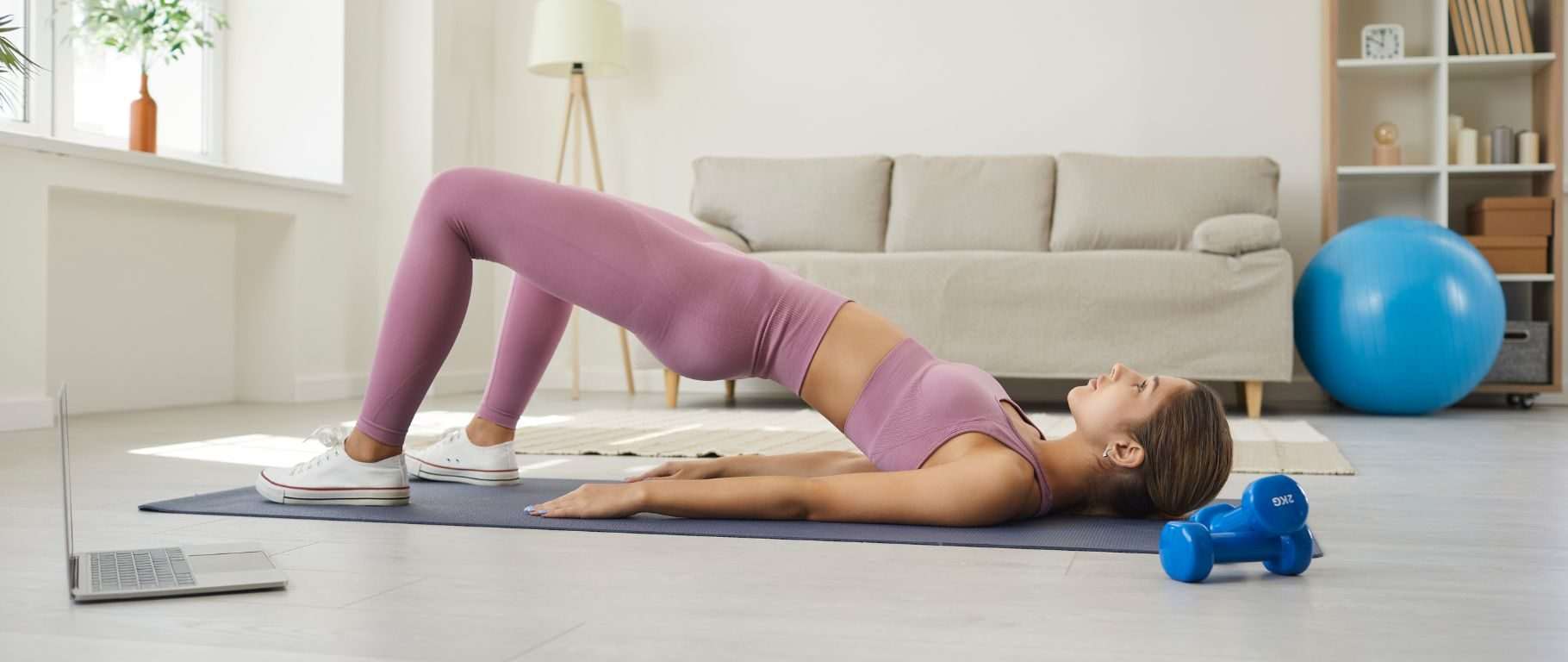
Bridge Pose: Strengthens glutes and core, supporting the pelvic area.
Childs Pose and Hip Openers: Stretches pelvic muscles and relieves tension.
Breathing Exercises: Diaphragmatic breathing to promote relaxation.
Who Benefits Most from Pelvic Floor Physiotherapy?
Women experiencing pelvic pain or pressure after childbirth, those with prolapse symptoms, chronic pelvic pain conditions, or pelvic trauma can benefit from physiotherapy. Early intervention helps prevent symptom worsening and supports faster recovery.
The Importance of Professional Assessment
Self-diagnosing pelvic pain can lead to ineffective or even harmful exercises. Consulting a pelvic floor physiotherapist ensures accurate diagnosis, personalized treatment, and safe progression of exercises.
Holistic Benefits Beyond Pain Relief
Physiotherapy not only alleviates pelvic pain but also improves mobility, enhances sexual health, and boosts overall confidence. Patients often report better sleep, reduced anxiety, and improved quality of life following treatment.
Taking Control of Your Pelvic Health
Pelvic pain and pressure dont have to control your life. With professional guidance and a tailored exercise plan, you can regain comfort, strength, and function. Start your journey toward relief by seeking expert pelvic floor physiotherapy today.