Menopause is a natural life transition, but it often brings with it a variety of physical changes that impact a woman’s pelvic health. One of the most common and disruptive issues during this stage is pelvic painranging from deep pelvic aches to pain during intercourse or sitting.

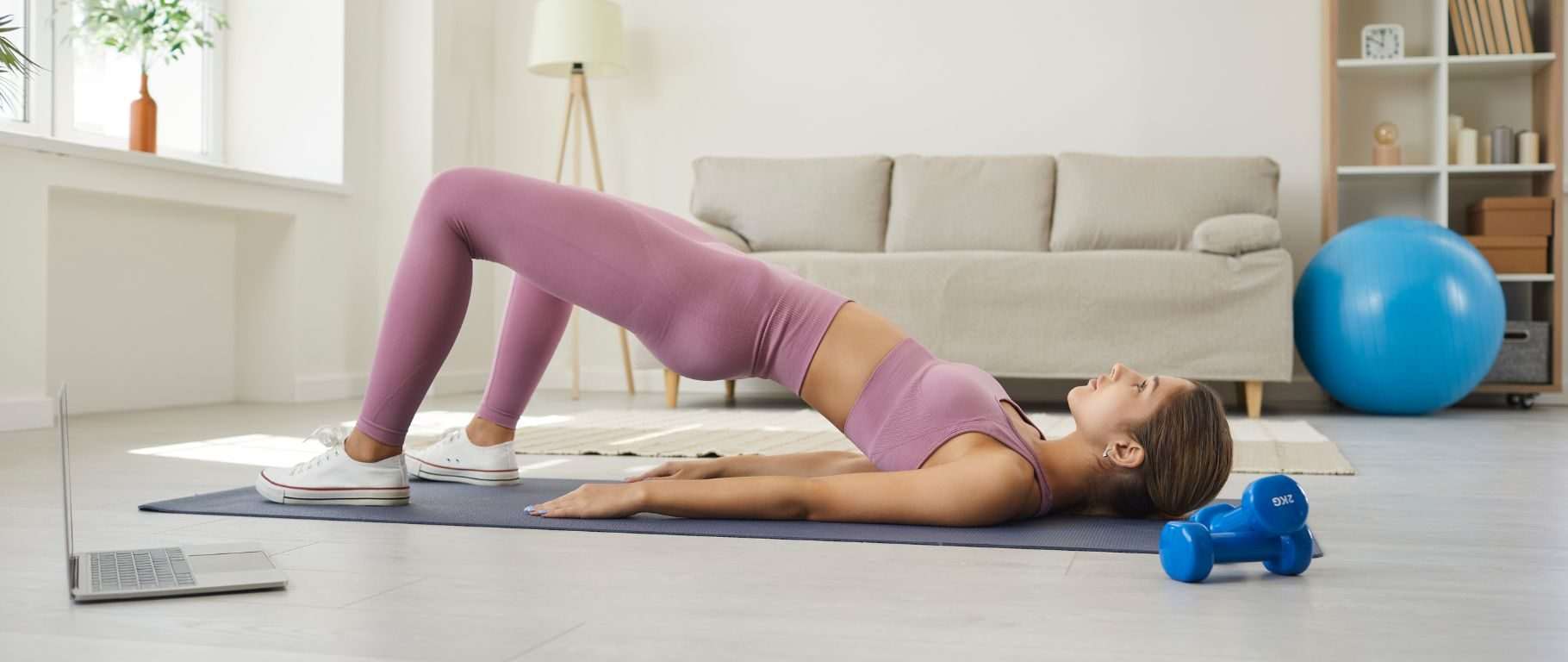
Menopause is a natural life transition, but it often brings with it a variety of physical changes that impact a woman’s pelvic health. One of the most common and disruptive issues during this stage is pelvic painranging from deep pelvic aches to pain during intercourse or sitting. Fortunately, pelvic floor physiotherapy offers a safe, effective, and non-invasive solution to manage and relieve pelvic pain during menopause.
Understanding Pelvic Pain During Menopause
As estrogen levels decline during menopause, the tissues in the pelvic region begin to thin, lose elasticity, and become more prone to irritation and injury. The result can be increased sensitivity, tightness, and pain in the pelvic floor muscles and surrounding areas.
Pelvic pain in menopausal women often presents as:
Vaginal dryness and discomfort
Pain during or after sexual activity
Burning or aching sensations in the pelvic region
Muscle spasms or tightness in the pelvic floor
Pain when sitting or during daily activities
These symptoms are not simply a normal part of agingthey are treatable and manageable with the right approach.
Causes of Pelvic Pain in Menopause
The pain often stems from several overlapping factors, including:
Hormonal changes that reduce tissue lubrication and flexibility
Overactive pelvic floor muscles caused by stress, poor posture, or chronic clenching
Scarring or tension from previous childbirth or surgeries
Chronic constipation or poor bladder habits
Lack of movement or exercise leading to weakened support structures
Each womans experience with pelvic pain is unique, which is why individualized physiotherapy plans are critical for successful management.
How Physiotherapy Addresses Menopausal Pelvic Pain
Pelvic floor physiotherapy focuses on restoring balance, function, and comfort in the pelvic region. A certified physiotherapist begins with a detailed assessmentoften including internal evaluationto determine the condition of the muscles, tissues, and nerves.
Physiotherapy for pelvic pain includes:
Manual therapy to release tight muscles, mobilize joints, and reduce trigger points
Pelvic floor relaxation training to address chronic muscle tension
Breathing techniques to calm the nervous system and reduce clenching
Postural and movement education to eliminate stress on pelvic structures
Guided stretching and strengthening to build resilience and improve mobility
These techniques work together to reduce inflammation, improve blood flow, and promote healing in the affected areas.
The Role of Muscle Coordination and Relaxation
Many women believe pelvic floor issues are solely about weaknessbut in menopausal pelvic pain, overactivity or tightness is often the problem. Physiotherapists teach how to recognize and release unnecessary tension in the pelvic muscles. This includes gentle exercises and positioning that encourage full relaxation, not just strength.
For instance, diaphragmatic breathing, hip openers, and supported stretches help break the cycle of pain and muscle guarding that often accompanies pelvic discomfort.
Supporting Tissue Health Through Education
Physiotherapy goes beyond just exercisesit includes essential education about bladder and bowel habits, hydration, sexual health, and lifestyle adjustments that support pelvic function. Small changes like proper toilet posture or better hydration can have a big impact on reducing strain and promoting healing.
In cases where tissue dryness or atrophy is contributing to pain, physiotherapists may also recommend collaborating with other healthcare providers for supportive therapies.
Benefits of Physiotherapy for Menopausal Women
Women who engage in pelvic floor physiotherapy during menopause often report:
Less pelvic pain and discomfort
Improved comfort during intimacy
Increased mobility and ease in daily activities
Greater pelvic awareness and control
Better posture and reduced lower back pain
Importantly, physiotherapy provides a proactive way to maintain pelvic health as the body changes with age. It empowers women to stay active, independent, and confident in their bodies.
When to Seek Help
If pelvic pain is interfering with your daily life, physical activity, or emotional well-being, it’s time to consult a pelvic floor physiotherapist. Theres no need to suffer in silenceearly intervention can significantly improve outcomes and quality of life.
Signs you may benefit include:
Pain that doesnt resolve on its own
Avoidance of intimacy due to discomfort
Difficulty sitting or moving without pain
Increased sensitivity in the pelvic or genital region
Redefining Menopause With Physiotherapy
Menopause doesnt have to mean living with discomfort or limitations. With expert physiotherapy care, pelvic pain can be addressed directly and safely. The goal is to help you move freely, enjoy intimacy without fear, and feel strong and supported during this next chapter of life.