Pelvic pain is a deeply disruptive condition that affects many women in Canada, often impacting their quality of life, relationships, and mental well-being. Whether it’s chronic pelvic pain, post-partum discomfort, or pain associated with pelvic floor dysfunction, effective and long-lasting relief starts with the right therapeutic approach.

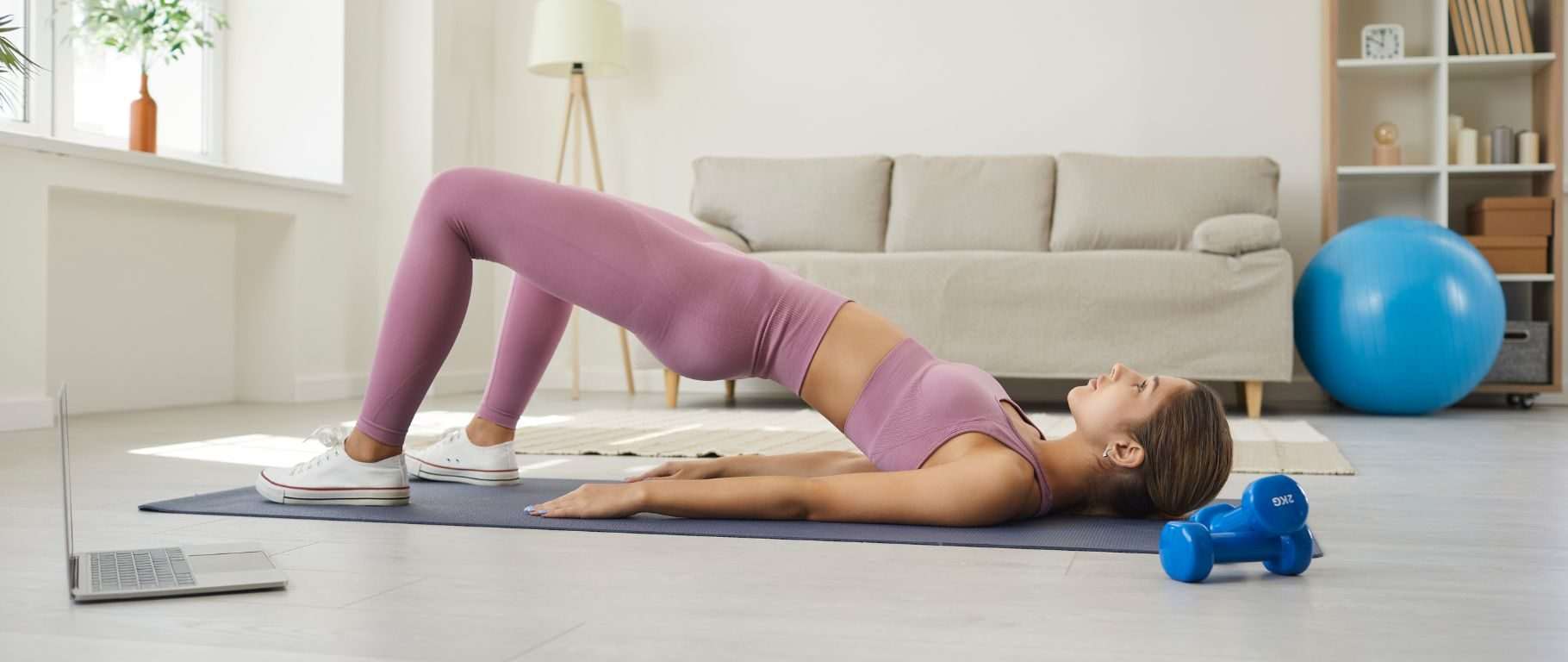
Pelvic pain is a deeply disruptive condition that affects many women in Canada, often impacting their quality of life, relationships, and mental well-being. Whether it’s chronic pelvic pain, post-partum discomfort, or pain associated with pelvic floor dysfunction, effective and long-lasting relief starts with the right therapeutic approach. At YourFormSux (YFS), we focus on physiotherapy methods designed specifically to support pelvic health and ease persistent pelvic discomfort.
In this blog, well explore how physiotherapy helps manage pelvic pain through evidence-based techniques and how you can start your journey to pain relief with a professional pelvic health physiotherapist.
Understanding Pelvic Pain
Pelvic pain refers to any pain that occurs in the lower abdominal or pelvic region. It can be caused by a variety of conditions, including endometriosis, bladder issues, pelvic floor muscle dysfunction, or injuries from childbirth or surgery. For many women, pelvic pain can be cyclic (linked to menstruation), constant, or triggered by certain activities like sitting, exercising, or intercourse.
Traditional treatment often involves medications or even surgery, but these approaches dont always address the root causeespecially when the source is muscular or functional. Thats where physiotherapy comes in.
How Physiotherapy Targets Pelvic Pain
Physiotherapy is an evidence-based, non-invasive treatment approach that identifies and addresses the underlying causes of pelvic discomfort. Physiotherapists who specialize in pelvic health assess muscle tone, posture, alignment, movement patterns, and lifestyle factors that contribute to pain.
Heres how physiotherapy works in managing pelvic pain effectively:
1. Pelvic Floor Muscle Assessment and Rehabilitation
Pelvic pain often stems from overactive, tight, or uncoordinated pelvic floor muscles. A trained physiotherapist will evaluate your pelvic floor internally and externally to determine if muscle imbalances or trigger points are contributing to your pain. They may use manual therapy, stretching, and specific exercises to release tight muscles and retrain function.
2. Manual Therapy for Pain Relief
Hands-on manual therapy techniques like myofascial release, trigger point therapy, and connective tissue mobilization help reduce tension in the pelvic region. These techniques are especially effective in treating scar tissue after childbirth, surgery, or trauma that can lead to chronic pain.
3. Posture and Alignment Correction
Poor posture and misalignment of the hips, spine, or pelvis can place excess pressure on the pelvic floor muscles. Physiotherapists assess your posture and walking patterns to identify imbalances. Corrective exercises, stretches, and ergonomic advice help you maintain better alignment and reduce unnecessary strain.
4. Breathing and Core Integration
Diaphragmatic breathing plays a crucial role in pelvic floor function. Learning to coordinate your breath with your pelvic floor and core muscles helps relax tension and improve muscle control. Physiotherapists guide you through breathwork exercises that support healing and prevent recurring pain.
5. Movement Retraining and Lifestyle Modifications
Everyday activities like lifting, bending, or prolonged sitting can aggravate pelvic pain. Your physiotherapist teaches pain-free movement strategies and suggests activity modifications that reduce pressure on your pelvis. This proactive approach empowers you to move confidently without fear of pain.
When to Seek Physiotherapy for Pelvic Pain
If youre experiencing symptoms such as:
Pain during or after intercourse
Pain when sitting for long periods
Lower back, hip, or groin pain that doesnt respond to general treatment
Ongoing discomfort post-childbirth or surgery
Urinary or bowel issues linked to muscle tension
it may be time to consult a pelvic health physiotherapist.
At YFS, our pelvic physiotherapy programs are customized for your specific needs, helping you regain control over your health without relying solely on medications or invasive treatments.
The Benefits of Early Intervention
The earlier pelvic pain is addressed, the easier it is to prevent long-term dysfunction and complications. Physiotherapy helps break the pain cycle, reduce inflammation, restore muscle balance, and reintroduce normal movement patternsall of which accelerate healing.
Clients who start pelvic physiotherapy early often report significant improvements in pain, posture, core stability, and emotional well-being.
Final Thoughts
Pelvic pain can feel isolating, frustrating, and overwhelmingbut it doesnt have to be a life sentence. With specialized pelvic health physiotherapy at YFS, you can discover real solutions that address the root causes of pain and help you restore physical function and confidence.
Whether your pain is chronic, postpartum, or unexplained, physiotherapy offers a personalized, holistic approach that works. Take the first step toward healingyour pelvic health matters, and were here to support you.