Managing Postpartum Hormonal Imbalances with Physiotherapy explores targeted strategies for recovery. Discover new paths to mobility, healing, and personalized care.

The postpartum period is a time of tremendous changephysically, emotionally, and hormonally. After childbirth, your body undergoes significant hormonal shifts as it transitions from pregnancy to non-pregnant states. These changes can sometimes lead to imbalances that affect mood, energy, pelvic health, and overall well-being.
Physiotherapy offers targeted support to help new mothers manage postpartum hormonal imbalances, regain strength, and restore balance to their bodies. Lets explore how physiotherapy can play a vital role in postpartum recovery.
Understanding Postpartum Hormonal Changes
After birth, levels of estrogen and progesterone drop sharply, while prolactin (which supports breastfeeding) increases. These shifts can cause symptoms such as:
Fatigue and mood fluctuations
Pelvic floor weakness or pain
Urinary or fecal incontinence
Abdominal muscle separation (diastasis recti)
Back and pelvic pain
Supporting your body during this time is crucial for healing and preventing long-term issues.
How Physiotherapy Helps Postpartum Hormonal Balance
Pelvic Floor Rehabilitation
Childbirth can stretch or injure pelvic floor muscles, contributing to weakness and discomfort. Physiotherapists guide you through safe, effective exercises to restore pelvic floor strength, improving continence and pelvic stability.
Core Re-education
Abdominal muscles often separate during pregnancy. Physiotherapy focuses on gently reconnecting and strengthening the core muscles, which supports posture and reduces back pain.
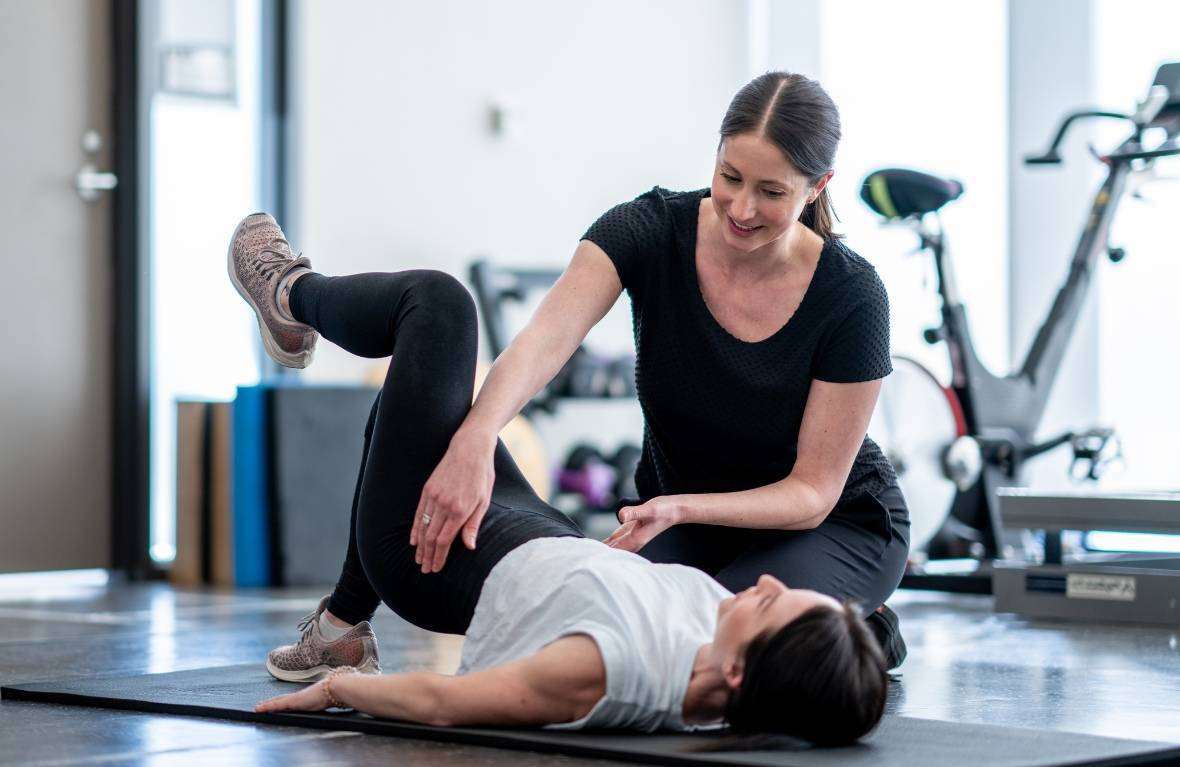
Pain Management and Manual Therapy
Physiotherapists use hands-on techniques to relieve pelvic, lower back, or hip pain, which can be aggravated by hormonal and biomechanical changes postpartum.
Postural Training
Caring for a newborn often involves prolonged feeding and carrying, which can strain the neck, shoulders, and back. Physiotherapy helps correct posture and prevent musculoskeletal issues.
Breathing and Relaxation Techniques
Postpartum hormonal shifts can increase anxiety and affect sleep. Breathing exercises and relaxation strategies support the nervous system and overall well-being.
Education on Safe Movement
Learning how to move safely with your changing body protects healing tissues and promotes gradual return to activity.
Benefits of Physiotherapy in Postpartum Recovery
Enhanced pelvic floor function and continence
Improved core strength and posture
Reduced pain and discomfort
Better mood regulation and stress relief
Increased confidence in physical abilities
When to Seek Physiotherapy Postpartum
Its ideal to consult a physiotherapist soon after delivery, especially if you experience pain, incontinence, or abdominal separation. Early intervention can prevent persistent problems and support a smoother recovery.
Final Thoughts
Navigating postpartum hormonal imbalances can be challenging, but physiotherapy provides personalized, effective support to help your body heal and adapt. With expert guidance, you can restore strength, ease discomfort, and embrace motherhood with greater comfort and confidence.