Managing Postpartum Hormonal Shifts with Physiotherapy explores targeted strategies for recovery. Discover new paths to mobility, healing, and personalized care.

The postpartum period is a time of tremendous changephysically, emotionally, and hormonally. After childbirth, your body undergoes significant hormonal shifts as it recovers and adjusts. These changes can lead to a range of symptoms, including fatigue, mood swings, pelvic discomfort, and muscle weakness. While motherhood is a beautiful journey, it can also be challenging. Thankfully, physiotherapy offers effective support to help you navigate postpartum hormonal shifts and regain your strength and well-being.
At YourFormsUX, we believe every new mother deserves compassionate care tailored to her unique postpartum needs. Lets explore how physiotherapy can make a real difference during this critical phase.
Understanding Postpartum Hormonal Changes
After delivery, levels of pregnancy hormones like estrogen and progesterone drop rapidly. This hormonal rollercoaster affects various systems in your body:
Muscle tone and strength decrease, especially in the abdominal and pelvic areas.
Joint laxity remains elevated for weeks, increasing injury risk.
Mood and energy fluctuate due to hormonal and lifestyle changes.
Sleep disturbances are common, impacting recovery.
Pelvic floor dysfunction can cause incontinence or discomfort.
These changes often coincide with the physical demands of caring for a newborn, making postpartum recovery a complex challenge.
How Physiotherapy Supports Postpartum Recovery
Physiotherapy provides a holistic approach to manage symptoms and support your bodys healing process:
Pelvic Floor Rehabilitation
Pregnancy and childbirth can weaken pelvic floor muscles, leading to urinary incontinence, pelvic pain, or prolapse. Physiotherapists specialize in pelvic floor exercises and techniques to restore strength and function.
Core Strengthening and Stability
The abdominal muscles stretch and separate during pregnancy (diastasis recti). Physiotherapy offers safe, progressive exercises to rebuild core strength and support spinal stability.
Pain Management and Mobility
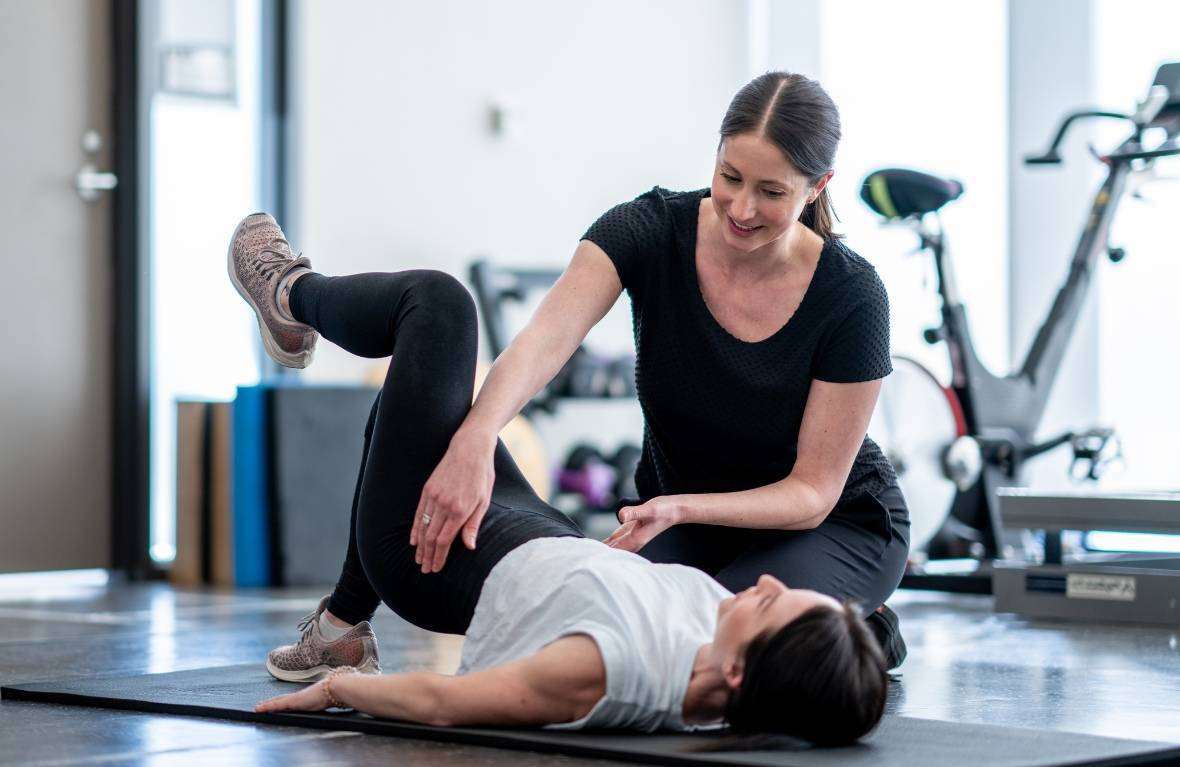
Manual therapy and targeted stretches relieve back, hip, and pelvic pain. Improving mobility helps you move more comfortably as you care for your baby.
Posture and Ergonomic Advice
New mothers often adopt awkward postures while breastfeeding or lifting. Physiotherapists provide guidance to prevent strain and promote optimal body mechanics.
Stress Reduction and Relaxation
Techniques such as breathing exercises and gentle movement help lower stress hormones and support emotional well-being.
Creating a Personalized Postpartum Physiotherapy Plan
Every postpartum journey is different. Physiotherapists assess your individual needs and design a tailored plan that considers your physical condition, delivery type, lifestyle, and goals. Whether you had a vaginal birth or cesarean, physiotherapy can adapt exercises and treatments accordingly.
Why Physiotherapy is Essential Postpartum
Recovering after childbirth isnt just about restits about actively rebuilding your body safely and effectively. Physiotherapy helps prevent long-term complications like chronic pelvic pain, urinary incontinence, or back problems.
At YourFormsUX, we connect Canadian mothers with expert physiotherapists who understand postpartum hormonal shifts and recovery challenges. Their compassionate care supports your journey to regain strength, confidence, and balance.
Final Thoughts
Postpartum hormonal shifts can be overwhelming, but with the right support, recovery becomes more manageable. Physiotherapy offers targeted care that addresses the physical and emotional effects of childbirth, helping you restore function and well-being.
If youre a new mother experiencing discomfort or fatigue, consider consulting a physiotherapist to guide your postpartum recovery. Your bodyand your new lifedeserve the best care possible.