Repetitive stress injuries (RSIs), also known as overuse injuries, occur when a specific part of the body is repeatedly stressed due to repetitive movements or sustained postures over time. These injuries are common in individuals who perform repetitive tasks, such as athletes, office workers, manual laborers, or anyone engaged in activities that put stress on …

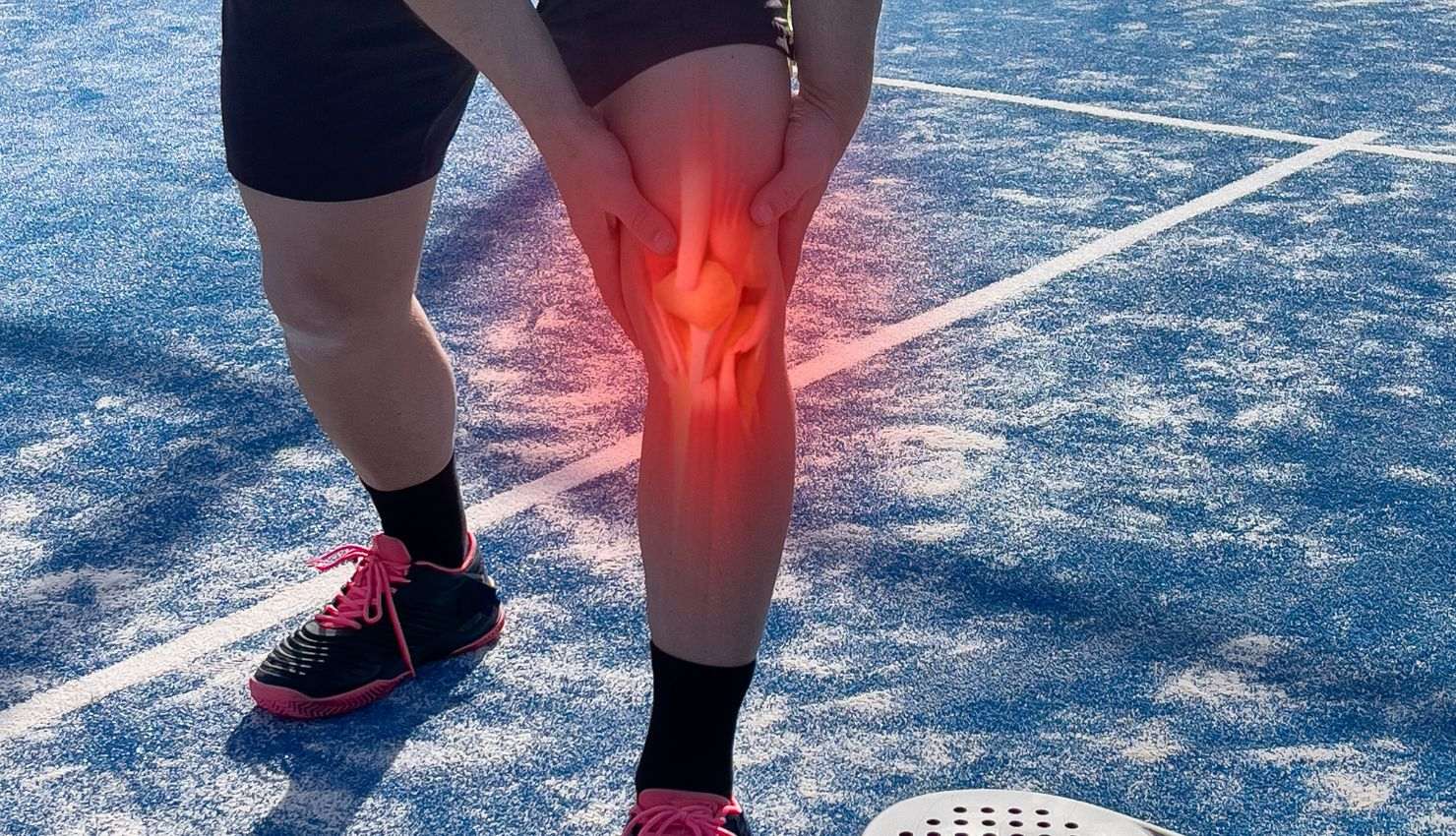
Repetitive stress injuries (RSIs), also known as overuse injuries, occur when a specific part of the body is repeatedly stressed due to repetitive movements or sustained postures over time. These injuries are common in individuals who perform repetitive tasks, such as athletes, office workers, manual laborers, or anyone engaged in activities that put stress on certain muscles, tendons, or joints. Physiotherapy plays a vital role in managing, treating, and preventing RSIs by reducing pain, restoring function, and improving movement patterns.
Heres how physiotherapy can help you manage and recover from repetitive stress injuries:
### **1. Comprehensive Assessment and Diagnosis**
The first step in managing an RSI with physiotherapy is a thorough assessment. A physiotherapist will evaluate the affected body part, identify the root cause of the injury, and understand how it affects your daily life and activities. This comprehensive diagnosis allows the physiotherapist to design a personalized treatment plan.
#### **What the Physiotherapist Assesses:**
* **Pain History**: Understanding when and where the pain occurs, how long it has been present, and any activities that exacerbate it.
* **Postural and Movement Analysis**: Identifying any postural imbalances or faulty movement patterns that may be contributing to the injury.
* **Range of Motion (ROM)**: Assessing the flexibility and mobility of the affected joint or muscle to determine any limitations caused by the repetitive activity.
* **Muscle Strength and Imbalance**: Evaluating the strength of the muscles surrounding the injured area to detect weakness or imbalances that may be contributing to the RSI.
—
### **2. Pain Management and Inflammation Control**
Repetitive stress injuries often result in pain and inflammation, which can hinder the healing process. Physiotherapists use various techniques to reduce pain, manage inflammation, and promote the healing of the affected tissues.
#### **Techniques Used for Pain and Inflammation Management:**
* **Ice Therapy (Cryotherapy)**: Ice is applied to reduce swelling, numb the affected area, and alleviate pain, especially in the acute stages of the injury.
* **Heat Therapy**: Heat therapy helps relax tight muscles, improve circulation, and reduce muscle spasms after the initial inflammation has decreased.
* **Transcutaneous Electrical Nerve Stimulation (TENS)**: TENS involves the use of electrical impulses to reduce pain by stimulating sensory nerves and promoting the release of natural painkillers (endorphins).
* **Ultrasound Therapy**: Therapeutic ultrasound uses sound waves to increase blood flow, reduce inflammation, and promote the healing of soft tissue around the affected area.
—
### **3. Restoring Range of Motion (ROM) and Flexibility**
An RSI often causes stiffness or limited movement in the affected joint or muscle. Restoring range of motion (ROM) and flexibility is crucial to reduce pain and improve functional movement. Physiotherapists guide patients through exercises and manual techniques to help restore flexibility.
#### **How ROM and Flexibility Exercises Help:**
* **Joint Mobilization**: Physiotherapists use hands-on techniques to gently mobilize joints and improve their range of motion. This can help reduce stiffness and discomfort caused by the injury.
* **Stretching Exercises**: Regular stretching helps improve muscle flexibility, which can reduce tightness, prevent further strain, and increase the mobility of the affected area.
* **Active and Passive ROM Exercises**: Physiotherapists will guide you through exercises where you move the joint or muscle actively or with assistance to restore movement and reduce stiffness.
—
### **4. Strengthening Exercises to Address Imbalances**
Muscle imbalances, weakness, and poor muscle control often contribute to repetitive stress injuries. Strengthening exercises focus on improving muscle strength, addressing weaknesses, and reducing the strain on the injured area.
#### **How Strengthening Helps:**
* **Muscle Support**: Strengthening the muscles around the injured area helps provide better support to the joints and reduces the risk of further injury.
* **Improved Stability**: Stronger muscles stabilize the affected area and help reduce the mechanical stress that leads to RSIs. This is particularly important for areas like the wrist, shoulder, knee, and lower back.
* **Preventing Recurrence**: Strengthening exercises prevent re-injury by ensuring that muscles are balanced, properly activated, and able to handle repetitive activities without excessive strain.
#### **Common Strengthening Exercises:**
* **Isometric Strengthening**: These exercises involve contracting the muscles without moving the joint. Isometric exercises are helpful for early-stage recovery when the injured area is still sensitive.
* **Progressive Resistance Training**: Resistance exercises (using bands, weights, or body weight) help build muscle strength over time. They are progressively increased as the injured area heals and strength improves.
* **Functional Movement Training**: Physiotherapists incorporate functional exercises that mimic real-life activities (like lifting, bending, or reaching) to build strength and control around the injured area.
—
### **5. Postural and Ergonomic Training**
Improper posture and ergonomics are common contributing factors to RSIs. Physiotherapists educate patients on how to maintain proper posture and set up their workspaces to reduce strain on the body. Correcting body mechanics during daily activities is crucial for preventing further injuries.
#### **How Postural and Ergonomic Education Helps:**
* **Proper Body Alignment**: Physiotherapists teach how to sit, stand, and sleep with proper posture to reduce strain on the muscles and joints affected by repetitive movements.
* **Ergonomic Adjustments**: Physiotherapists provide recommendations for workstation setups, including chair height, keyboard positioning, and monitor placement, to prevent overuse injuries, particularly in desk jobs or those involving repetitive hand and arm movements.
* **Correcting Movement Patterns**: Education on how to perform everyday tasks, such as lifting, bending, and carrying, with proper body mechanics can prevent additional strain on the affected body part.
—
### **6. Manual Therapy for Soft Tissue Relief**
Manual therapy techniques help release tight muscles, reduce muscle spasms, and improve tissue mobility. These techniques are especially effective in treating soft tissue injuries and addressing muscle imbalances caused by repetitive stress.
#### **Manual Therapy Techniques:**
* **Myofascial Release**: This technique targets the fascia (connective tissue surrounding muscles) to release tension and improve flexibility in the affected muscles.
* **Deep Tissue Massage**: Deep tissue massage is used to relieve chronic muscle tension, break up adhesions, and promote circulation, all of which help alleviate pain associated with RSIs.
* **Trigger Point Therapy**: Physiotherapists apply pressure to specific areas of muscle tightness (known as trigger points) to reduce pain and improve muscle function.
—
### **7. Rest and Pacing**
While physiotherapy promotes activity and movement, rest is also a crucial part of recovery. Physiotherapists help you understand the importance of balancing activity and rest to avoid overloading the injured area.
#### **How Rest and Pacing Help:**
* **Avoiding Overuse**: Overuse of the injured muscle can delay healing and worsen symptoms. Physiotherapists teach you how to manage your activity level to prevent flare-ups and re-injury.
* **Restorative Rest**: Active recovery allows for healing while maintaining some movement. Passive rest, when required, helps the tissue repair and prevents further irritation.
* **Gradual Return to Activity**: Once pain subsides, physiotherapists help you progressively return to full activity, ensuring that the injured area is adequately prepared and protected.
—
### **8. Psychological Support and Motivation**
Dealing with an RSI can be frustrating and disheartening, especially if recovery feels slow. Physiotherapists provide motivation and emotional support to help you stay positive throughout the rehabilitation process.
#### **How Physiotherapy Helps Psychologically:**
* **Goal Setting**: Physiotherapists help set small, achievable goals that encourage steady progress and provide a sense of accomplishment.
* **Pain Coping Strategies**: Physiotherapists teach relaxation techniques, breathing exercises, or mindfulness practices to help manage pain and reduce stress related to the injury.
* **Boosting Confidence**: By progressively improving strength, mobility, and function, physiotherapists help boost patients’ confidence, ensuring they can return to their activities without fear of further injury.
—
### **9. Long-Term Injury Prevention**
Physiotherapists dont just focus on treating the immediate injury; they also provide strategies to prevent future injuries and manage repetitive movements more effectively in the long run.
#### **Preventive Measures:**
* **Customized Exercise Programs**: Physiotherapists design long-term exercise programs that address muscle imbalances, improve strength, and increase flexibility to prevent future RSIs.
* **Ongoing Education**: Patients are educated on injury prevention techniques, including proper posture, ergonomics, and pacing, to avoid strain on the body during work and daily activities.
* **Self-Care Techniques**: Physiotherapists provide self-care strategies, such as stretching routines, strengthening exercises, and warm-up and cool-down techniques, to maintain physical health and prevent RSIs.
—
### **Conclusion**
Physiotherapy is a crucial part of managing and preventing repetitive stress injuries. By combining pain relief techniques, strengthening exercises, manual therapy, and education on posture and ergonomics, physiotherapists help patients recover from RSIs and return to their normal activities with less pain and a lower risk of re-injury. Whether you’re dealing with an RSI from sports, work, or daily tasks, physiotherapy offers a personalized approach to healing and prevention that enhances long-term health and mobility.