Shoulder pain is a common complaint that can stem from various conditions, including rotator cuff injuries, tendonitis, arthritis, frozen shoulder (adhesive capsulitis), bursitis, or even poor posture. Whether from a specific injury, overuse, or degenerative changes, shoulder pain can significantly affect your daily activities, such as reaching, lifting, and even sleeping.

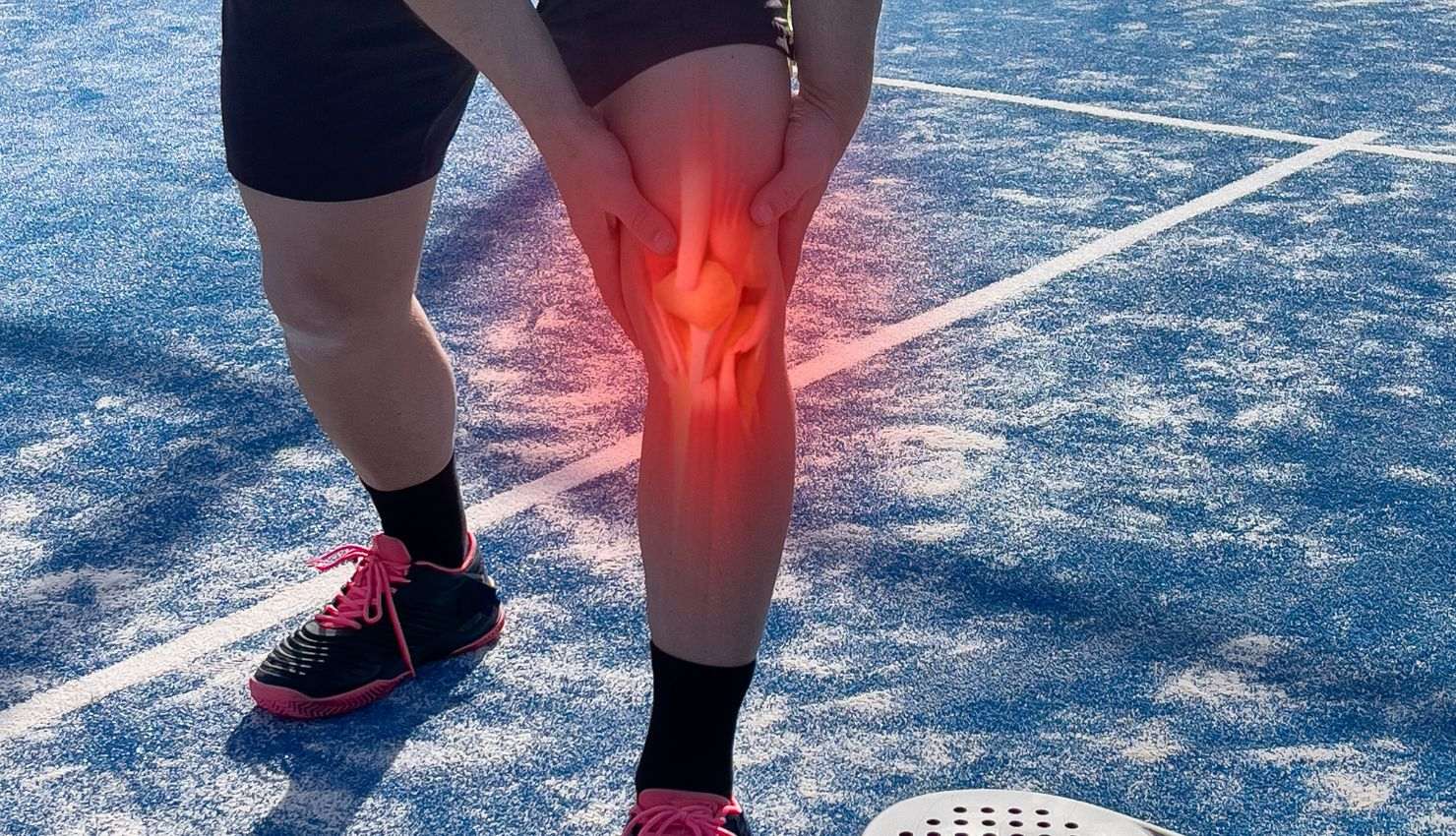
Shoulder pain is a common complaint that can stem from various conditions, including rotator cuff injuries, tendonitis, arthritis, frozen shoulder (adhesive capsulitis), bursitis, or even poor posture. Whether from a specific injury, overuse, or degenerative changes, shoulder pain can significantly affect your daily activities, such as reaching, lifting, and even sleeping. Physiotherapy plays a key role in managing shoulder pain by addressing the underlying causes, improving movement, and reducing discomfort.
Heres how physiotherapy helps manage shoulder pain:
### **1. Thorough Assessment and Diagnosis**
The first step in physiotherapy is a thorough evaluation of the shoulders condition. A physiotherapist will assess your symptoms, the severity of the pain, and any limitations in movement to help identify the root cause of your pain.
#### **What Happens During the Assessment:**
* **Medical History Review**: The physiotherapist will ask about your shoulder pain, its duration, intensity, and any activities that aggravate it. They’ll also inquire about previous injuries or medical conditions that could affect your shoulder.
* **Physical Examination**: The physiotherapist will assess your shoulders range of motion (ROM), strength, and flexibility. They may also perform specific tests to identify conditions such as rotator cuff injuries, impingement, or frozen shoulder.
* **Postural and Movement Analysis**: Poor posture or improper movement patterns can contribute to shoulder pain. The physiotherapist will evaluate how you use your shoulder in daily activities, including your posture when sitting, standing, or performing overhead tasks.
Once the assessment is complete, the physiotherapist will create a tailored treatment plan focused on alleviating pain, restoring mobility, and strengthening the shoulder.
—
### **2. Pain Management Techniques**
In the early stages of treatment, managing pain and inflammation is crucial to allow the shoulder to heal and begin the rehabilitation process. Physiotherapists use various techniques to reduce discomfort and provide relief.
#### **Pain Relief Methods:**
* **Ice and Heat Therapy**: Ice can reduce inflammation and numb pain, especially if the shoulder pain is due to acute injury or swelling. Heat therapy is helpful for relaxing tight muscles and improving blood circulation when dealing with chronic shoulder pain.
* **TENS (Transcutaneous Electrical Nerve Stimulation)**: TENS uses electrical impulses to stimulate the nerves, blocking pain signals and providing temporary pain relief by stimulating the release of endorphins (natural painkillers).
* **Ultrasound Therapy**: Therapeutic ultrasound uses sound waves to penetrate deep into tissues, promoting circulation and reducing inflammation in the shoulder. This helps relieve pain, particularly from tendonitis or bursitis.
* **Manual Therapy**: Physiotherapists use hands-on techniques, such as joint mobilizations and soft tissue release, to reduce muscle tightness, improve joint mobility, and alleviate pain. This can be especially helpful for conditions like frozen shoulder or adhesive capsulitis.
Pain management techniques in physiotherapy allow for more comfortable movement and set the stage for further rehabilitation.
—
### **3. Restoring Range of Motion (ROM)**
Shoulder pain often leads to stiffness and a limited range of motion (ROM), which can make even basic movements painful. Restoring ROM is a primary goal of physiotherapy to improve the shoulders flexibility and allow for smooth, pain-free motion.
#### **How Physiotherapy Restores ROM:**
* **Gentle Joint Mobilization**: For conditions like frozen shoulder, physiotherapists use manual joint mobilization techniques to gradually stretch the shoulder capsule and improve joint mobility.
* **Active and Passive Range-of-Motion Exercises**: In the early stages of rehabilitation, passive ROM exercises (where the physiotherapist moves your shoulder for you) help to gently stretch and mobilize the shoulder. As healing progresses, active ROM exercises (where you actively move your shoulder) are introduced to improve flexibility and reduce stiffness.
* **Stretching**: Targeted stretching of the shoulder muscles, tendons, and ligaments helps improve the flexibility of the shoulder joint and reduce muscle tightness, which can alleviate pain and improve movement.
Restoring ROM helps reduce discomfort caused by stiffness and allows you to return to normal daily activities with less pain and more mobility.
—
### **4. Strengthening the Shoulder Muscles**
Weak muscles around the shoulder joint contribute to pain and dysfunction. Strengthening the muscles that support the shoulder is essential for improving stability, preventing further injury, and alleviating pain.
#### **How Strengthening Exercises Help with Shoulder Pain:**
* **Rotator Cuff Strengthening**: The rotator cuff muscles play a vital role in stabilizing the shoulder joint. Strengthening these muscles helps support the joint and reduces pain caused by overuse or rotator cuff injuries. Physiotherapists use targeted exercises to strengthen the rotator cuff and improve shoulder stability.
* **Upper Back and Shoulder Blade Strengthening**: Strengthening the muscles of the upper back, shoulder blades (scapula), and chest helps improve shoulder mechanics and posture, which can relieve pain. Stronger muscles around the shoulder joint reduce the load on the joint itself.
* **Progressive Resistance Training**: Physiotherapists use progressive resistance exercises to help strengthen the muscles gradually. This allows patients to build strength without putting excessive strain on the injured area.
By strengthening the muscles that stabilize and support the shoulder, physiotherapy helps reduce strain, alleviate pain, and prevent future injuries.
—
### **5. Postural and Movement Education**
Poor posture or improper movement patterns often contribute to or exacerbate shoulder pain. Physiotherapists provide education on how to maintain proper posture and avoid movements that could stress the shoulder joint, helping to reduce the risk of further injury.
#### **How Physiotherapy Improves Posture and Body Mechanics:**
* **Posture Correction**: Physiotherapists assess your sitting, standing, and walking posture to ensure that the shoulder is properly aligned. Correcting poor posture helps reduce unnecessary strain on the muscles and joints, preventing pain and discomfort.
* **Ergonomic Advice**: Physiotherapists assess your workstation or daily activities and recommend ergonomic changes that reduce shoulder strain. This can include adjusting desk height, screen position, or the way you lift and carry objects.
* **Movement Training**: Physiotherapists teach how to perform daily tasks, such as reaching, lifting, or carrying, with proper body mechanics. This helps to avoid further strain on the shoulder and promotes long-term healing.
Proper posture and body mechanics reduce the load on the shoulder joint, prevent overuse, and reduce the risk of recurring pain.
—
### **6. Manual Therapy for Joint and Soft Tissue Mobilization**
Manual therapy is a hands-on approach used by physiotherapists to relieve shoulder pain by targeting the muscles, tendons, and joints around the shoulder. Manual therapy is effective for conditions such as frozen shoulder, impingement, and shoulder stiffness.
#### **Types of Manual Therapy:**
* **Soft Tissue Mobilization**: Physiotherapists use massage techniques to release tight muscles and fascia (connective tissue) around the shoulder, helping to reduce muscle spasms, increase flexibility, and alleviate pain.
* **Joint Mobilization**: Gentle movements applied to the shoulder joint help improve its mobility and decrease stiffness, which is especially important in cases of frozen shoulder or arthritis.
* **Myofascial Release**: This technique targets areas of tightness in the fascia to reduce pain and restore flexibility in the shoulder.
Manual therapy techniques help restore the normal function of the shoulder joint and surrounding muscles, reducing pain and improving mobility.
—
### **7. Prevention of Future Injuries**
Once pain has been managed and movement restored, physiotherapy focuses on preventing future injuries. Physiotherapists help you develop strategies to maintain shoulder health and avoid re-injury.
#### **How Physiotherapy Prevents Shoulder Pain:**
* **Home Exercise Program**: Physiotherapists provide patients with a home exercise program to continue strengthening and stretching the shoulder muscles. Regular exercises help maintain muscle balance, flexibility, and joint mobility.
* **Activity Modifications**: Physiotherapists suggest modifications to daily activities or sports that may stress the shoulder. This ensures that patients can continue to be active without aggravating the shoulder.
* **Regular Follow-up**: For individuals with a history of shoulder injuries, physiotherapists recommend periodic check-ups to monitor recovery, prevent re-injury, and address any concerns early.
Preventing future injuries ensures long-term shoulder health and reduces the risk of recurring pain.
—
### **8. Psychological Support**
Chronic shoulder pain can have a significant emotional impact, leading to frustration, anxiety, or depression. Physiotherapists provide psychological support by offering encouragement, celebrating progress, and teaching coping strategies to help manage the emotional aspects of pain.
#### **How Physiotherapy Supports Mental Health:**
* **Motivation and Encouragement**: Physiotherapists set realistic goals and help patients stay motivated throughout their recovery process. Celebrating small achievements can significantly boost confidence and morale.
* **Stress-Relief Techniques**: Physiotherapists teach relaxation techniques such as deep breathing, mindfulness, and guided imagery to reduce stress, which can exacerbate pain.
Addressing the psychological effects of shoulder pain helps improve the overall recovery process and enhances a patients sense of control and confidence.
—
### **Conclusion**
Physiotherapy is a vital tool in managing shoulder pain, restoring function, and preventing future injuries. Through a combination of pain management techniques, strengthening exercises, flexibility training, postural correction, and manual therapy, physiotherapists help patients regain mobility, reduce pain, and return to normal activities. Whether you’re dealing with an acute injury, recovering from surgery, or managing chronic shoulder conditions, physiotherapy offers a comprehensive, non-invasive approach to improving shoulder health and enhancing quality of life.