Managing Spinal Pain and Tension Through Core Rehabilitation explores targeted strategies for recovery. Discover new paths to mobility, healing, and personalized care.

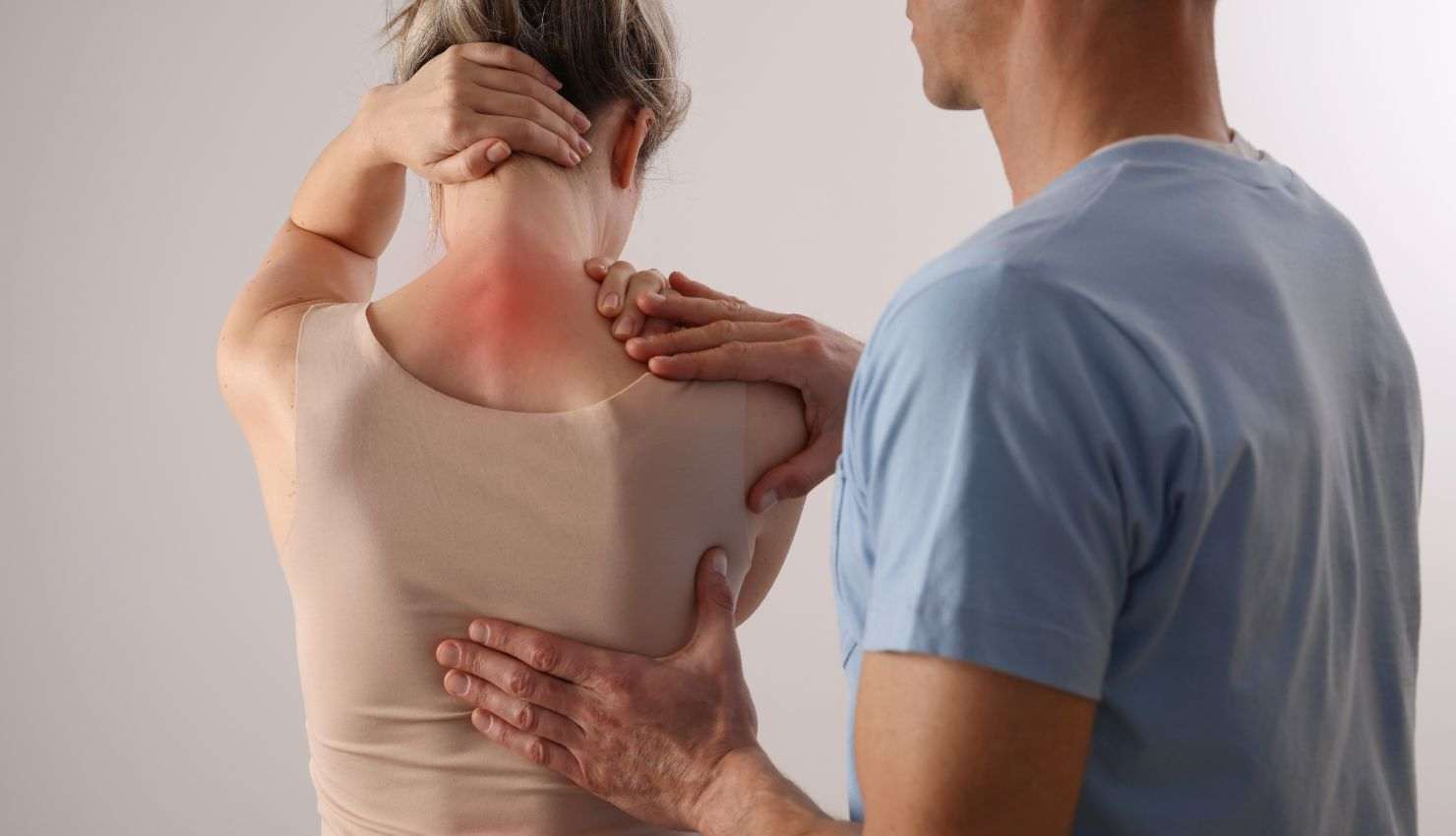
Spinal pain and tension are some of the most common complaints that bring people into physiotherapy clinics across Canadaand for good reason. Whether its from prolonged sitting, injury, or poor posture, the discomfort can seriously disrupt daily life. But heres the good news: managing spinal pain and tension effectively often comes down to one crucial factorcore rehabilitation.
At YourFormsUX.com, we focus on how core rehabilitation not only eases spinal pain but also addresses its root causes. Understanding this connection is the first step toward long-term relief and a healthier spine.
What Is Core Rehabilitation?
Core rehabilitation refers to a specialized set of exercises and therapies aimed at strengthening and stabilizing the muscles surrounding your spine. This includes the deep abdominal muscles, pelvic floor, diaphragm, and muscles of the lower back. Together, they act as a natural brace that supports your spine during movement and helps maintain proper posture.
When these core muscles weaken or become imbalanced, your spine takes on excess strain. This often leads to pain, muscle tension, and even nerve irritation. Core rehabilitation retrains these muscles to work together properly, reducing stress on the spine and improving overall function.
Why Core Weakness Causes Spinal Pain and Tension
Many people dont realize that spinal pain is rarely caused by the spine itself but rather by the surrounding muscles and soft tissues struggling to compensate for weakness or dysfunction. Imagine trying to hold up a heavy load with one hand versus twoyour muscles get fatigued and tense up quickly.
When your core is weak, the muscles that should stabilize your spine are underperforming. This causes other muscleslike those in your neck, shoulders, or lower backto overwork, resulting in tension and discomfort. Over time, this imbalance can cause chronic pain and limited mobility.
How Core Rehabilitation Helps Relieve Spinal Pain
Core rehabilitation addresses this problem head-on. By focusing on controlled, targeted exercises, it:
Reduces muscle tension: Strengthening deep core muscles reduces overuse and tightness in other areas.
Improves posture: A strong core supports proper spinal alignment, preventing slouching and poor ergonomics.
Enhances stability: Better core control means less unnecessary movement or strain on spinal joints and discs.
Promotes healing: Restoring balanced muscle function supports tissue repair and reduces inflammation.
Effective Core Rehabilitation Exercises for Spinal Pain
Not all core exercises are created equalespecially when managing pain. Rehabilitation programs use specific movements designed to engage the right muscles without aggravating symptoms. Here are some commonly prescribed exercises:
Transverse Abdominis Activation
This deep core muscle acts like a natural corset for your spine. Lie on your back with knees bent. Gently draw your belly button toward your spine without holding your breath or tensing your chest. Hold for 5-10 seconds and repeat. This activation trains the cores foundation.
Pelvic Floor Engagement
Your pelvic floor muscles support your lower spine and pelvis. Contract these muscles as if stopping urine flow, hold for a few seconds, then release. Combine with transverse abdominis activation for better core control.
Modified Planks
Starting on your knees, keep your back straight and engage your core. Hold this position for 15-30 seconds, gradually increasing as strength improves. This builds endurance in the front and side core muscles while minimizing strain.
Bridges
Lying on your back with knees bent, lift your hips while squeezing your glutes and core. This strengthens the posterior chain, which supports spinal alignment.
Bird-Dog
From hands and knees, extend one arm and the opposite leg, keeping your spine neutral. This exercise improves coordination and core stability critical for spinal support.
Incorporating Core Rehabilitation Into Your Recovery
Consistency and gradual progression are key when managing spinal pain with core rehab. Working with a physiotherapist ensures your program fits your unique needs, avoiding movements that could worsen pain. Regular sessions combined with at-home exercises provide the best outcomes.
At YourFormsUX.com, we stress the importance of a holistic approach that includes education about posture, ergonomic adjustments, and lifestyle changes to reduce spinal stress. Core rehabilitation is just one piece of the puzzle.
Long-Term Benefits Beyond Pain Relief
Core rehabilitation isnt just about easing immediate painit builds a stronger foundation that helps prevent future injuries. Improved core stability supports better movement patterns, reduces muscle fatigue, and enhances athletic performance.
For seniors or those with chronic conditions, core rehab can maintain independence by preserving spinal function and mobility. For active adults, it enables safer participation in sports and physical activities without fear of back pain flare-ups.
Why YourFormsUX.com Advocates Core Rehabilitation
YourFormsUX.com is committed to providing practical solutions for spinal health that Canadians can implement daily. Core rehabilitation is a proven, effective method that empowers individuals to take control of their pain and prevent recurrence.
Whether youre recovering from an injury, managing chronic back tension, or simply want to build resilience in your spine, integrating core rehabilitation exercises into your routine is a smart choice. Remember, a healthy spine starts from the inside out!
Final Thoughts
Managing spinal pain and tension through core rehabilitation is more than just exerciseits a transformative approach that rebuilds your bodys natural support system. By focusing on the core, you reduce pain, restore function, and enhance your quality of life.
Start small, stay consistent, and consider professional guidance to tailor your program. With dedication, you can say goodbye to spinal discomfort and hello to a stronger, more flexible back.
If you want to explore more ways to improve spinal health and core strength, YourFormsUX.com is here to guide you every step of the way.