If youve ever pushed your body a little too hard on the field, at the gym, or during a weekend game of tennis, you know the frustration of sports injuries. They dont just hurt they can sideline your goals, limit your mobility, and put your passion on pause.

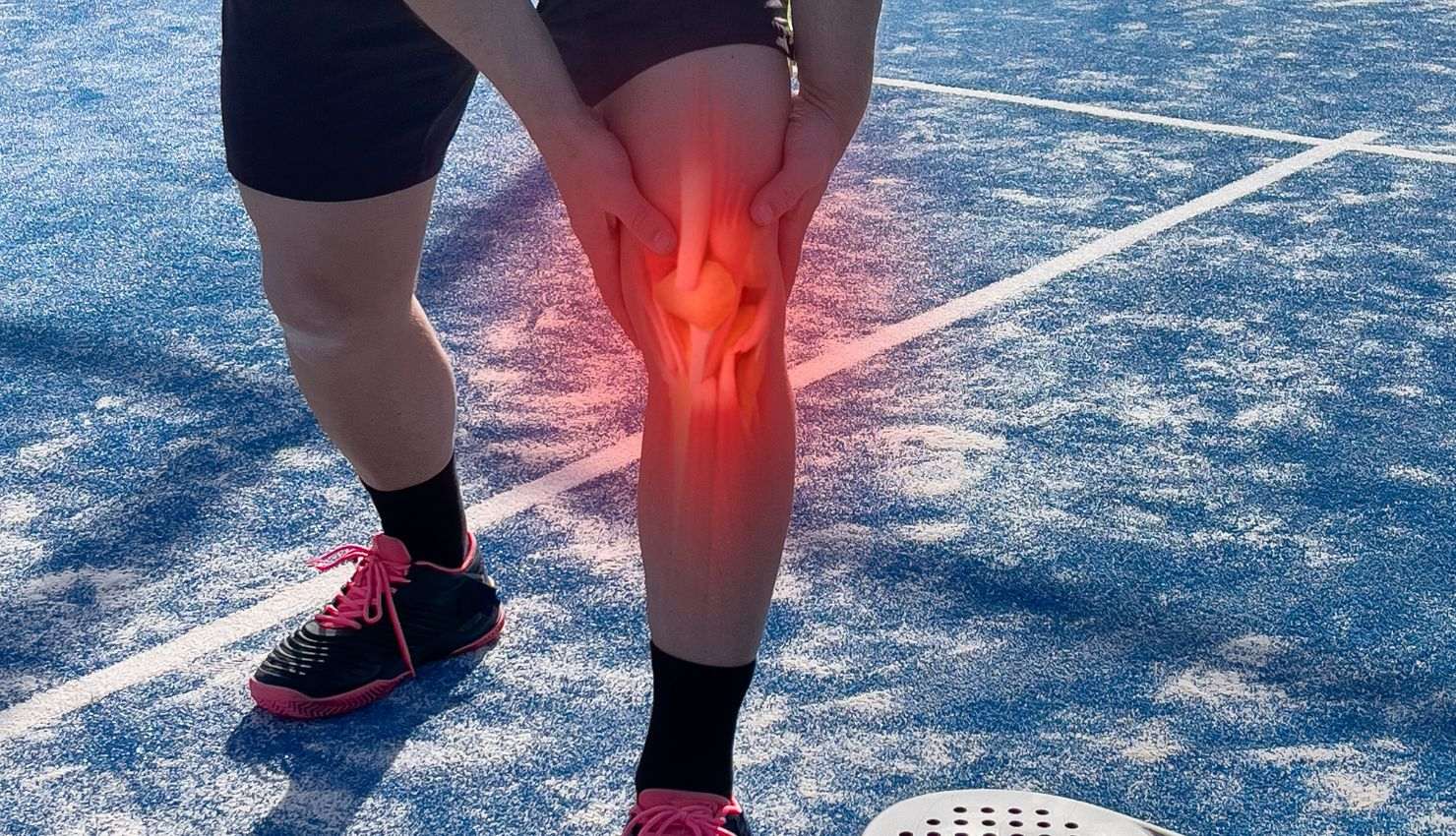
If youve ever pushed your body a little too hard on the field, at the gym, or during a weekend game of tennis, you know the frustration of sports injuries. They dont just hurt they can sideline your goals, limit your mobility, and put your passion on pause.
The good news? You dont have to sit on the bench forever. Physiotherapy plays a key role in not only managing sports-related pain but also helping you heal, rebuild, and get back to your sport stronger than ever.
?????? What Causes Sports Injuries?
Sports injuries can happen to beginners, weekend warriors, and elite athletes alike. Common causes include:
Overuse or repetitive strain
Poor technique or biomechanics
Lack of proper warm-up or cool-down
Sudden impact or trauma (like a fall or collision)
Muscle imbalances or tightness
From sprained ankles and pulled hamstrings to rotator cuff tears and knee pain the list is long, but the goal is always the same: restore function, reduce pain, and prevent re-injury.
?? How Physiotherapy Helps You Recover from Sports Injuries
1?? Accurate Assessment & Diagnosis
Every injury is different. Your physiotherapist will start by assessing:
Where and how the pain started
Your joint and muscle function
Biomechanics and movement patterns
Muscle imbalances or weak spots
This personalized approach is what makes physiotherapy so effective it targets the root of the problem, not just the symptoms.
2?? Pain Management Techniques
In the early stages of injury, reducing pain and inflammation is a top priority. Your physio may use:
Ice or heat therapy
Ultrasound
TENS (electrical stimulation)
Manual therapy (like massage or joint mobilization)
These treatments help soothe irritated tissues, improve circulation, and get you moving again pain-free.
3?? Mobility & Flexibility Training
Injuries often lead to stiffness or restricted range of motion. Stretching and mobility exercises help:
Loosen tight muscles
Improve joint flexibility
Restore smooth, pain-free movement
This stage is all about regaining control and comfort in how your body moves.
4?? Targeted Strengthening Exercises
Rehab isnt just about healing its about coming back stronger. Your physiotherapist will guide you through progressive exercises that:
Rebuild muscle strength
Stabilize joints
Correct imbalances
Improve overall performance
From resistance bands to bodyweight exercises to sport-specific drills, every movement is chosen with purpose.
5?? Rehabilitation Back to Sport (Return-to-Play Programming)
Getting back to your sport safely is the ultimate goal. Your physio will gradually reintroduce sport-specific movements, such as:
Cutting, pivoting, or sprinting (for field sports)
Overhead movements (for swimmers or tennis players)
Impact drills (for runners or jumpers)
This stage ensures you’re physically and mentally ready to return without risking re-injury.
6?? Injury Prevention Education
Physiotherapy doesnt end when the pain goes away. Youll also learn:
Proper warm-up and cooldown routines
How to improve your form and biomechanics
Recovery strategies to avoid overtraining
Stretching and mobility techniques to stay loose
Prevention is key to staying in the game long-term.
?? Common Sports Injuries Treated with Physiotherapy
Sprains and strains
Tendonitis (e.g., Achilles, patellar, or rotator cuff)
ACL and meniscus injuries
Shin splints
Tennis/golfers elbow
Plantar fasciitis
Lower back pain
Shoulder instability or dislocation
No matter your sport or fitness level, physiotherapy can help you heal smarter and perform better.
In a Nutshell
Sports injuries may slow you down but they dont have to stop you. Physiotherapy offers a proven path to recovery that combines pain relief, hands-on care, and customized rehab to get you back to doing what you love.
So whether you’re a weekend warrior or a pro athlete, dont play through the pain. Team up with a physiotherapist and bounce back better, faster, and stronger.