Sports injuries are common among athletes and active individuals due to the physical demands of training, competition, and high-impact activities. Whether youre dealing with sprains, strains, ligament injuries, fractures, or overuse injuries, physiotherapy is a crucial part of the recovery process.

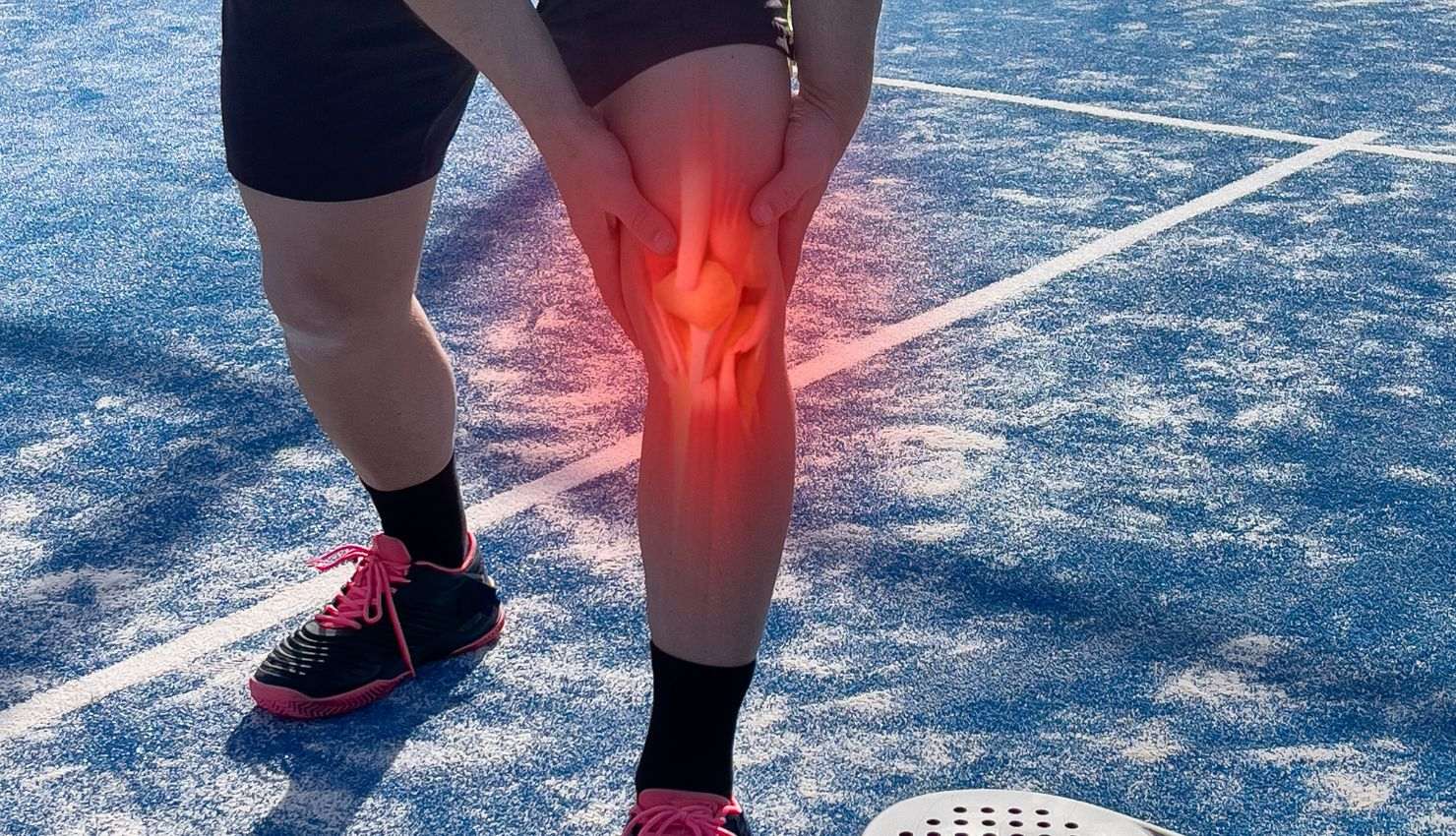
Sports injuries are common among athletes and active individuals due to the physical demands of training, competition, and high-impact activities. Whether youre dealing with sprains, strains, ligament injuries, fractures, or overuse injuries, physiotherapy is a crucial part of the recovery process. It helps not only with pain relief but also with healing, rehabilitation, and preventing future injuries.
Physiotherapists use a variety of treatments and techniques to address the underlying causes of sports injuries, reduce pain, restore function, and help athletes return to their sport or activity as safely and quickly as possible. Heres how physiotherapy helps in managing sports injuries for pain relief:
### **1. Comprehensive Assessment and Diagnosis**
The first step in managing a sports injury is a thorough assessment. Physiotherapists will evaluate the injury’s cause, its impact on your body, and how it affects your ability to perform certain movements.
#### **What Happens During the Assessment:**
* **Medical History**: The physiotherapist will ask about the injury, including how it occurred, symptoms, duration, and any past injuries.
* **Physical Examination**: The physiotherapist will perform a detailed examination, checking for signs of swelling, bruising, tenderness, and range of motion (ROM) limitations. They will assess muscle strength, joint stability, and posture.
* **Movement Analysis**: The physiotherapist may observe how you move during functional tasks, such as running, jumping, or lifting. This helps identify the root cause of the injury, whether its caused by muscle imbalances, improper technique, or overuse.
Once the assessment is complete, a physiotherapist will develop a personalized treatment plan to address the pain, restore mobility, and help with rehabilitation.
—
### **2. Pain Management Techniques**
Managing pain and inflammation is a crucial part of the recovery process. Physiotherapists use a range of modalities to reduce discomfort and inflammation, especially during the acute stage of an injury.
#### **How Physiotherapists Manage Pain:**
* **Cold Therapy (Cryotherapy)**: Ice or cold packs are applied to the injured area to reduce inflammation and numb the pain. Cryotherapy is most effective in the first 48 hours following an injury, especially for conditions like sprains and strains.
* **Heat Therapy**: Heat is used after the acute stage has passed to relax muscles, increase blood flow, and reduce stiffness. Heat is effective for muscle injuries or chronic pain conditions.
* **TENS (Transcutaneous Electrical Nerve Stimulation)**: TENS units deliver mild electrical pulses to the skin to block pain signals and stimulate the bodys natural painkillers (endorphins). Its a non-invasive way to manage pain without medication.
* **Ultrasound Therapy**: Therapeutic ultrasound uses sound waves to promote healing in deep tissues, reduce inflammation, and alleviate muscle soreness and stiffness, which helps to speed up recovery from sports injuries.
These modalities provide targeted pain relief, allowing you to engage in rehabilitation exercises and other recovery strategies more comfortably.
—
### **3. Manual Therapy**
Manual therapy involves hands-on techniques to manipulate muscles, joints, and soft tissues. These techniques are effective in improving joint mobility, reducing muscle tension, and relieving pain associated with sports injuries.
#### **How Physiotherapists Use Manual Therapy:**
* **Soft Tissue Mobilization**: Physiotherapists use massage and myofascial release techniques to break up scar tissue, release muscle knots (trigger points), and reduce tightness in muscles and fascia. This promotes relaxation and reduces pain.
* **Joint Mobilization**: When sports injuries lead to restricted joint movement, physiotherapists use gentle joint mobilizations to improve range of motion (ROM), reduce stiffness, and alleviate discomfort in joints like the knee, shoulder, or ankle.
* **Stretching**: Physiotherapists incorporate stretching techniques to target tight muscles and improve flexibility. For example, after a hamstring strain, stretching exercises are prescribed to restore muscle length and prevent further injury.
Manual therapy helps address the root causes of pain, improve mobility, and promote healing in the muscles, joints, and soft tissues affected by the injury.
—
### **4. Strengthening Exercises**
Weak muscles surrounding the injured area can contribute to pain and dysfunction, making rehabilitation more challenging. Strengthening exercises are essential to rebuild muscle strength, restore joint stability, and prevent re-injury.
#### **How Strengthening Exercises Help with Sports Injury Pain:**
* **Targeted Muscle Strengthening**: Physiotherapists design exercises to specifically target weak muscles or muscle imbalances that contributed to the injury. For example, strengthening the quadriceps can help relieve knee pain and prevent further damage to the knee joint.
* **Progressive Resistance Training**: Strengthening exercises are gradually progressed from low resistance to more intense resistance as the injury heals. This ensures that the muscles around the injury are rebuilt without overloading the damaged tissues.
* **Core Strengthening**: A strong core plays a critical role in reducing the risk of injury in various sports. Core strengthening exercises, such as planks and bridges, help stabilize the spine, pelvis, and lower extremities, reducing strain on the injured areas and preventing future injuries.
Strengthening muscles around the injured area helps provide stability, reduce pain, and protect the joint from further strain or injury.
—
### **5. Stretching and Flexibility Training**
Injuries can lead to muscle tightness, stiffness, and decreased flexibility, which can increase pain and reduce mobility. Stretching exercises are a key component of rehabilitation, as they help restore flexibility, improve range of motion (ROM), and reduce discomfort.
#### **How Stretching Helps with Sports Injury Pain:**
* **Targeted Stretching**: Physiotherapists prescribe specific stretches that target the muscles around the injured area to reduce tightness and improve flexibility. For example, if you have a calf strain, stretching the calf muscles will help release tension and improve ROM.
* **Dynamic Stretching**: As the healing progresses, dynamic stretching (controlled movement stretches) is used to improve ROM and prepare the muscles for the demands of sports activity.
* **Prevention of Scar Tissue Formation**: Stretching can prevent the buildup of scar tissue that can limit movement and cause ongoing pain after an injury.
Stretching exercises help maintain muscle length, reduce stiffness, and restore mobility, which alleviates pain and prevents future injury.
—
### **6. Postural and Movement Correction**
Improper movement patterns and poor posture can contribute to or exacerbate sports injuries. Physiotherapists assess your posture and movement mechanics to identify any dysfunctional patterns that may be causing or worsening your pain.
#### **How Physiotherapists Address Posture and Movement:**
* **Gait Analysis**: Physiotherapists observe how you walk, run, or perform sports-specific movements to detect any abnormal patterns, such as overpronation or compensatory movements, that may contribute to the injury. They will suggest corrective exercises to improve movement mechanics.
* **Postural Correction**: For individuals with poor posture that places extra strain on the back, shoulders, or joints, physiotherapists provide education and exercises to improve posture. Proper posture reduces unnecessary strain on muscles and joints, which reduces pain.
* **Biomechanical Analysis**: Physiotherapists assess your movements during exercises or sports to identify any issues with technique. They may suggest modifications to your form to reduce the risk of future injuries and alleviate pain.
By correcting posture and movement mechanics, physiotherapists help reduce strain on the injured area and prevent future pain or injury.
—
### **7. Activity Modification and Ergonomics**
During the recovery phase, its important to modify certain activities and avoid movements that could aggravate the injury. Physiotherapists provide guidance on how to adjust training routines, activities, and lifestyle to reduce strain on the injured area while still maintaining physical fitness.
#### **How Physiotherapists Help with Activity Modification:**
* **Rest and Load Management**: Physiotherapists educate athletes on when to rest and how to manage training loads to prevent overuse of the injured area. This includes gradually increasing intensity and incorporating rest periods to allow tissues to heal properly.
* **Cross-Training**: To maintain fitness during recovery, physiotherapists may recommend alternative low-impact exercises (e.g., swimming or cycling) that dont strain the injured area.
* **Ergonomic Adjustments**: For individuals with work-related injuries (e.g., sitting for long periods or repetitive tasks), physiotherapists provide ergonomic advice to improve posture and reduce strain on the affected area.
Activity modification helps prevent further injury, allows for proper healing, and keeps you active while you recover.
—
### **8. Education and Long-Term Injury Prevention**
Preventing future injuries is a key aspect of physiotherapy, especially for athletes who are returning to sport after an injury. Physiotherapists educate individuals on how to reduce the risk of re-injury and maintain a healthy body.
#### **Self-Care and Prevention Strategies:**
* **Home Exercise Program**: Physiotherapists provide a customized home exercise program that includes stretching, strengthening, and mobility exercises to continue rehabilitation and prevent future injuries.
* **Warm-Up and Cool-Down**: Proper warm-up and cool-down routines are essential for preparing the body for physical activity and reducing the risk of injury. Physiotherapists teach you how to incorporate these routines into your exercise program.
* **Lifestyle Modifications**: Physiotherapists recommend lifestyle changes, such as healthy nutrition, proper hydration, and rest, to optimize recovery and reduce the risk of re-injury.
By educating athletes on injury prevention and proper self-care, physiotherapy promotes long-term recovery and reduces the likelihood of future injuries.
—
### **Conclusion**
Physiotherapy is a highly effective treatment for managing pain and recovering from sports injuries. Through a combination of pain relief techniques, manual therapy, strengthening exercises, stretching, movement correction, and education, physiotherapists help athletes and active individuals heal, regain mobility, and return to their sport with reduced pain and improved function. Whether youre recovering from a recent injury or trying to prevent future issues, consulting a physiotherapist can provide the guidance and support you need to stay healthy, active, and injury-free.