Massage Therapy brings new meaning to proactive care. Discover fresh strategies that promote movement and strength.

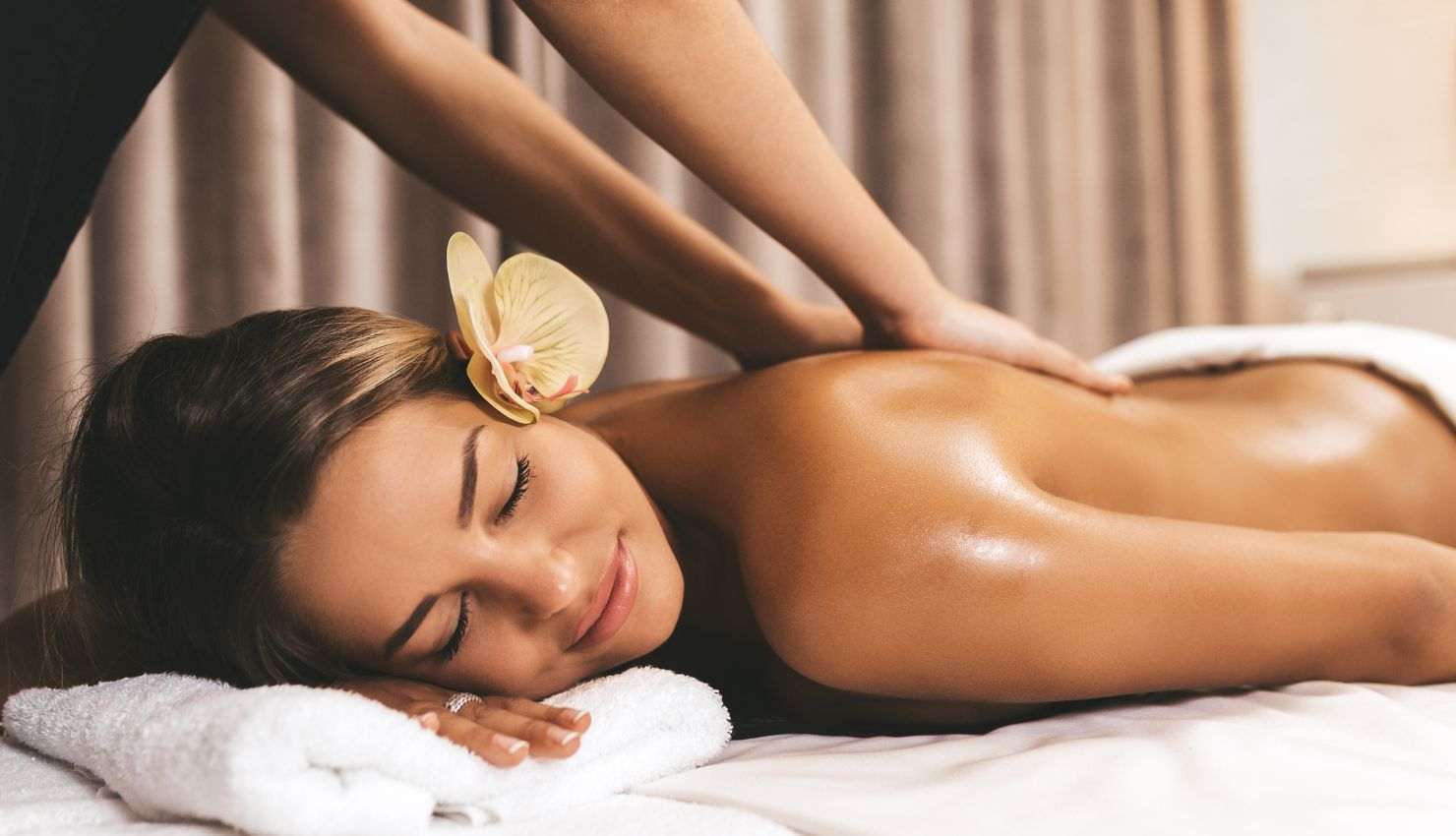
Muscle spasmsthose sudden, involuntary contractions of musclescan be painful, frustrating, and sometimes even debilitating. Whether triggered by injury, overuse, dehydration, or underlying health conditions, muscle spasms disrupt daily activities and diminish quality of life. For many Canadians looking for effective, natural ways to manage and reduce muscle spasms, massage therapy has become an increasingly popular and scientifically supported option.
Lets delve into how massage therapy plays a crucial role in easing muscle spasms, promoting recovery, and restoring comfort.
What Causes Muscle Spasms?
Muscle spasms, also called cramps, happen when a muscle involuntarily tightens and cant relax. Common causes include:
Muscle fatigue or overuse
Dehydration and electrolyte imbalances
Poor circulation
Nerve compression or irritation
Muscle injuries or trauma
Stress and anxiety
Spasms may last seconds or minutes and can range from mild discomfort to intense pain that restricts movement.
How Massage Therapy Helps Reduce Muscle Spasms
Massage therapy addresses muscle spasms through multiple mechanisms:
1. Muscle Relaxation
Massage physically stretches and kneads the affected muscles, encouraging them to release tension and contract less frequently. By relaxing the muscle fibers, massage helps stop spasms and prevent them from recurring.
2. Improved Blood Flow
Enhanced circulation from massage delivers fresh oxygen and nutrients to muscle tissues while flushing out metabolic waste products like lactic acid, which can contribute to cramping and stiffness. Better blood flow aids muscle recovery and reduces the likelihood of spasms.
3. Nervous System Regulation
Muscle spasms are often related to overactive nerve signals causing unwanted contractions. Massage therapy stimulates the parasympathetic nervous system (the bodys relaxation response), helping calm nerve activity and reduce involuntary muscle firing.
4. Breaking the Pain-Spasm Cycle
Pain and spasms often feed off each otherpain causes more spasms, and spasms cause more pain. Massage interrupts this cycle by reducing muscle tightness and soothing nerves, providing relief and promoting healing.
5. Correction of Muscle Imbalances
Imbalances where some muscles are overworked and others are weak can increase spasm risk. Massage helps restore muscular balance by releasing tight areas and improving overall muscle function.
Types of Massage Effective for Muscle Spasms
Deep Tissue Massage: Targets deep muscle layers to release chronic tension and adhesions.
Swedish Massage: Provides gentle, rhythmic strokes to relax muscles and increase circulation.
Trigger Point Therapy: Focuses on specific tight spots that cause referred spasms and pain.
Myofascial Release: Loosens tight connective tissue surrounding muscles.
Sports Massage: Combines techniques aimed at muscle recovery and injury prevention.
When to Seek Massage Therapy for Muscle Spasms
If you experience frequent spasms that interfere with your daily activities, cause persistent pain, or dont improve with rest and hydration, massage therapy may be beneficial. Its especially helpful if spasms are linked to:
Physical activity or sports injuries
Poor posture or repetitive strain
Stress and anxiety-induced muscle tension
Chronic conditions like fibromyalgia or multiple sclerosis
Always consult with a healthcare provider to rule out serious underlying causes before starting massage therapy.
How to Maximize Benefits of Massage for Muscle Spasms
Schedule regular massage sessions to maintain muscle health and prevent spasms.
Stay hydrated and maintain electrolyte balance through proper nutrition.
Combine massage with stretching and strengthening exercises recommended by your therapist or physiotherapist.
Communicate openly with your massage therapist about areas prone to spasms and your pain levels.
Maintain an active lifestyle with proper warm-up and cool-down routines if you exercise.
The Value of Licensed Massage Therapists in Canada
Licensed massage therapists in Canada undergo rigorous training in anatomy, physiology, and therapeutic techniques, ensuring safe and effective treatment tailored to your specific needs. They can work in collaboration with your healthcare team to provide comprehensive care.
Final Thoughts: Massage Therapy as a Natural Muscle Spasm Remedy
Muscle spasms can disrupt your life, but they dont have to define it. Massage therapy offers a proven, natural approach to reducing spasms, relieving pain, and restoring muscle function. By promoting relaxation, enhancing circulation, and calming nerve signals, massage therapy helps break the painful cycle of spasms and supports your journey toward comfort and mobility.
If youre seeking a holistic way to manage muscle spasms, massage therapy is a powerful tool worth considering as part of your wellness routine.