Maximizing Dance Performance with the Help of Physiotherapy explores targeted strategies for recovery. Discover new paths to mobility, healing, and personalized care.

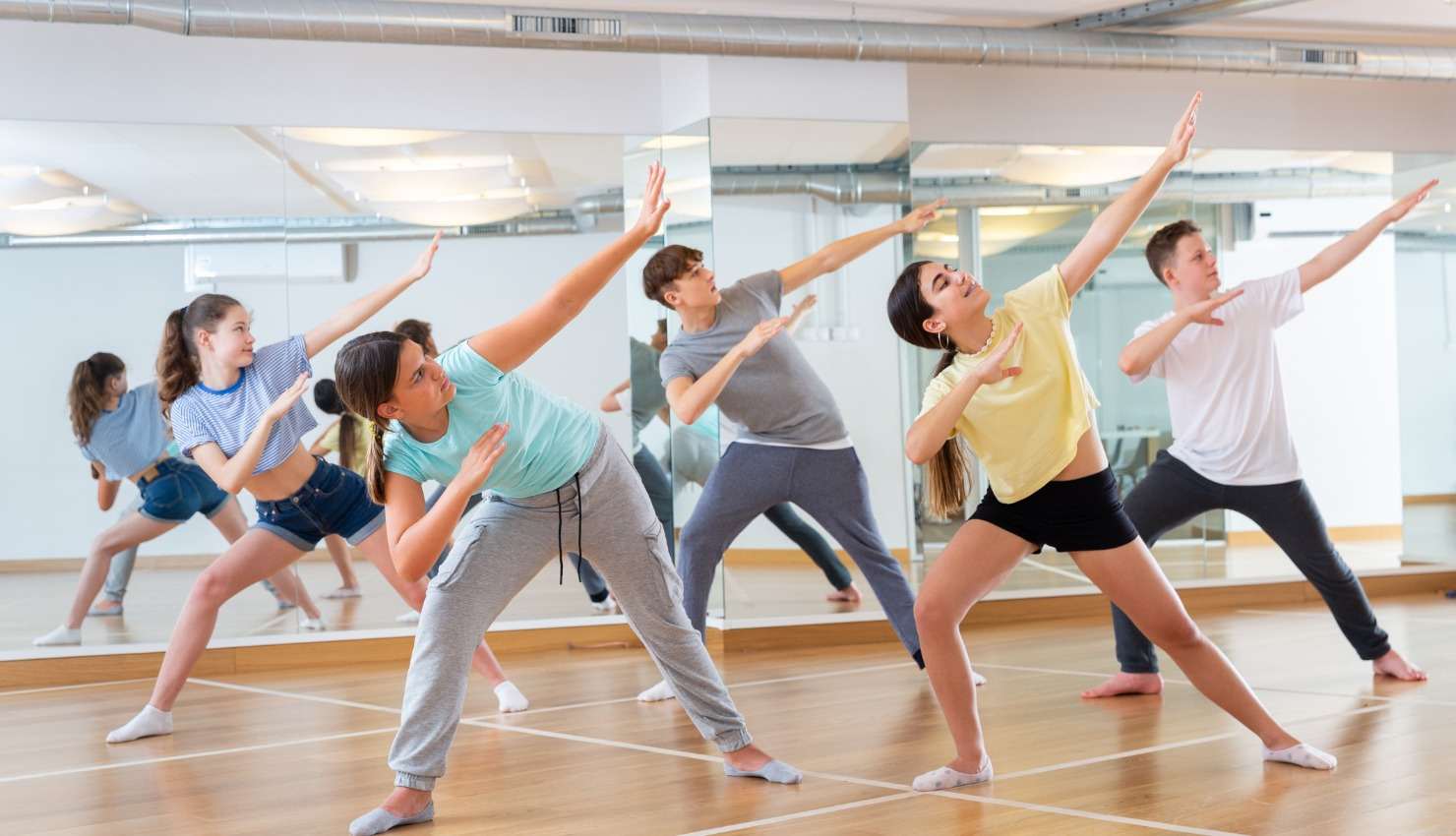
Dancers often struggle with:
Limited mobility or joint stiffness
Muscle weakness or imbalance
Poor core control or posture
Chronic pain or fatigue
Reduced explosiveness or stability in jumps and turns
These factors subtly impact performanceeven before pain is present. Physiotherapy works to identify and address them proactively.
?? How Physiotherapy Maximizes Dance Performance
1. Enhancing Functional Strength
Physiotherapists focus on building strength that supports actual dance movementsnot just general fitness.
They help dancers:
Target weak stabilizing muscles (glutes, deep hip rotators, lower core)
Improve jump height, control, and landing mechanics
Strengthen muscles that support turnout, balances, and extensions
?? Stronger muscles mean more power, control, and safer movement execution.
2. Improving Flexibility Without Overstretching
While flexibility is essential, over-stretching or stretching incorrectly can cause instability.
Physios teach:
Active flexibility: moving through range with control
Joint-specific mobility drills for hips, spine, shoulders
Safe stretching habits that enhance motion without sacrificing strength
?? Mobility with control enhances grace and reduces injury risk.
3. Increasing Core Stability and Balance
The core is the dancers center of control for everything from pirouettes to pointe work.
Physiotherapists design programs that:
Activate deep core muscles (transversus abdominis, multifidus)
Improve dynamic balance through proprioceptive training
Integrate breath and posture control to support movement fluidity
?? Better balance leads to better performance precision.
4. Enhancing Movement Efficiency
Inefficient movement wastes energy and leads to fatigue. Physiotherapy enhances efficiency by:
Analyzing dance-specific biomechanics
Correcting poor movement patterns
Coaching posture, alignment, and coordination
?? More efficient movement = more endurance and expression on stage.
5. Managing and Preventing Fatigue
Dancers are often in rehearsal or performance for hours. Physiotherapists help with:
Recovery strategies (manual therapy, myofascial release, active rest)
Load management and training schedules
Techniques for reducing overuse and muscular burnout
?? Faster recovery = more consistent performances.
6. Supporting Mental and Physical Confidence
Injury fears or body discomfort can affect performance. Regular physiotherapy:
Reassures dancers about their physical readiness
Reduces anxiety around movement or pain
Builds confidence through body awareness and functional feedback
?? A confident body supports a confident performance.
?? Real-Life Benefits: What Dancers Gain
Area With Physiotherapy
Jump height Improved power and safe landings
Turnout Greater hip mobility and stability
Balance Stronger core and foot control
Pliés and extensions Deeper range and muscular control
Injury rate Lower due to prevention strategies
Recovery Faster between rehearsals and shows
?? Customization Is Key
A dancer’s physiotherapy plan is based on:
Dance style (ballet, contemporary, acro, hip-hop)
Performance goals (e.g., auditions, competitions, shows)
Injury history and body mechanics
This individualized approach ensures that every session helps the dancer perform at their bestsafely and sustainably.