Movement-Based Therapy for Managing Anxiety and Depression brings new meaning to proactive care. Tap into fresh strategies that promote movement and strength.

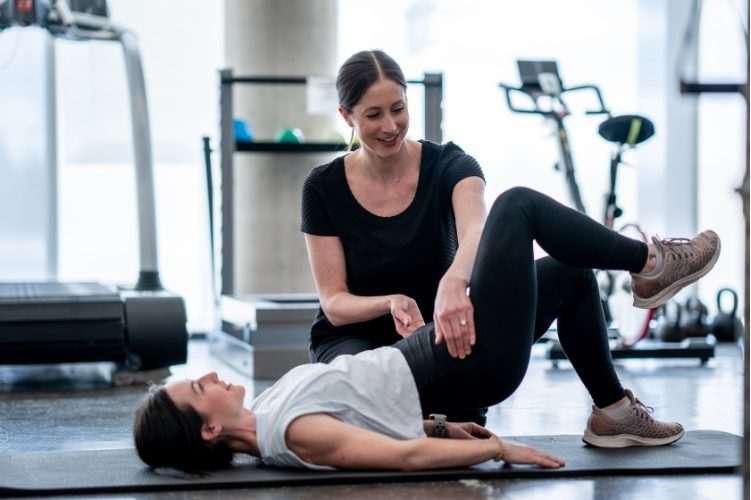
Anxiety and depression are two of the most common mental health disorders affecting millions worldwide. While conventional treatments such as counseling and medication are vital, complementary therapies like movement-based physiotherapy have shown promising results in managing these conditions effectively. Movement-based therapy uses physical activity and targeted exercises to reduce symptoms, improve emotional balance, and promote overall mental wellness.
Why Movement Matters in Anxiety and Depression
Both anxiety and depression profoundly impact brain chemistry and physical health. Reduced physical activity often exacerbates these conditions, leading to a vicious cycle of inactivity, fatigue, and worsening mood. Movement stimulates the release of neurotransmitters such as serotonin, dopamine, and endorphins, which help regulate mood and reduce feelings of anxiety.
Physiotherapy offers structured, guided movement that safely encourages engagement, even for individuals struggling with motivation or physical limitations often associated with anxiety and depression.
What is Movement-Based Therapy?
Movement-based therapy is a form of physiotherapy that focuses on specific physical exercises designed to improve mental health symptoms. This therapy encompasses a variety of techniques, including aerobic exercises, strength training, stretching, and breathing exercises, all tailored to individual needs.
The therapy not only targets physical fitness but also incorporates mindfulness and breath awareness to address the physiological manifestations of anxiety and depression, such as muscle tension, shallow breathing, and restlessness.
How Movement-Based Therapy Helps Manage Anxiety
Movement-based therapy assists in anxiety management by:
Regulating the Nervous System: Slow, controlled movements combined with breathing exercises activate the parasympathetic nervous system, calming the “fight or flight” response responsible for anxiety symptoms.
Reducing Muscle Tension: Targeted stretches and relaxation exercises relieve tight muscles, a common physical symptom of anxiety.
Improving Sleep Quality: Regular movement helps regulate circadian rhythms, reducing insomnia frequently associated with anxiety.
Enhancing Focus and Mindfulness: Movement encourages present-moment awareness, reducing rumination and worry.
How Movement-Based Therapy Aids Depression
For depression, movement-based therapy provides:
Increased Energy Levels: Gradual aerobic exercise combats fatigue and lethargy by improving cardiovascular health and oxygen flow to the brain.
Boosted Mood: Physical activity stimulates endorphin release, often called the natural antidepressant, helping lift mood.
Improved Self-Esteem: Achieving movement milestones fosters confidence and a sense of accomplishment.
Social Interaction: Group physiotherapy sessions or movement classes offer social engagement, which is critical in overcoming depressions isolating effects.
Personalized Movement Plans
A physiotherapist will assess your physical and mental health to create a personalized plan that balances intensity with your current ability. This tailored approach ensures that the therapy is manageable and effective, reducing the risk of burnout or injury.
The plan may include low-impact activities like walking, yoga-inspired stretches, breathing exercises, and progressive strength trainingall aimed at improving both body and mind.
Long-Term Benefits
Integrating movement-based therapy into your lifestyle offers sustained benefits beyond immediate symptom relief:
Enhanced resilience against future anxiety or depressive episodes
Better coping mechanisms for stress
Overall improved quality of life and wellbeing
Combining Movement Therapy with Other Treatments
Movement-based therapy complements psychotherapy, medication, and lifestyle changes. It addresses the physical components of anxiety and depression that traditional treatments may overlook, providing a holistic healing approach.
Getting Started
If anxiety or depression affects your life, consult a physiotherapist experienced in movement-based therapy. Through personalized assessments and guided exercises, you can begin a journey toward improved mental health and emotional balance.