Movement for Better Mental Health brings new meaning to proactive care. Tap into fresh strategies that promote movement and strength.

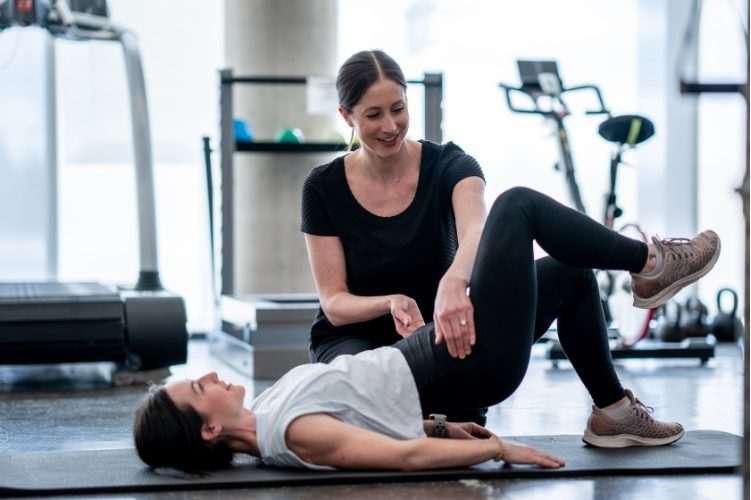
Mental health challenges can feel isolating and difficult to manage, but movement offers a powerful, natural way to support emotional well-being. Physiotherapy enhances this process by providing expert guidance on safe and effective movement practices tailored to your unique needs. This comprehensive guide explores how movement and physiotherapy combine to improve mental health.
Understanding the Link Between Movement and Mental Health
Movement positively affects brain chemistry by releasing serotonin, dopamine, and endorphinskey neurotransmitters that regulate mood and reduce stress. Additionally, physical activity helps regulate the hypothalamic-pituitary-adrenal (HPA) axis, which controls the stress response, leading to better emotional stability.
How Physiotherapy Enhances Movement for Mental Health
Physiotherapists assess your physical condition to design customized movement programs that:
Address muscle tension and postural imbalances that contribute to stress
Improve breathing patterns for nervous system regulation
Introduce mindful movement techniques to enhance body awareness
Incorporate progressive strength and flexibility exercises to build resilience
This personalized approach helps maximize mental health benefits while preventing injury or strain.
Key Movement Practices for Mental Health
Gentle Stretching and Mobility Work
Helps release physical tension and promotes relaxation.
Breathing Exercises
Activates the parasympathetic nervous system to reduce anxiety.
Low-Impact Aerobic Activities
Like walking or swimming, boost mood and energy levels.
Mindful Movement
Yoga or tai chi fosters mind-body connection and emotional balance.
Strengthening Exercises
Build physical resilience, supporting mental endurance.
Creating a Routine with Physiotherapy Support
Initial Assessment: Identify your physical and mental health status.
Goal Setting: Define clear, achievable objectives related to mental wellness.
Program Design: Develop a movement plan integrating physiotherapy techniques.
Regular Sessions: Maintain consistency through scheduled physiotherapy and independent practice.
Progress Review: Adjust the plan based on improvements and challenges.
Benefits of Movement-Focused Physiotherapy for Mental Health
Reduced symptoms of anxiety and depression
Enhanced sleep quality and energy levels
Improved stress management and emotional regulation
Greater self-awareness and confidence
Prevention of physical issues that may worsen mental health
Why Choose YourFormSux?
YourFormSux offers specialized physiotherapy services dedicated to integrating movement for mental health improvement. Our compassionate therapists guide you through every step, ensuring your routine is safe, enjoyable, and effective.
Conclusion
Movement is a cornerstone of mental health, and physiotherapy elevates its impact by providing personalized, expert guidance. With the right support, you can harness the healing power of movement to overcome mental health challenges and foster lasting well-being.